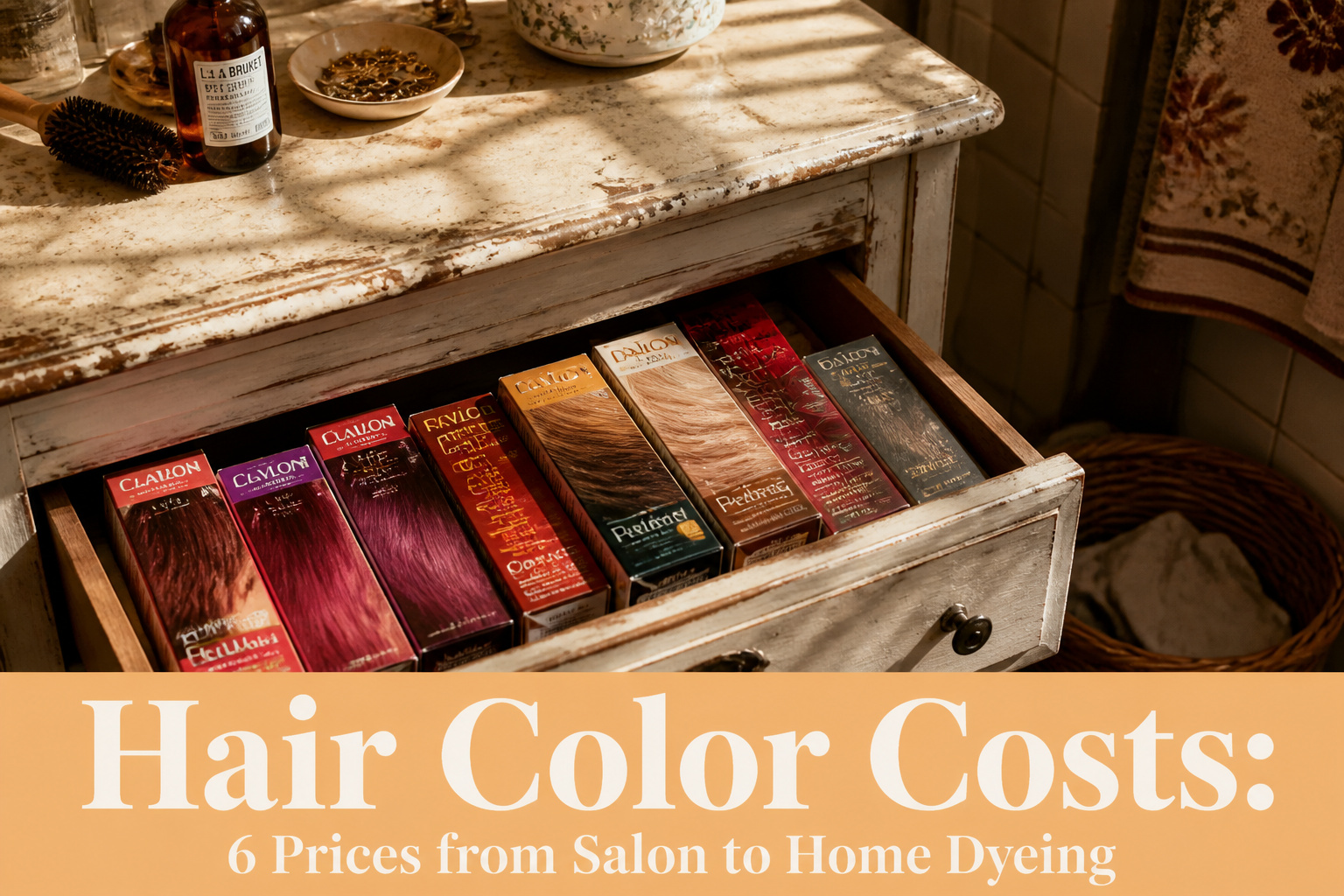
A single-process color at a salon runs $75 to $100 and up, but the final bill depends almost entirely on what you’re asking the stylist to do. Hand-painted balayage or highlights push that to $100–$250, and a botched $12 box dye can turn into a $400 color-correction appointment six weeks later.
Salon Hair Dyeing Costs
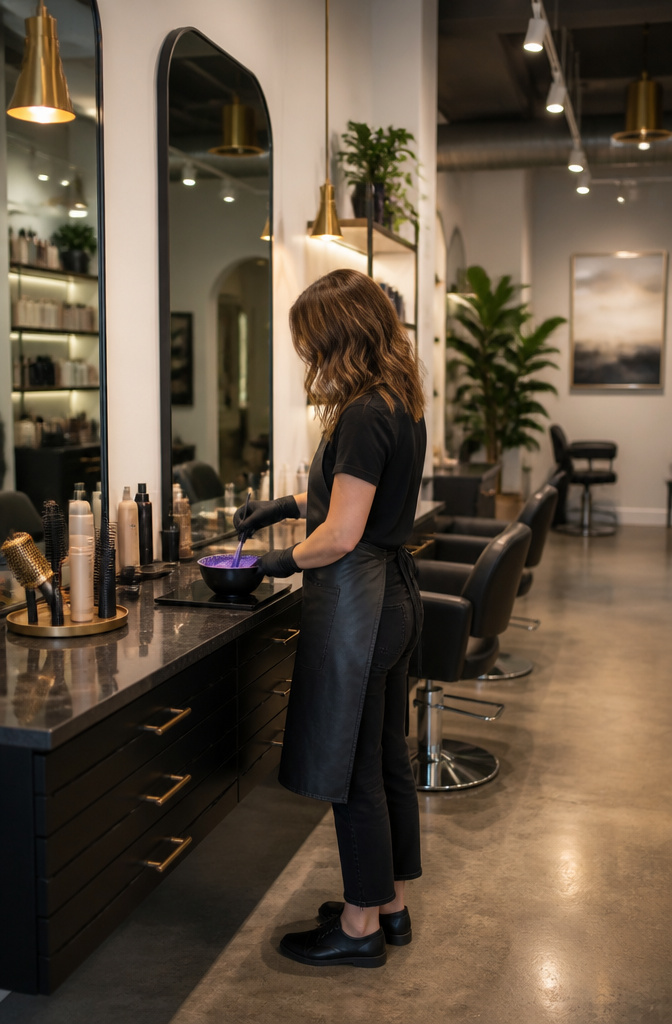
A single-process color, the most straightforward all-over dye job, runs $75 to $100 and up at most salons. That is the entry point. From there, the needle moves.
The salon’s location shifts the baseline first. A storefront in a mid-size city charges differently than a chair in Manhattan or a suite in Dallas, even when the product costs the stylist roughly the same.
Technique pushes the price harder. A balayage or highlights sit at $100 to $250, because the stylist is painting freehand, checking progression, and timing multiple lifts. The longer your hair, the more product and the more hours, and salons bill for both.
Stylist experience is the last lever. A junior colorist may handle your single process for the lower end of the range. A color director with competition wins or years of corrective work behind them commands the top, and in some cities that top starts above $200 before add-ons. What sits at the low end is not lesser skill so much as simpler math: one formula, one application, one bowl of color, on hair that arrives near its target shade already.
At-Home Hair Dyeing Costs
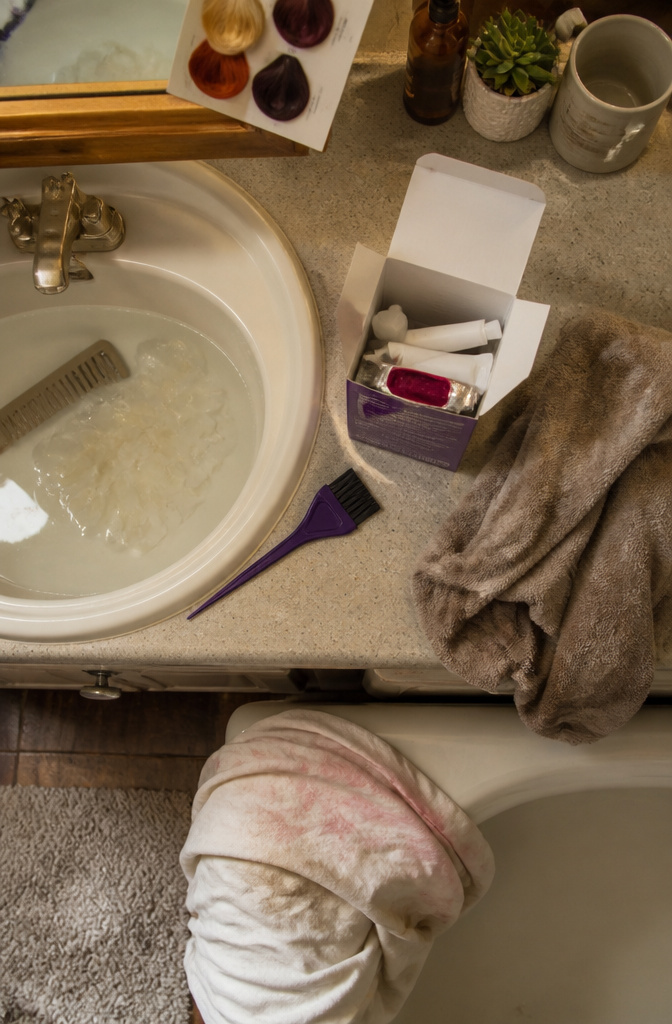
At-home hair dyeing sits somewhere between $5 and $30 for the kit itself, which sounds like a single expense until you notice what the box actually includes. Gloves and the dye products ship inside, but the clips, comb, and towel you use to section and protect are coming from your own drawer, or they are not. The old shirt and non-metal comb matter more than people admit; a stained bathroom rug or a favorite tee gone splotchy is a cost you do not count at checkout.
The real hidden expense is the color-correction appointment six weeks later. Boxed dye disasters are common enough that salons build whole service menus around fixing what the kitchen sink started. A $12 kit that turns brassy or bands unevenly can leave you paying professional rates to strip and rebuild color you hoped to save on. The math only works if the results land close enough to skip that rescue trip entirely.
Specific Color Costs

Blonde on naturally dark hair lands around $200 because the colorist has to lift all existing pigment out first. That bleaching stage is where the time and damage risk sit, which is why most professionals will flat-out discourage trying this one at home. Black hair color starts closer to $100, a simpler deposit process that skips the lightening step entirely.
Blue runs $200–$400, and the spread comes down to whether your base is already light enough to skip bleaching. Since blue has no natural undertone to anchor to, the stylist works slower for saturation, and the appointment stretches toward four hours.
Red sits at $150–$200, less than blue but demanding retouches every four weeks. The pigment fades fast, so the real cost accumulates in maintenance, not the first session.
Coloring Techniques and Their Prices
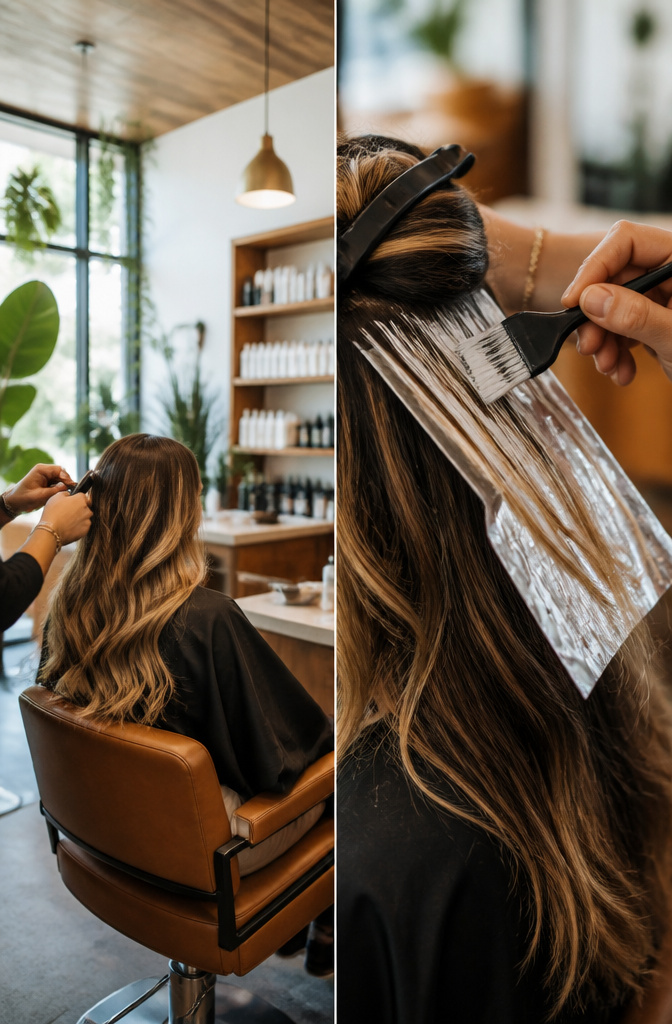
A single-process color, the straightforward all-over dye that covers gray or shifts your base shade in one step, runs $70 to $100 or more in most salons. The price stays lower because the stylist mixes one bowl, applies one color, and rinses once. Double process, where hair is lightened first and then toned or glazed, starts at $100 and climbs past $200; fantasy colors sit at the higher end since they need more processing time and more product to hold.
Balayage, the hand-painted highlighting that grows out softer than foils, has the widest spread at $70 to $450-plus, with length and salon reputation driving most of that gap. Ombré sits around $125 and up, reflecting the gradual shift from darker roots to lighter ends that still takes precision even though it looks effortless. Root touch-ups are the maintenance stopgap, $50 to $75, just enough dye at the regrowth line to stretch a full color another few weeks without redoing the whole head.
Maintenance Costs
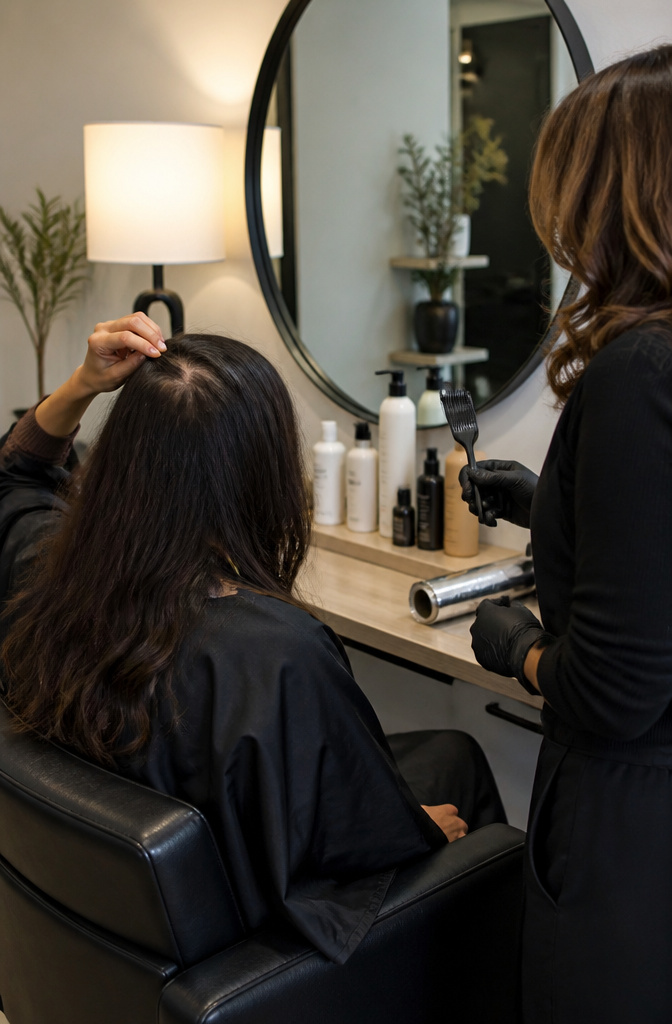
The color that looks perfect on day one quietly becomes the most expensive part. Root touch-ups run $50–$75 if you head back to the salon, and that return trip comes fast. Six to eight weeks is the standard gap for full color; root coverage alone can edge closer to four if gray is showing or your natural shade contrasts sharply with the dye.
That rhythm stacks up quickly. A mid-range salon color at $150, refreshed every two months, adds another $300–$450 over a year before you factor in cuts or styling. Even budget salon visits at $80 each land you near $500 annually. The lower-maintenance techniques like balayage stretch that cycle out, which is exactly why they grew popular: fewer appointments mean keeping more of the original price tag in your pocket.
At-home kits stay under $20 per round, but most heads need two boxes for full saturation. The real math is in the repetition. A single missed shade match or over-processed ends, and you’re buying corrective color anyway, or booking a salon to fix what the bathroom mirror revealed too late.
Potential Additional Costs
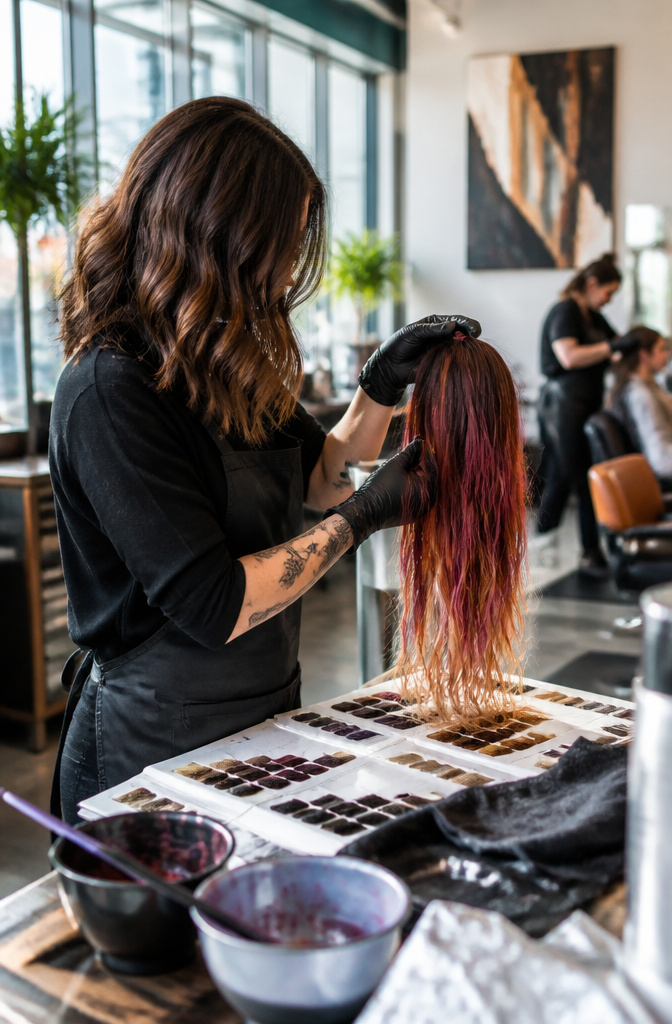
Color correction sits at about $100 per hour, and stylists bill this way because no two fixes are the same. One person walks in with orange roots from a boxed lightener; another needs a full darkening after a bleach-and-tone that turned out too ashy. The stylist might finish in ninety minutes or need four hours spread across two visits, so a flat rate would punish either them or the client.
The half-hour billing some salons use makes the same point: the clock moves based on how much the hair resists and how far you’re pushing it. A color correction for dye damage might involve stripping out old pigment, rebuilding bonds, then reapplying, each step adding time you could not have predicted from a photo. This is where a $40 box dye becomes a $400 salon bill, and why the stylists I read about insist on a consultation first to scope the work.
How Long Hair Dye Lasts

Most salon dyes and decent box kits hit the same wall: four to six weeks before visible fading sets in. What separates them is not how long the color stays vivid but how it exits. Permanent dye does not wash out; it stays put at the shaft until enough new growth shows at your roots to bother you, usually six to eight weeks in. That regrowth appointment is where the maintenance section above starts to sting, because you are not paying for full color again but you are back in the chair all the same.
Semi-permanent and demi-permanent options clock out sooner, fading wash by wash and gone around two months at the outside. A demi lasts roughly thirty washes, which for most routines lands in that mid-length window. The tradeoff is gentler chemistry but more frequent redoing, so the math flips depending how often you can stand the upkeep.
Schwarzkopf lands the single point worth pinning:
Generally speaking, it’s best to wait 4-6 weeks before having another color treatment — in most cases, this is enough anyway and reduces the risk of hair damage.
That gap protects the hair regardless of which dye type you picked, and spacing your sessions to match the fade curve rather than fighting it is where the real cost control lives.
How Often You Can Safely Dye

A full dye job needs 4 to 6 weeks between applications, which lines up with most salon schedules anyway. Root touch-ups are the exception and can happen more often since they only hit new growth.
Stretching that window shorter does real damage. The ammonia and peroxide in permanent color lift the cuticle and alter the cortex underneath, and hair needs that full month-plus to rebuild some of its protein bonds and moisture balance. Color on already-compromised hair grabs unevenly, fades faster, and gets that straw-like texture that costs twice as much in repair treatments than the dye itself.
I ignored the wait once in my early twenties and dyed over a fading copper with ash brown three weeks later. The result was patchy, dull, and snapped off at the crown for months. The money I spent on masks and eventually a corrective colorist could have covered two proper salon visits. Six weeks feels long when roots are screaming, but the alternative runs more expensive in every direction.
Home Dyeing Versus Professional Results
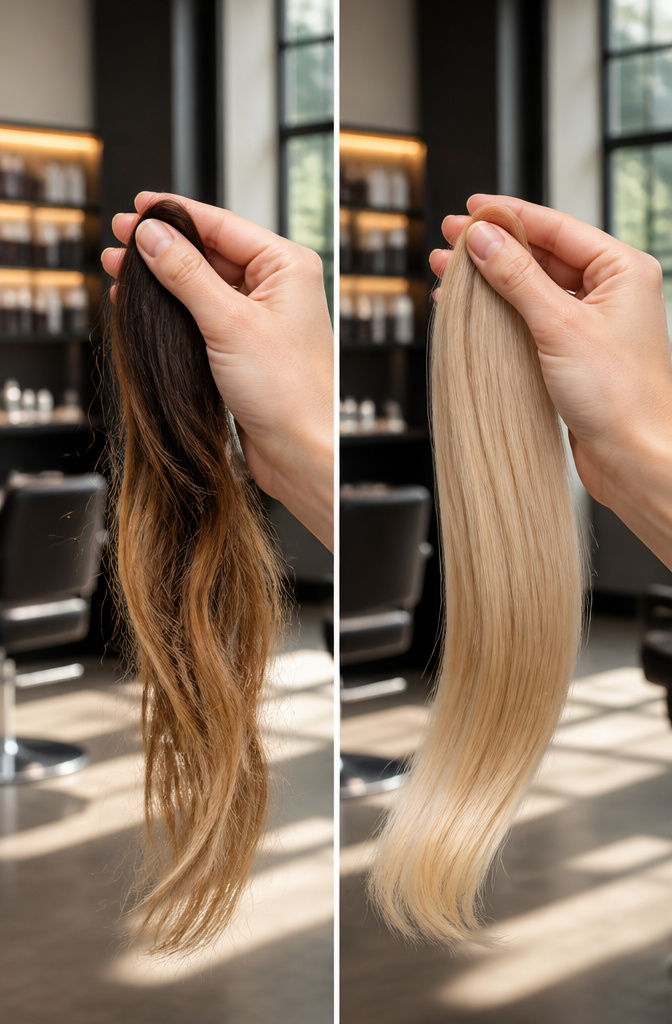
The $5–$30 price tag on a boxed kit looks like a win until you hold the result up to salon light. Professional colorists grade their work on what happens after the application: no banding at the roots, no brass where you asked for ash, no fried ends from bleach left on too long. That control comes from years of watching how the same formula lifts on virgin hair versus already-dyed hair, something a 20-minute YouTube tutorial cannot compress.
Dark hair going blonde is where home kits do their most expensive damage. Bleaching out existing color before depositing new pigment is a two-stage process, and most box dyes collapse it into one. The chemical load required to remove all pigment from a brunette base in a single step tends to snap strands rather than lift them evenly, which is why color correction after a boxed disaster often costs more than the salon appointment you skipped. One kit replaces another and the color keeps drifting further from the goal.
Even the near-misses cost patience. The $8 box promising "medium brown to light blonde" usually lands somewhere you did not name, because it cannot read your undertone or your previous dye history. The color itself may look decent for a week, but the chemical exposure leaves hair porous enough that the next wash strips tone faster than salon pigment does. Conditioner packets included in the box help, yet they start behind where professional aftercare begins.
Hair Type and Texture Considerations
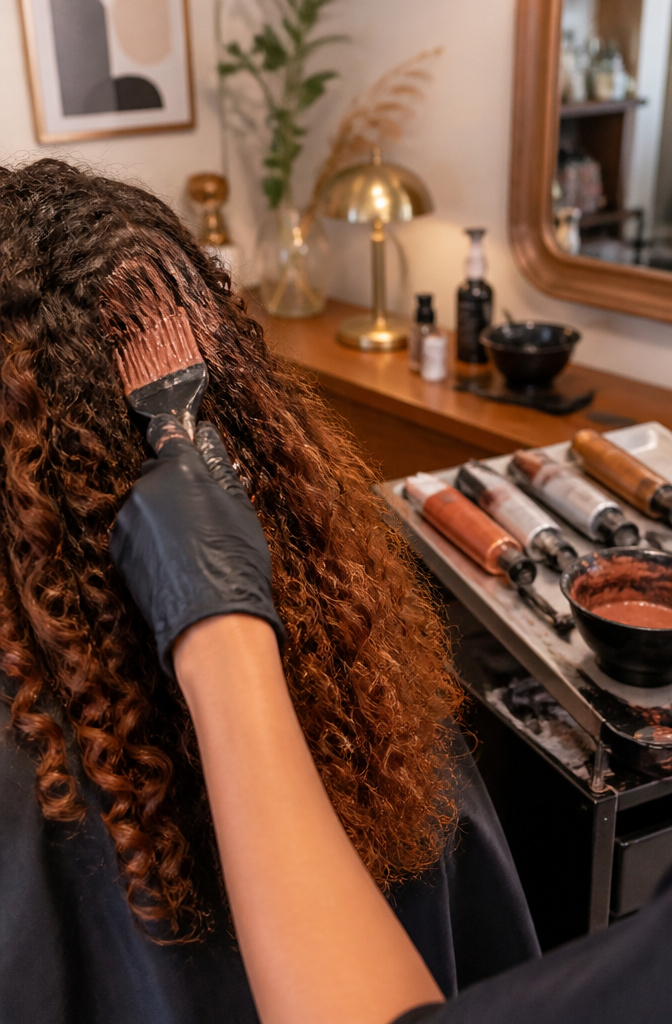
Curly hair is more porous along the coil, which means color processes faster and unevenly if a stylist does not adjust the developer strength or section the hair finer. That extra attention costs more; a salon visit for textured hair can run higher than the baseline quote because the appointment simply takes longer and uses more product to ensure saturated coverage.
What your hair has already been through matters as much as its curl pattern. Bleached or previously colored strands are compromised and drink up dye unpredictably, so a colorist may need to add a filler treatment or stage the process across two visits rather than one. The starting point, density, and condition are what separate a straightforward single-process color from a multi-step correction that doubles the bill.
Home kits rarely account for any of this. A box dye assumes average porosity and an intact cuticle, which is why the same $8 bleach that lifts virgin hair cleanly can turn pre-lightened curls brittle or patchy. Stylists earn their markup by reading the hair in real time: how long the bleach sits, where the heat concentrates, when to rinse before the strand gives out.
Mixing and Developer Basics
Bought a box dye last month and eyeballed the developer like it was pancake batter. The color grabbed at my roots in fifteen minutes and sat muddy on my ends for forty, so I ended up with a two-tone situation that a salon fixed for triple the box price.
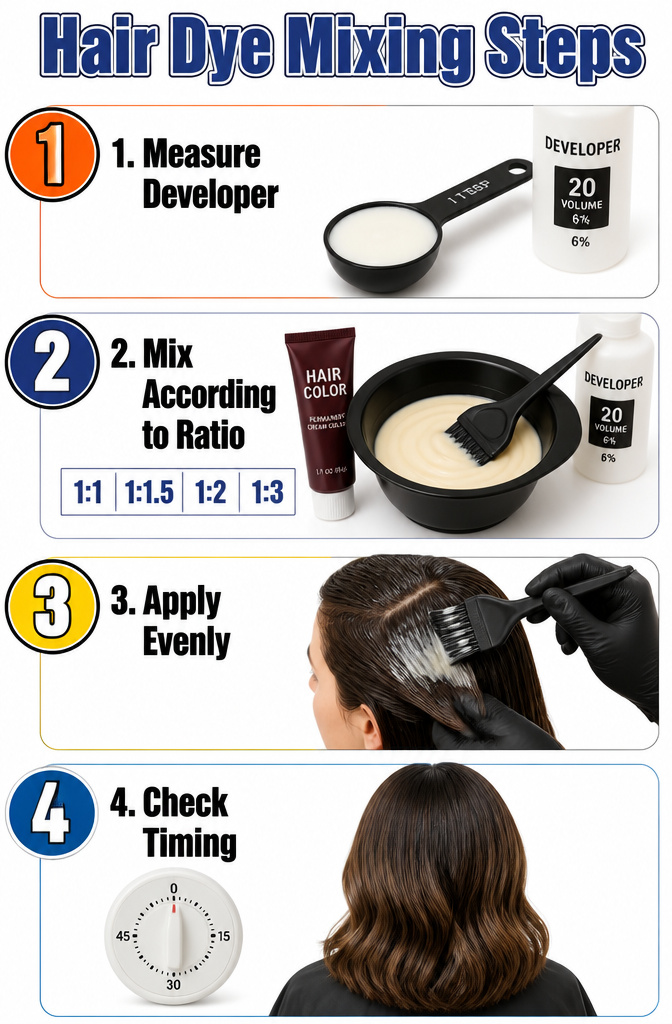
The ratio is printed on every box, and you ignore it at your wallet’s peril. Color lines ask for one of four mixes: 1:1, 1:1.5, 1:2, or 1:3 dye to developer. More developer than called for, and the pigment dilutes past what your hair can hold. Less, and the mix turns paste that spots and streaks instead of coating evenly. A kitchen tablespoon works for measuring if you use the same spoon for both parts, since "parts" match by volume, not weight.
Developer volume runs 10 through 40, but that number only controls lift, not saturation. The ratio controls whether the color takes at all. My eyeballing habit cost me because I treated volume and ratio as the same decision. They are not: pick the volume for your starting shade, then mix at the exact ratio the manufacturer set.
Frequently Asked Questions
How much does hair color cost?
Salon single-process color starts around $75 to $100, while balayage and highlights run $100 to $250. At-home kits sit between $5 and $30, though the real price can jump if you need a color correction afterward. A botched box dye often costs more to fix than the salon visit you skipped.
How often can I dye my hair?
Wait four to six weeks between full dye jobs. Root touch-ups are the exception since they only hit new growth and can happen more often. Going shorter than a month risks real damage: the cuticle needs that window to rebuild protein bonds and moisture, and hair that is already compromised grabs color unevenly and snaps.
How long does hair dye last?
Most dyes start fading visibly at four to six weeks. Permanent color stays at the shaft until regrowth pushes it down, so the six-to-eight-week mark is usually when you are back in the chair for roots. Semi-permanent and demi-permanent options fade wash by wash and are gone in about two months at most.
What are the risks of dyeing hair too often?
Over-dyeing leaves hair brittle, dry, and prone to breakage. Permanent dyes and bleach lift the cuticle and expose the cortex underneath, and strands need that full month-plus to recover some strength. Color applied too soon on already-damaged hair turns patchy, fades faster, and develops that straw-like texture that costs double in repair treatments.
Can I dye my hair at home?
Yes, but the $5 to $30 kit comes with real risk. Boxed dyes assume average porosity and virgin hair, so pre-lightened or curly hair can turn patchy or brittle. The bigger danger is the color-correction appointment that follows a bad result, which often costs more than professional color from the start. Dark hair going blonde is especially risky at home, since most kits collapse bleaching and toning into one step that snaps strands rather than lifting them evenly.