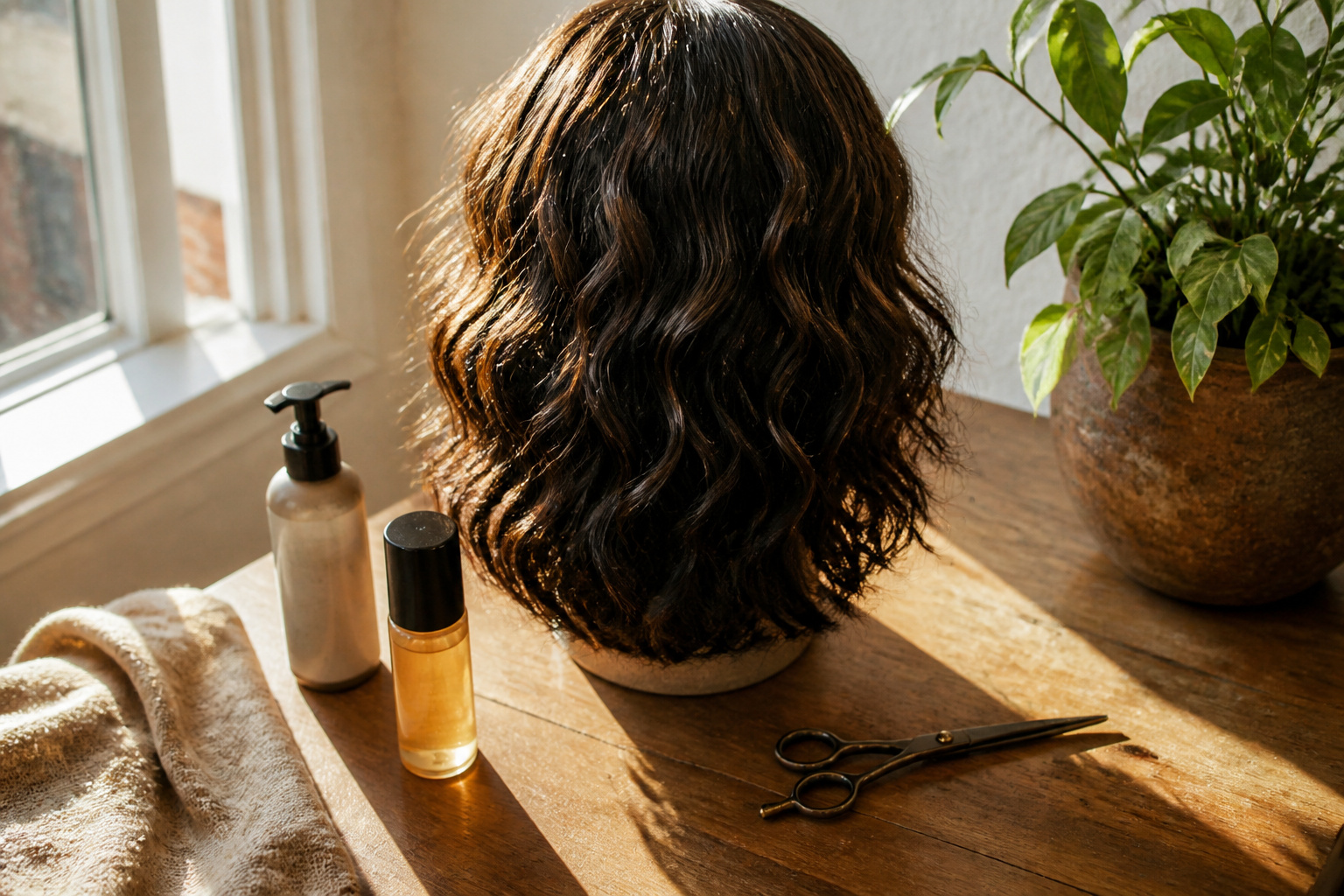
A perm runs $50 to $400 depending on hair length, salon tier, and whether you want digital rods or a classic cold set. The real sticker shock comes at checkout, where the base quote rarely bundles the wash, trim, or blowout that shows you the actual curl. I watched a friend clock four hours for a spiral perm past her shoulders; her receipt hit $350 before tip, and that was just the perm itself.
1. Short Hair Perm
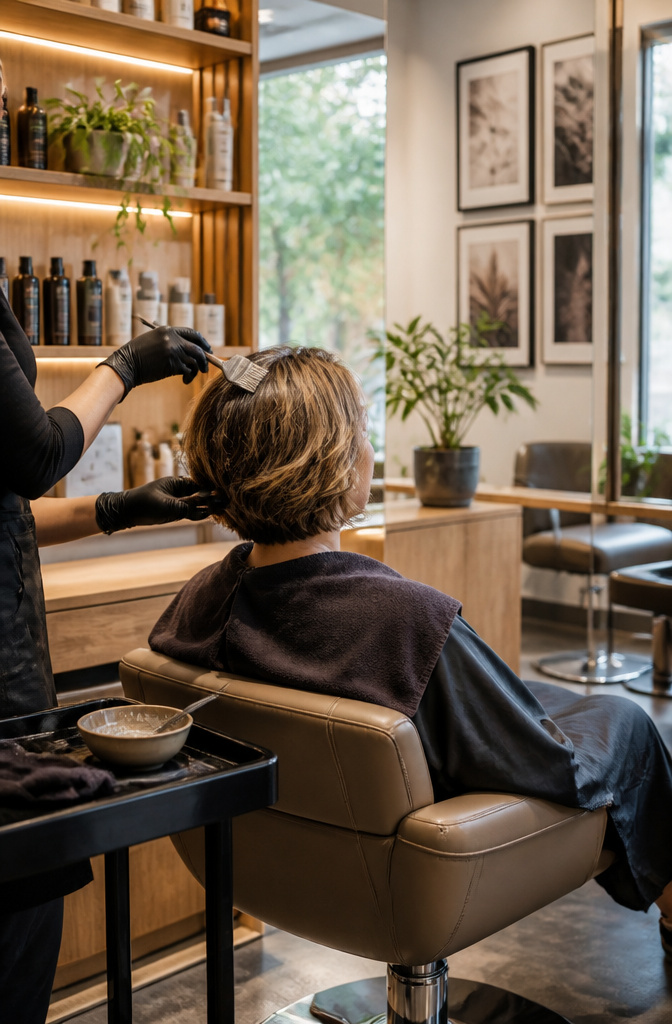
Short hair perms sit at the lowest rung of the price ladder, but $50 still looks close to the floor once you factor in what the base service actually covers. Most salons start between $50 and $100 at the budget end, $100 to $150 mid-range, and $150 to $200 or more if you walk into a premium spot or request something like a digital or specialty technique on a pixie or bob.
The reason short hair costs less is straightforward: fewer rods, less waving solution, and processing that wraps up in 60 to 90 minutes instead of two-plus hours. Less material plus less chair time equals a lower baseline. A classic cold perm on short hair might land between $50 and $150, which overlaps the budget and mid-range salon brackets.
Where the number climbs is in the add-ons and the technique. Most base quotes cover only the curl service itself; washes, trims, and styling are usually extra. A root perm or body wave on short hair can run $70 to $200 depending on the salon tier, and if you want a digital perm for softer, heat-shaped waves, you’re looking at $150 to $300 plus even with abbreviated length. The shorter canvas does not automatically mean the simpler choice.
2. Medium Hair Perm
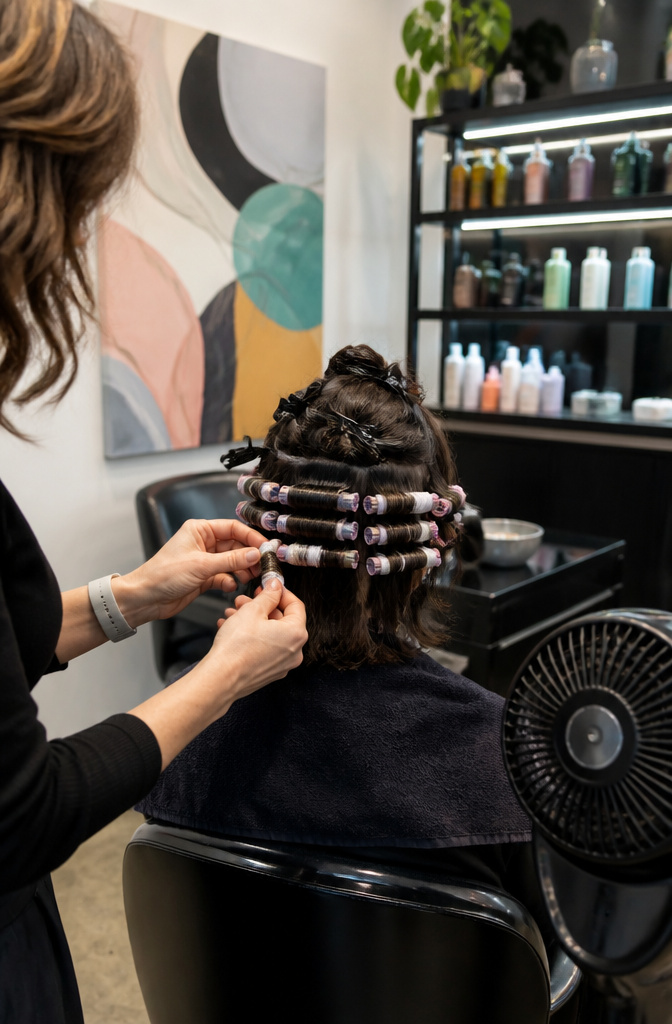
Medium hair sits in that awkward middle where stylists have enough to work with to complicate the job, but not so much that time alone drives the price. The range runs $80 to $250+, and the spread matters more here than with short or extra-long lengths.
A shoulder- or collarbone-grazing perm demands more rods and more product than a pixie cut, which pushes the floor up. I have watched salon menus cluster around $80–$150 at low-end spots, $150–$200 mid-range, and $200–$250+ at high-end salons, with the final number depending more on curl ambition than on the clock. Body waves and spiral curls both sit in this category, but spiral work takes tighter wrapping and more sections, so stylists tend to price it toward the top of the bracket. Digital perms overlap here too, though those sit closer to $150–$300 when heated rods enter the picture.
The sweet spot of medium length is also the catch: enough versatility to make choices, enough surface area to make wrong choices expensive.
3. Long Hair Perm
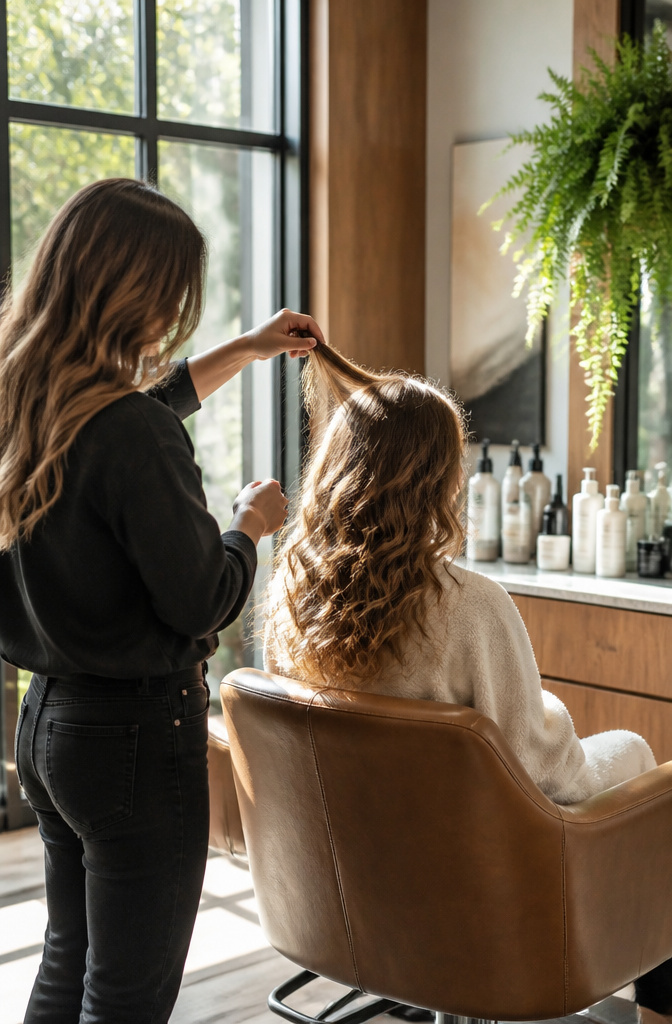
Long hair perms sit at the top of ordinary salon pricing, running $100 to $400+ depending on where you book. The math is straightforward: more rods, more chemical solution, and several hours of a stylist’s time stacked end to end. A friend of mine once sat for a spiral perm on hair past her shoulders and clocked the whole visit at four hours; her receipt hit $350 before tip.
Those hours are not padding. Each section has to stay wrapped long enough for even processing, and long hair simply holds more volume that the solution must penetrate fully. Budget salons land in the $100–$200 range, mid-range spots cluster at $200–$300, and high-end salons open at $300 with plenty of room to climb if your hair is thick or the curl pattern is tight. Thickness matters as much as length here, since dense hair needs extra sectioning and more careful timing to avoid fried ends or uneven lift.
One thing that caught my eye reading through salon breakdowns: the base perm price rarely covers the finishing work. Washes, trims, and the blowout that shows you the actual curl are usually line items on top. Ask what is bundled before you commit, or that $250 quote can turn into something steeper at checkout.
4. Digital Perm

Heated rods with digital temperature monitoring are what separate a digital perm from the classic cold version, and that technology shows up directly in the bill. $150 to $300+ is the range I kept seeing, with most appointments landing closer to the middle when the salon uses standard-length hair.
The rods themselves need specialized calibration, and stylists train separately on thermal waving techniques, which explains why even a basic digital perm costs about what a high-end cold perm does. What you get for that extra spend is a curl pattern that relaxes into softer, more natural movement, the kind that looks closer to air-dried waves than the tighter, uniform spirals of traditional processing.
East Asian salons have offered this method for years, and the style spread from there. I found it now books easily in most major US cities within an hour’s search radius, though smaller markets still list it as a specialty request with the price pushed toward that $300 ceiling.
5. Spiral Perm
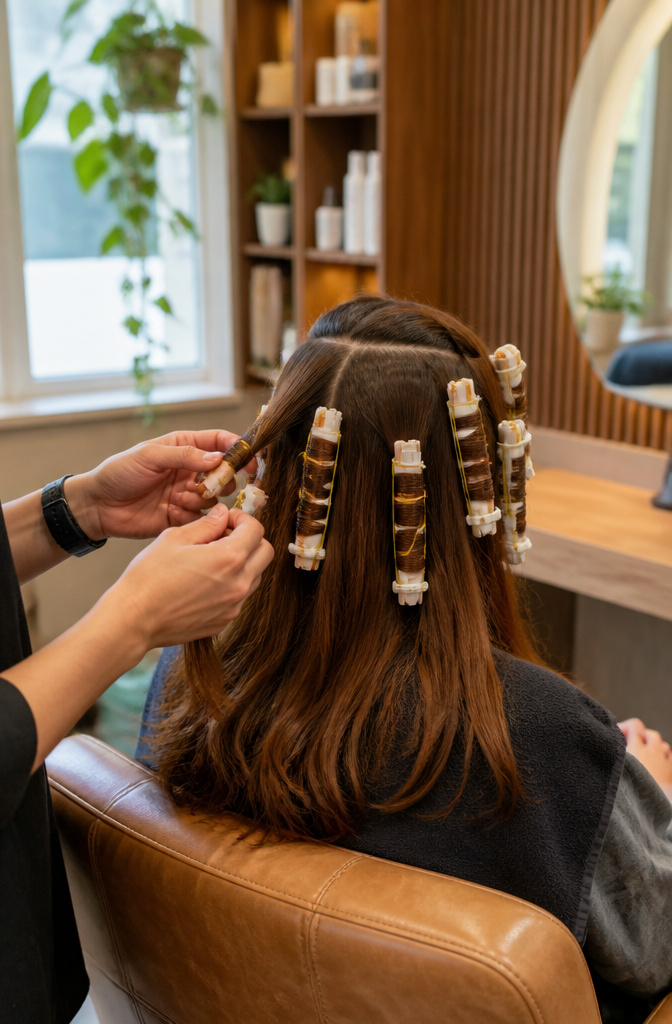
The springy corkscrew curls of a spiral perm come from a specific mechanical process: vertical rods, wrapped end-to-end in uniform sections so the hair spirals down like a ribbon around a maypole. That vertical placement matters. Unlike a standard perm where rods sit horizontally and produce a looser wave, spiral perms demand sectioning precise enough that each curl falls into its neighbor without gaps or crowding. The stylist maps the head in a grid, and any misalignment shows up immediately in the finished pattern.
That labor is why the price sits in the mid-to-upper tier even for shorter lengths. A spiral perm runs $100 to $250, with the lower end barely overlapping the root-perm ceiling and the upper end brushing specialty-perm territory. Hair length moves the needle within the range, since longer hair means more rods, more solution, and more time under the hood. But the real cost driver is the handwork: the vertical wrapping simply takes longer than horizontal, and experience-level stylists charge accordingly because a botched grid gives you zigzag instead of rhythm.
6. Body Wave Perm
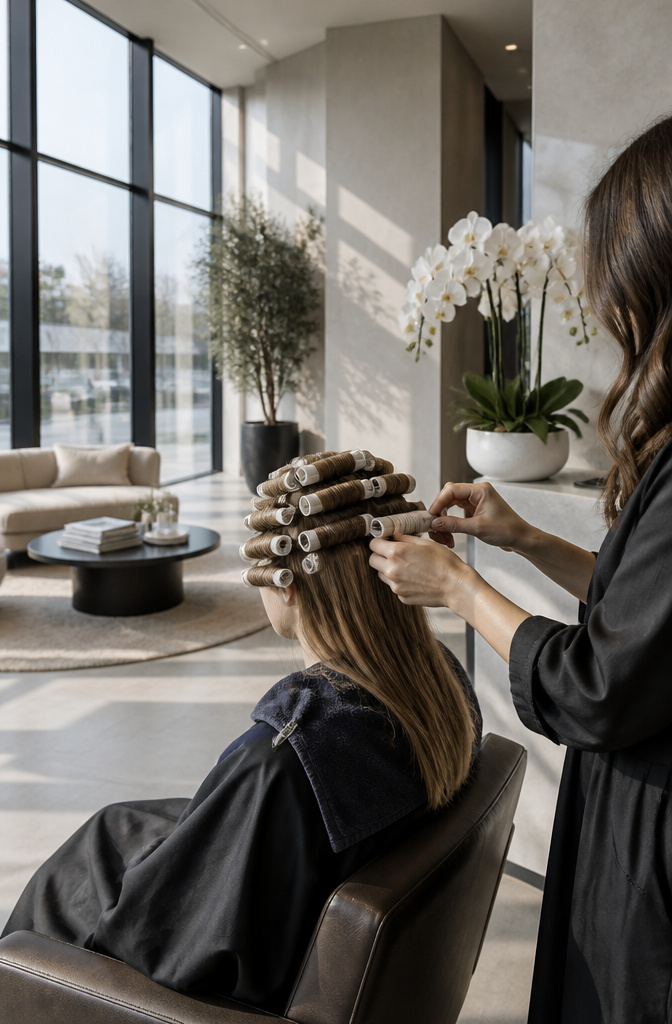
A body wave perm runs $80 to $200, the gentler option for women who want movement and volume without committing to tight curl. The process uses larger rods and a milder solution strength than a spiral or digital perm, which keeps the appointment shorter and the price lower. Sally Hershberger stylist Marco Pelusi once explained to me that the rod size is doing most of the work here: bigger rods mean fewer wraps and less chemical intensity, and salons price accordingly.
Booksy data shows body wave perms starting closer to $60 in some markets, though Bravo Salon in Scottsdale lists $100–$200 as their standard range, with an upcharge for long or thick hair. The 90- to 150-minute appointment window reflects that same efficiency. You’re paying for texture that reads as natural air-dry rather than curl that announces itself across a room, and for most of the 25-to-44 women I see in these chairs, that is exactly the point.
7. Root Perm
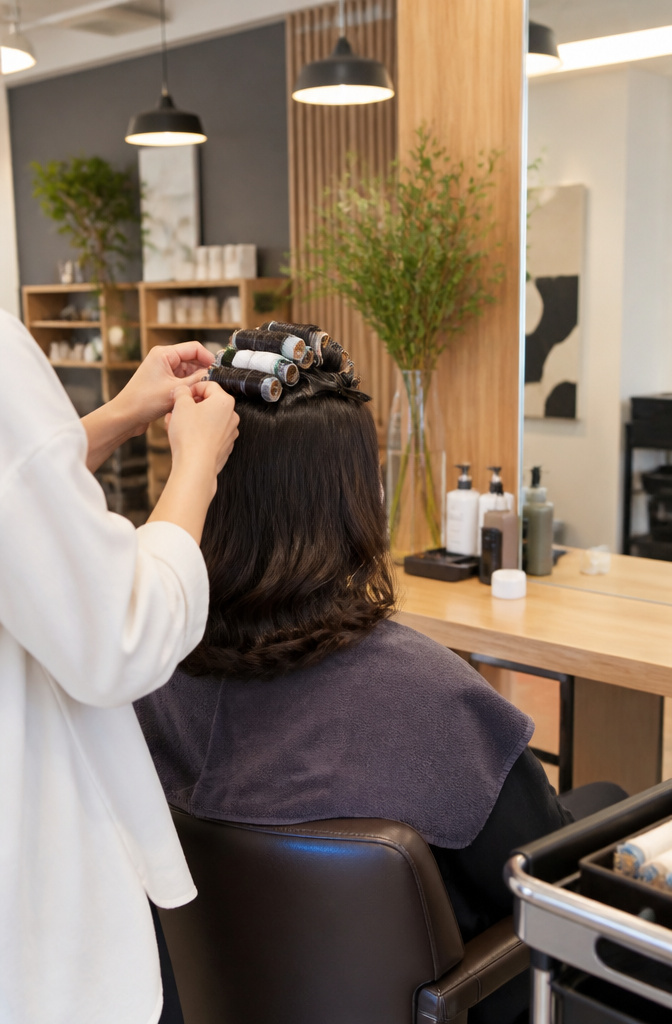
A root perm keeps the solution right where your hair meets the scalp, lifting flat or fine sections without touching the mid-lengths or ends. Shorter processing time and minimal product use make it the most affordable perm option, with most salons charging $50 to $150. That range matches a simple cold perm on short hair and runs lower than body waves, spirals, or digital sets because the stylist wraps far fewer rods and watches the clock for minutes rather than hours.
The catch is you already need some natural wave or curl below the roots for the blend to look intentional. Someone with dead-straight hair from root to tip will get a poufy shelf effect that grows out awkwardly. I see this style work best as a maintenance move between full perms, stretching the calendar and the budget by adding lift only where new growth has gone flat.
Most base quotes cover the perming service alone, so the final bill may climb if you need a wash, cut, or blow-dry to finish. Ask what the salon includes before you sit down, especially at the lower end of that price range where add-ons can nearly double the total.
8. Specialty Perm
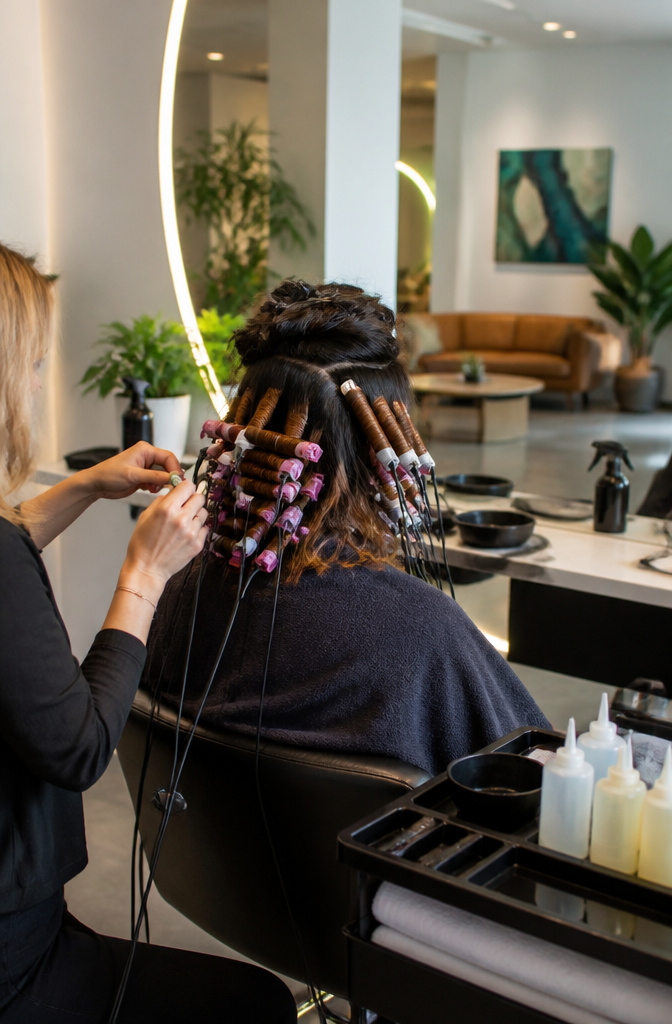
A specialty perm sits in a bracket most people do not budget for until the stylist names it. $200 to $400+ is the usual span, and the upper half opens fast once your hair demands custom work. This category collects everything that does not fit the standard menu: corrective perms undoing a bad spiral, blends of digital and cold techniques on the same head, and the salon-specific signature services where the stylist is essentially billing an hourly rate for judgment and time.
I noticed, reading across salon price lists, that thickness and length alone can push a "simple" perm into this tier. Very long hair needs more rods, more solution, more sectioning precision, and the stylist’s clock keeps running. The same happens when a client wants a curl pattern mapped to their face shape rather than pulled from a catalog. These are not add-ons you can decline. They are the service.
The premium also covers risk. Corrective work on over-processed hair, or mixing methods within one appointment, raises the chance the stylist will need to start over mid-process. Their price builds that contingency in. So if you are quoted $350 and the next salon quotes $120 for a "standard" perm, the gap usually means one person read your hair as a custom project and the other did not. Ask exactly which techniques are included and how many hours the appointment blocks. The answer tells you whether the number is padded or earned.
What Changes the Price
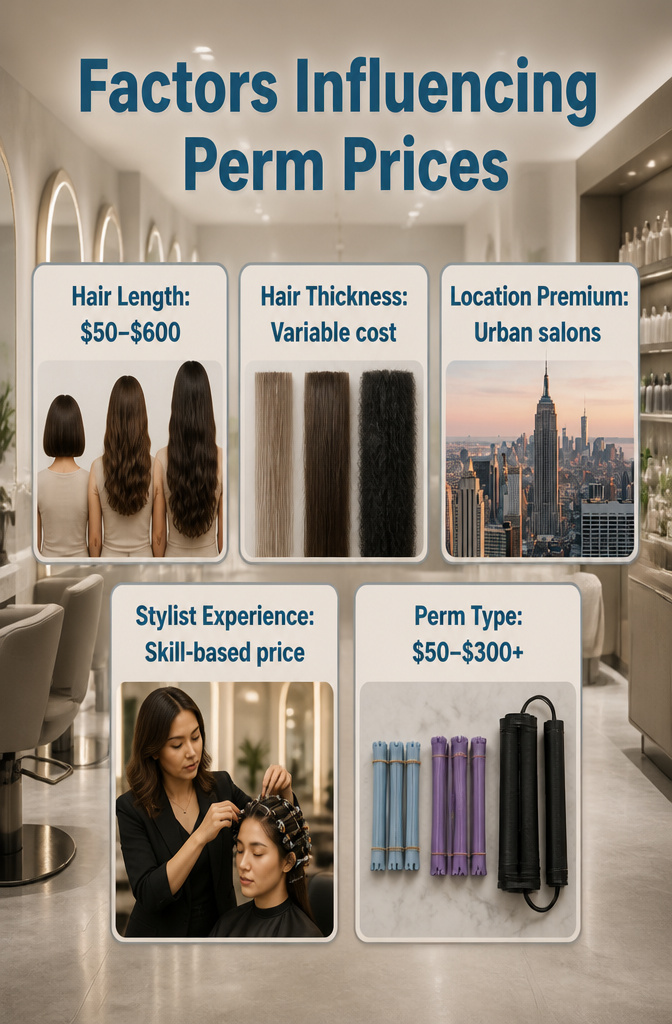
A perm that runs $60 at one salon can clock in past $400 at another, and the gap usually comes down to five things working together. Hair length is the plainest. Short hair needs fewer rods and less solution, which is why the starting point sits around $50–$100; long or extra-long hair demands more product, more sectioning, and more careful processing, pushing the same service to $250–$600.
Thickness moves the price in a similar direction. Dense hair takes longer to wrap and may need extra rods, while fine hair carries its own risk. A stylist who has to be careful with timing and solution strength is charging for skill, not just hours.
Salon location sets the baseline labor cost before any of that matters. A chair in Manhattan or San Francisco prices differently than one in a smaller market, and that floor shows up whether the perm is basic or elaborate.
Stylist experience turns that hourly rate up or down. Someone who has wrapped hundreds of perms and knows which rod size and processing time will hold on bleached hair charges more than a junior who is still learning to read those variables in real time.
The perm type itself determines equipment and complexity. A cold perm sits at the lower end, around $50–$150. Body waves run $80–$200. Digital perms, with heated rods and longer appointments, sit at $150–$300 or more. The slowest option eats several hours, and salons price by time and labor, which means the longer your hair and the more technical the perm, the more you should budget up front.
Perm Types Compared

The real split worth sorting out is cold versus digital, because everything else branches from there.
Cold perms use an alkaline solution, no added heat, and the curl sets while your hair is still wet. That tight curl you picture from the eighties usually comes from this method, and it tends to hold longer but can dry out finer strands. Digital perms turn the process inside out: rods heat up, the temperature is monitored, and the curl actually takes shape as your hair dries. The payoff is softer, more natural movement, though salons charge more for the time and the equipment. A spiral perm keeps similar tightness but wraps the hair at an angle, so curls drop in a corkscrew rather than a uniform ring. Body wave perms use larger rods and looser placement, giving beach-adjacent volume that barely reads as curled. Root perms skip the ends entirely and lift only at the scalp, which is why shorter cuts use them to fix flatness without bulk elsewhere.
How Long a Perm Takes
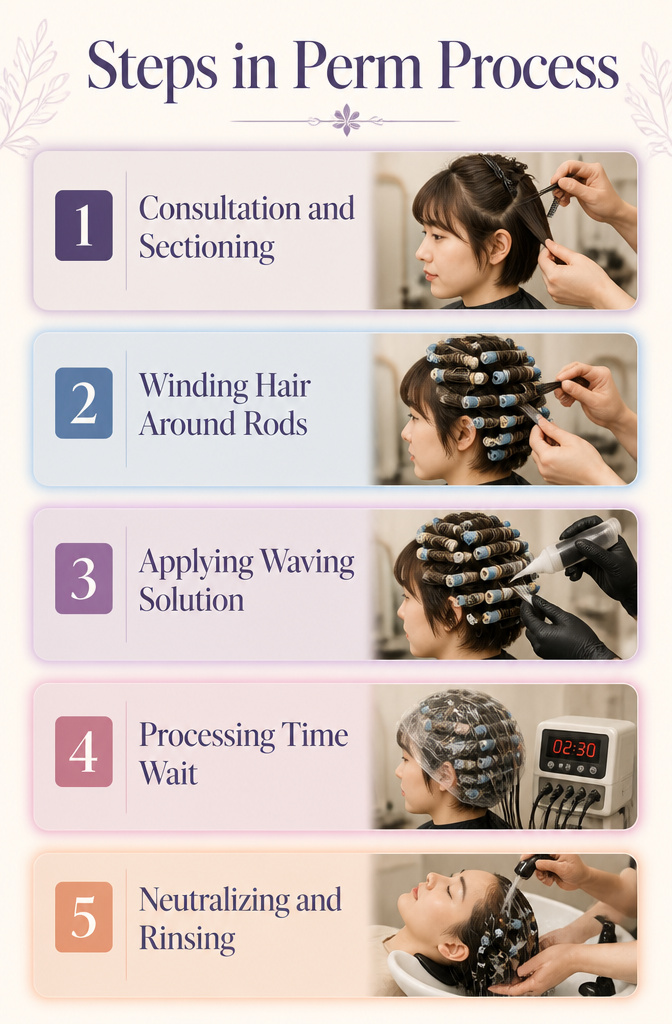
A perm on short hair can wrap in as little as 60 minutes, while long or thick hair pushes the appointment toward several hours. That gap matters more than most people expect, since salon pricing weights labor far heavier than product. The clock starts at consultation: the stylist sections the hair, winds it around rods, applies the waving solution, waits for the cuticle to soften enough to reshape the strand, then neutralizes and rinses. Each step multiplies with length. More rods mean more wrapping time. More hair means more solution to apply evenly and more minutes to process through to the center. A digital perm runs slowest, often stretching past the three-hour mark with its heated rods and longer processing window. When salons quote higher prices for longer hair, the time on the chair, not the bottle of solution, is what drives the cost. I have seen short styles clock out at 75 minutes and shoulder-length waves eat up two and a half hours before the neutralizer even touched the rods. Thickness compounds it tight curls on dense hair need extra sectioning to keep the pattern even. The stylists I followed emphasized that rushing the wrapping stage ruins the result. They would rather block four hours and finish early than book tight and watch the perm soften unevenly.
Aftercare That Saves the Curl
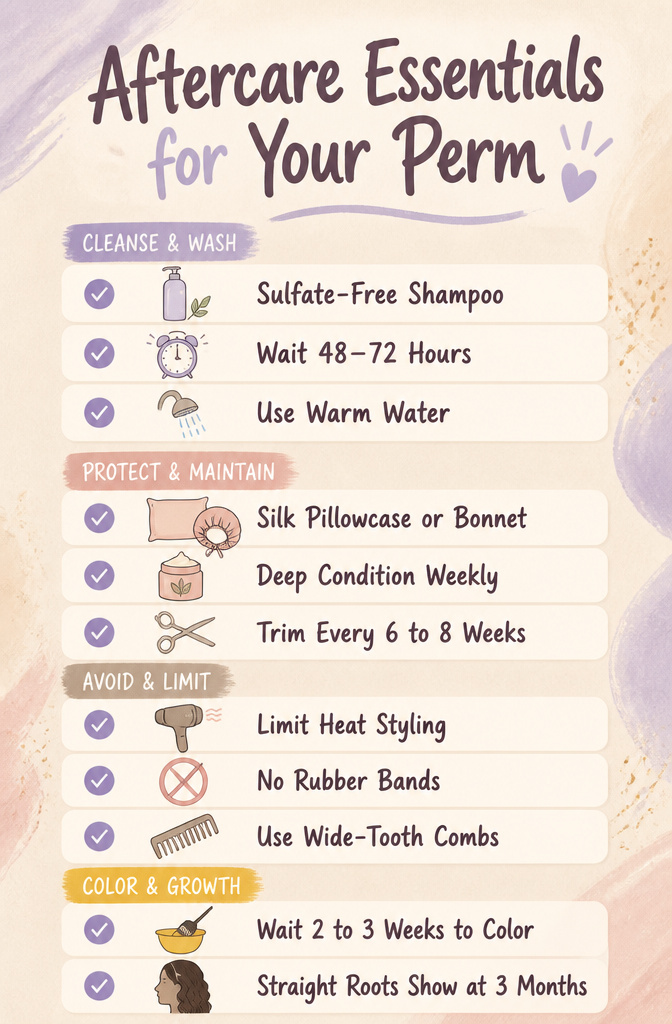
Sulfate-free shampoo is the first swap to make after a perm, and waiting 48 hours before that first wash gives the new curl bonds time to lock in. Most stylists will push that to 72 hours if your schedule allows, since the keratin is still hardening naturally and any water risk is real risk.
Warm water beats hot once you do start washing, and a diffuser keeps the shape intact instead of blasting heat. The pillowcase matters more than people expect: silk or a bonnet cuts the friction that turns morning curls into frizz. Deep conditioning weekly keeps chemically treated hair from drying out, and trims every six to eight weeks stop split ends from creeping down and dragging the curl loose.
Heat styling should drop to nearly zero. Rubber bands should disappear entirely. Wide-tooth combs replace brushes. If color is next on your list, wait two to three weeks; the hair has already taken one chemical hit and a second too soon does damage you cannot reverse. The growth of straight roots will show eventually, usually around the three-month mark, but how you treat the hair in between decides whether the perm looks healthy or fried when it gets there.
Frequently Asked Questions
How much does a perm cost?
A perm usually runs between $50 and $400 or more, with the final number depending on your hair length, the style you want, and where you get it done. Short hair starts around $50 to $100 at budget salons, while long hair or specialty techniques like digital perms can push well past $300. Most people land somewhere in the middle, but thickness, salon location, and stylist experience all move the needle.
What factors affect the cost of a perm?
Hair length, thickness, salon location, stylist experience, and perm type are the five main drivers. Long or thick hair needs more rods, more solution, and more time in the chair. A stylist in Manhattan or San Francisco charges more than one in a smaller market, and senior stylists bill higher rates than juniors. Digital and spiral perms also cost more than basic cold perms because of the equipment and labor involved.
How long does a perm take?
Short hair can wrap and process in about 60 to 90 minutes, while long or thick hair stretches the appointment to several hours. Digital perms run slowest, often past the three-hour mark with their heated rods and extended processing. Salons price heavily by time, so the longer your hair and the more technical the style, the more you will pay for those extra hours.
Can I perm colored hair?
Yes, but wait at least two weeks after coloring before you perm, and longer if your stylist advises it. Color-treated hair is more fragile, and the double chemical hit can cause damage you cannot undo. If you are planning both services, schedule the perm second and let your stylist assess whether your strands are strong enough.