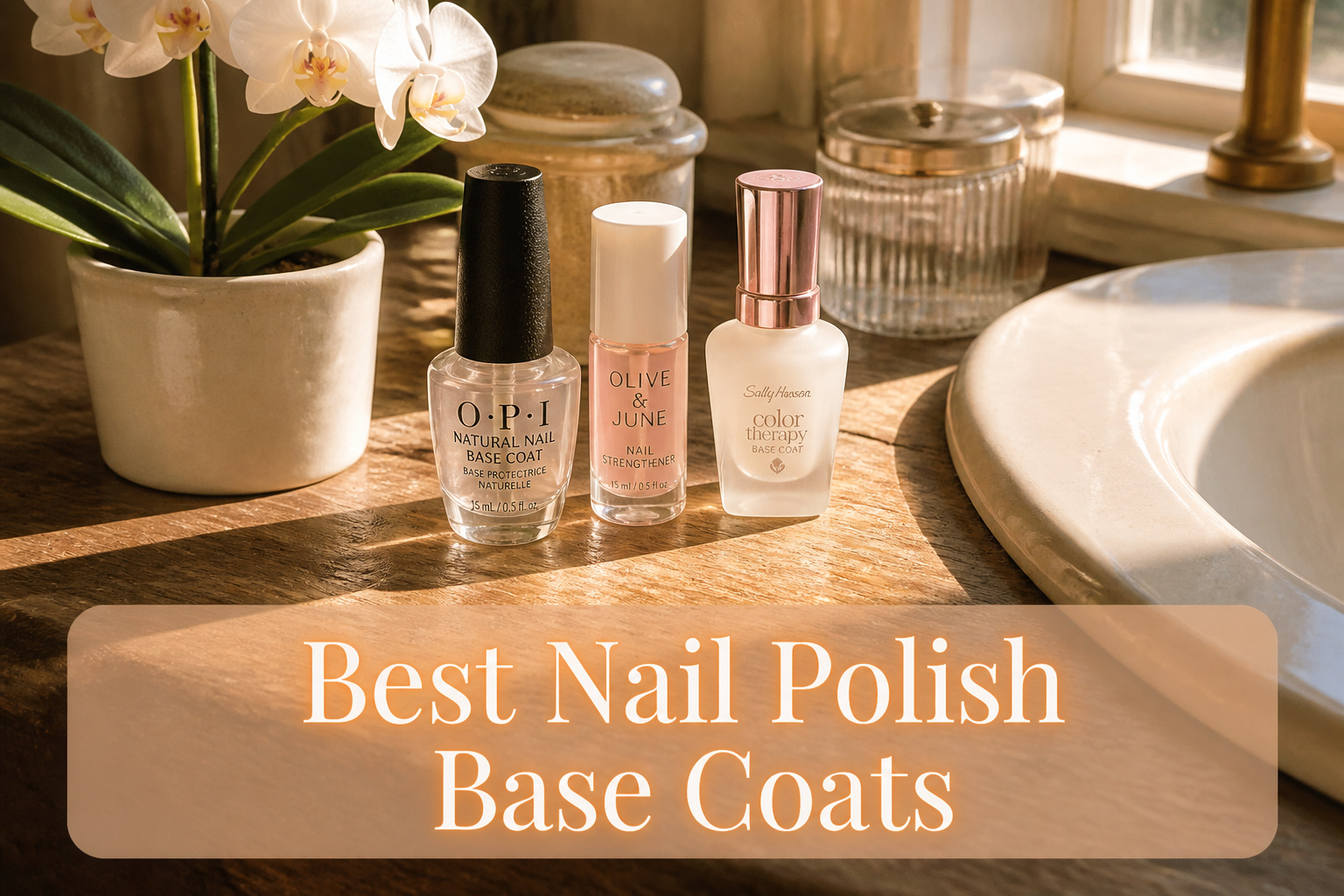
The OPI Natural Nail Base Coat is the one I would hand to anyone asking where to start, mostly because two quick swipes per nail sets a glossy, grip-ready surface that dries fast enough to save a Sunday-night manicure from smudges.
Its $12 price does not cover every situation, though. Anyone who needs peel-off removal for frequent color changes or glitter-heavy looks will want Olive & June’s version instead, and active fungus or severe splitting need a treatment-first approach, not a cosmetic coat.
1. Best Overall Base Coat
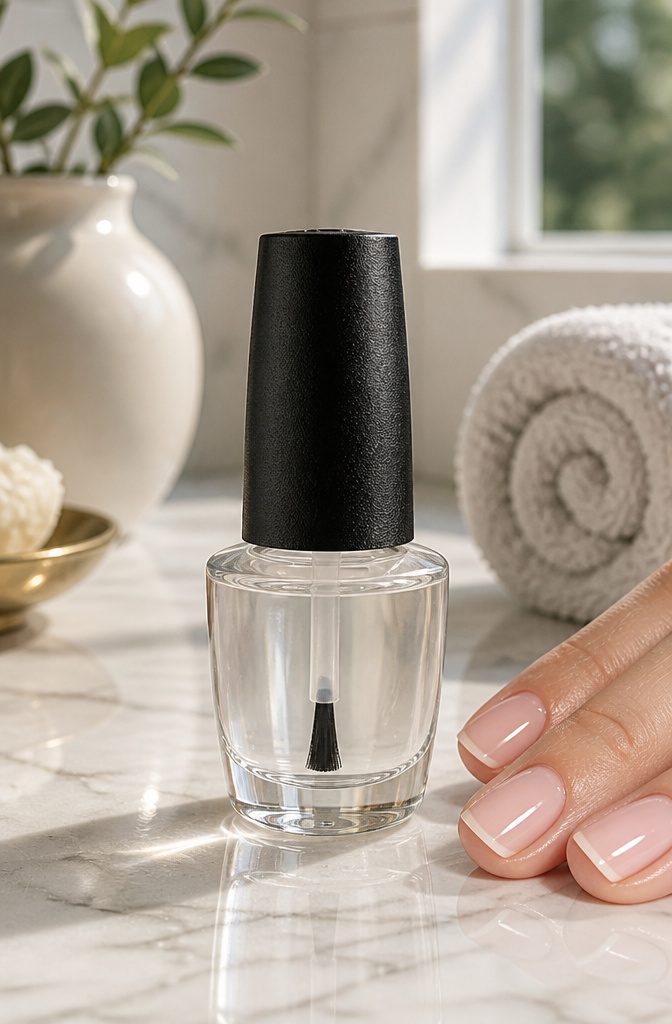
The $12 OPI Natural Nail Base Coat is the one I would hand to almost anyone asking where to start.
Its glossy formula builds a smooth, light-catching layer that color grips onto, and wearing it alone keeps nails from yellowing between manicures. After a few weeks of regular use, thin or brittle nails actually feel tougher, not just masked.
Two quick swipes per nail sets the whole surface, and the fast dry time saves a full hand from the smudges that usually happen when you get impatient between coats.
"What I like most about this base coat is that it gives you a really even coat—I just need two swipes on each nail and I’m good to go. It also dries down fast, which means quicker, less messy manicures overall."
— Allure
That speed matters on a Sunday night when you want polish on before bed.
The catch is for anyone who needs peel-off removal, say for frequent color swatching or glitter-heavy looks; this is a standard adhesion base, not built for that.
Specific nail conditions like active fungus or severe splitting need a treatment-first approach, not a cosmetic coat.
For the rest of us, the combination of protection, strength, and a glossy finish that holds polish for days makes this the default worth keeping in the cabinet.
2. Best Peel-Off Base Coat
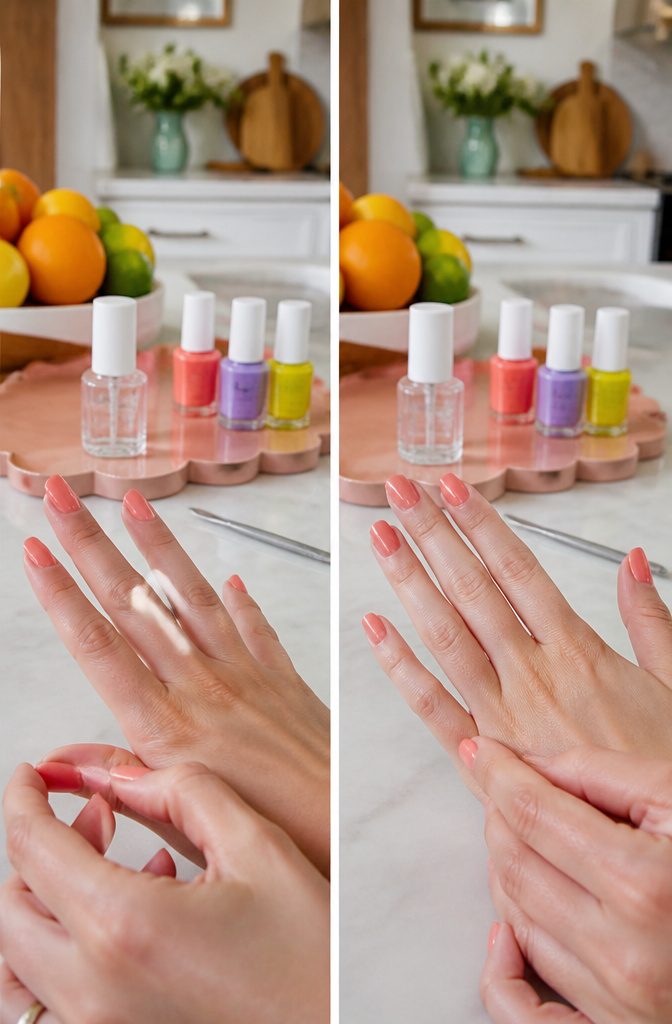
The best peel-off base coat I found is Olive & June’s version at $12, and its trick is deceptively simple: paint it down the center of each nail, leave a slim bare border at the edges, and the polish above still grips where it counts.
When you’re done, a cuticle pusher lifts the film and the color peels away in one sheet. No acetone, no foil wraps, no dry time under a lamp.
The glycerin in the formula is what sold me on reading through the details. It hydrates the nail plate instead of stripping it, which matters if you’ve already got the kind of nails that flake after gel removal.
This one fits two kinds of people precisely.
Frequent color changers can swap shades in ten minutes flat. Anyone whose skin or lungs protest acetone gets a full removal method that skips it entirely.
Wear time is where the compromise sits. One tester noted it fell short of her usual gel span even when she followed the center-nail method.
For a wedding weekend or a Tuesday-through-Thursday manicure, that is fine. For someone needing polish to survive a full work week plus dish duty, a traditional bonding base coat wins instead.
3. Best for Minimizing Chipping
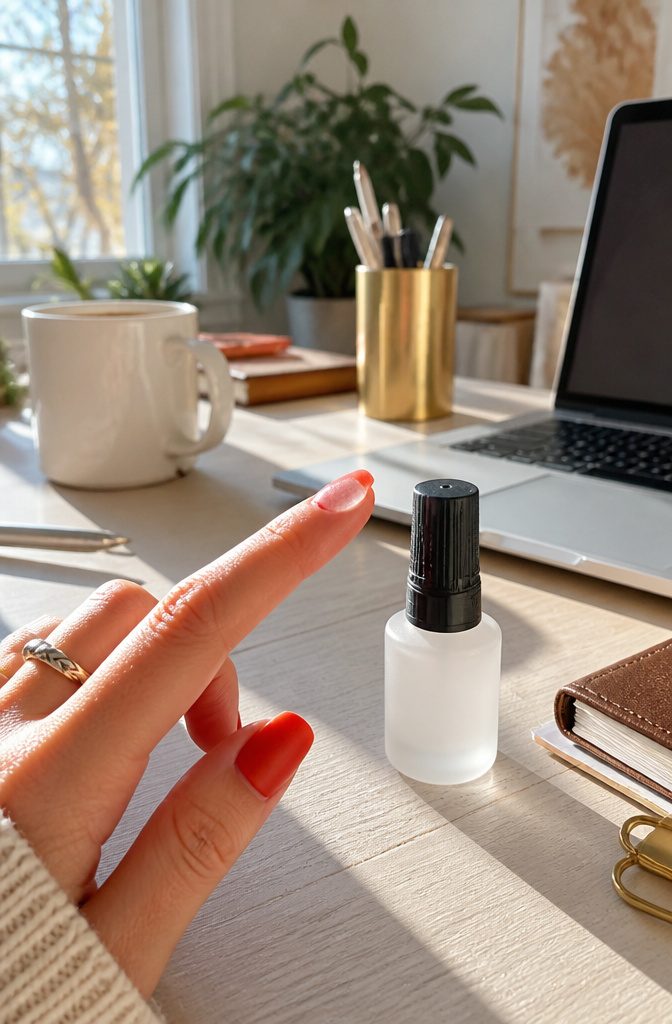
Orly’s Bonder Basecoat runs $13 at Ulta Beauty and earns its reputation for manicures that refuse to quit. The formula dries to a slightly tacky finish, almost like a layer of rubber cement gripping the lacquer above it.
That texture difference is the point: standard base coats form a smooth film, but this one stays flexible and adhesive, giving polish something to bite into with less likelihood of chipping or cracking days in.
The hands that benefit most are the ones that never stop moving. Kitchen work, typing-heavy jobs, or anyone who needs two weeks of wear without touch-ups will notice the difference in longevity.
For those who swap nail color frequently or prefer a gentler removal process, the same tackiness that holds polish on can also make it harder to lift.
People layering over treatments like bond-repair serums may find it fights the product beneath rather than complementing it.
4. Best Strengthening Base Coat
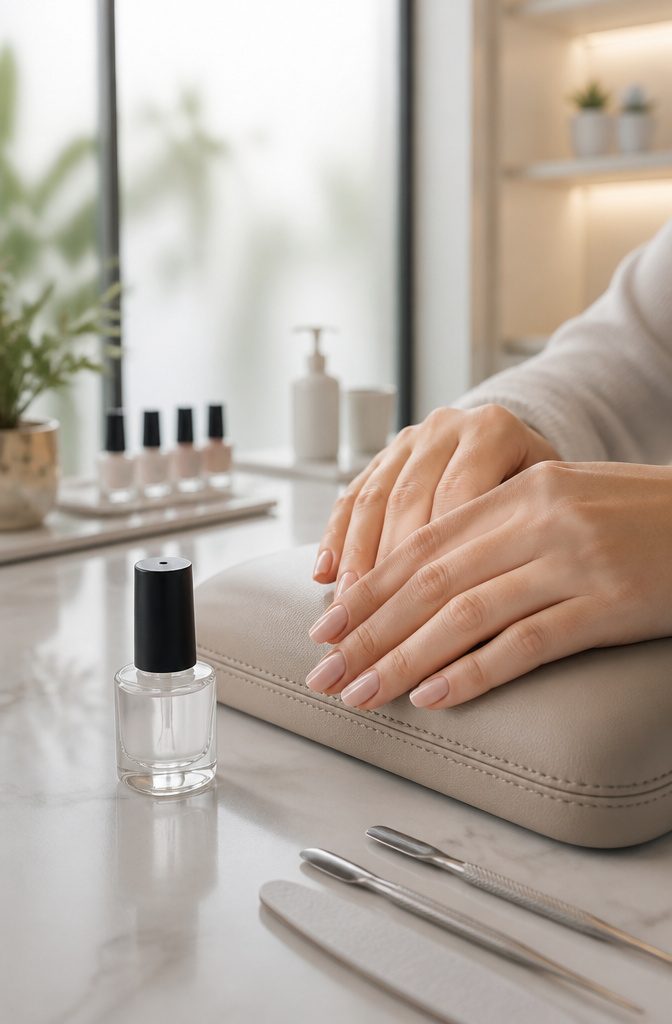
Weak nails that split down the side need rigidity more than they need anything else.
Nail Essentials by ASP Artificial in a Flash Super Hard Base Coat delivers exactly that for $7 at Sally Beauty, and nail expert Juli Russell uses it herself when natural nails are at their worst.
The hardening comes from hydrolyzed keratin that penetrates the nail plate, plus calcium, so the coat builds reinforcement from inside rather than sitting on top like a shell.
The tradeoff is real: hardness means less flexibility. Nails that are already strong but prone to snapping, or ones that grow out and then crack under pressure, will likely do better with something else.
Too much rigidity on a rigid nail turns everyday bumps into breaks. Thin, flaking nails are the audience here.
Russell’s method is to take a polish break and apply it every morning until the splitting stops. That discipline matters; one coat under color won’t rescue anything.
5. Best Undercoat Treatment
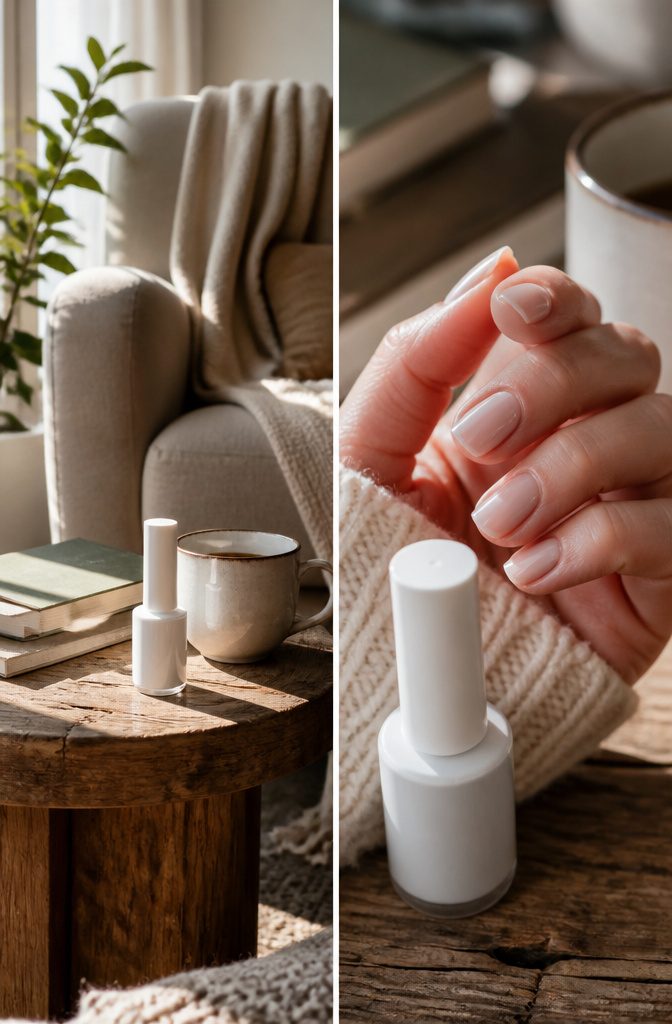
Nails thinned out from gel cycles or acrylics need something beneath a standard base coat, and that is where an undercoat treatment steps in.
The ePhD Bond Repair Nail Treatment runs $20, and it works as a hydrator and growth support layer rather than as a primer for polish adhesion.
Ethyl acetate and diethylhexyl maleate sit among its key ingredients, aimed at healing damaged nail beds and encouraging length over time.
It wears two ways: alone on bare nails for recovery days, or underneath your usual base coat when you still want a manicure.
That two-step routine is the catch. Anyone after a single product that does both jobs will find this adds minutes they do not want to spend.
Likewise, nails already in solid condition do not need this tier of care, and the $20 is better saved for a standard base coat that fits a simpler routine.
For those with visible splitting or peeling, though, the extra layer sits lightly enough that polish lasts longer without lifting. I would skip it if my nails were healthy, but reach for it after removing a long gel set.
6. Best Biotin-Enriched Base Coat
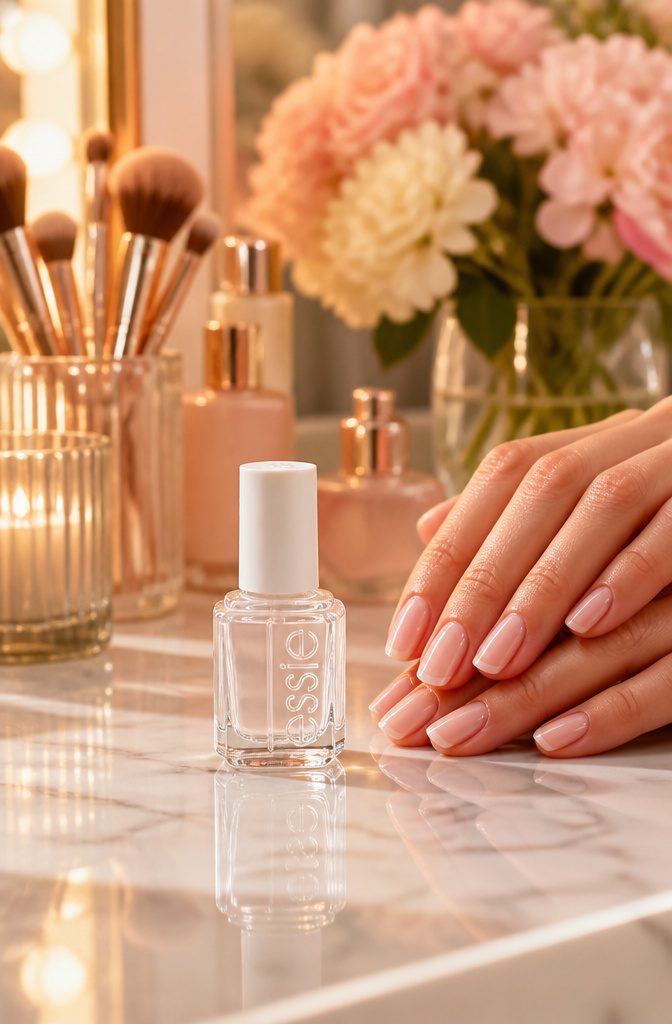
Biotin sits in an odd middle ground in nail care. It builds strength over time, but does so quietly, and Essie Strong Start Base Coat leans on that restraint.
The formula treats biotin as its active ingredient, not a marketing footnote, and the payoff is a gradual reduction in chips, breakage, and peeling rather than an overnight hardener.
Where this lands between treatment and base gets interesting. Essie Strong Start does the adhesion work you want from a base coat, while the biotin content keeps nails conditioned underneath.
For someone whose manicures fail at the free edge or who notices surface splitting, that dual role saves a step. The strengthening is real but incremental; your nails get tougher the more you use it, not after one coat.
Skip it if you need dramatic repair. Anyone recovering from acrylic damage, dealing with pronounced ridging, or struggling to keep dark polishes from staining will want a dedicated treatment or a ridge-filler instead.
Those problems live outside biotin’s quieter lane. But for the everyday manicure that just needs to last longer without peeling at day three, Essie Strong Start earns its spot between vanity and care.
7. Best Two-in-One Base and Top Coat
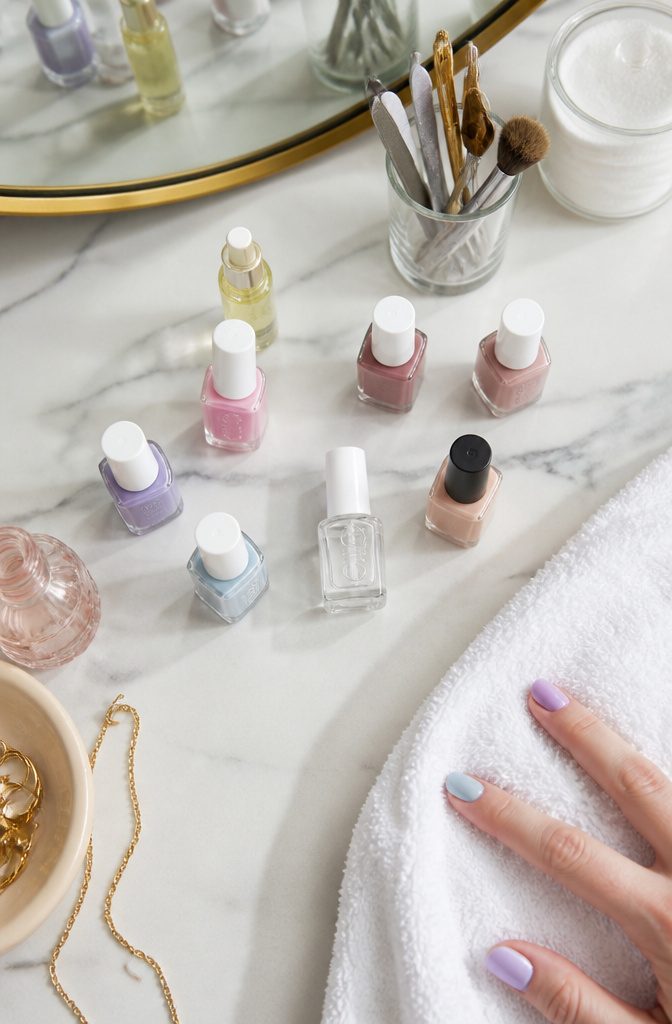
A good two-in-one trades perfection for speed, which is exactly what normal nails need when the goal is ten clean fingers and out the door.
Essie’s All in One Base and Top Coat works as both anchor and seal in a single layer bookending your color of choice, and for nails without splits, ridges, or peeling, that elimination of one full dry cycle genuinely halves manicure time.
The convenience holds up fine through a standard work week, and I reach for it on Sunday nights when Monday starts too early for a full ritual.
Skip this if your nails are already damaged.
Split layers or a post-acrylic recovery need the focused adhesion or strengtheners that a multitasking formula spreads too thin to deliver. The same goes for anyone counting on a full fourteen-day chip-free stretch.
Dedicated base and top coats still outperform a hybrid for raw longevity. This is a time-saving tool for low-maintenance nails, not a repair kit or a marathon solution.
8. Best Ridge-Filling Base Coat
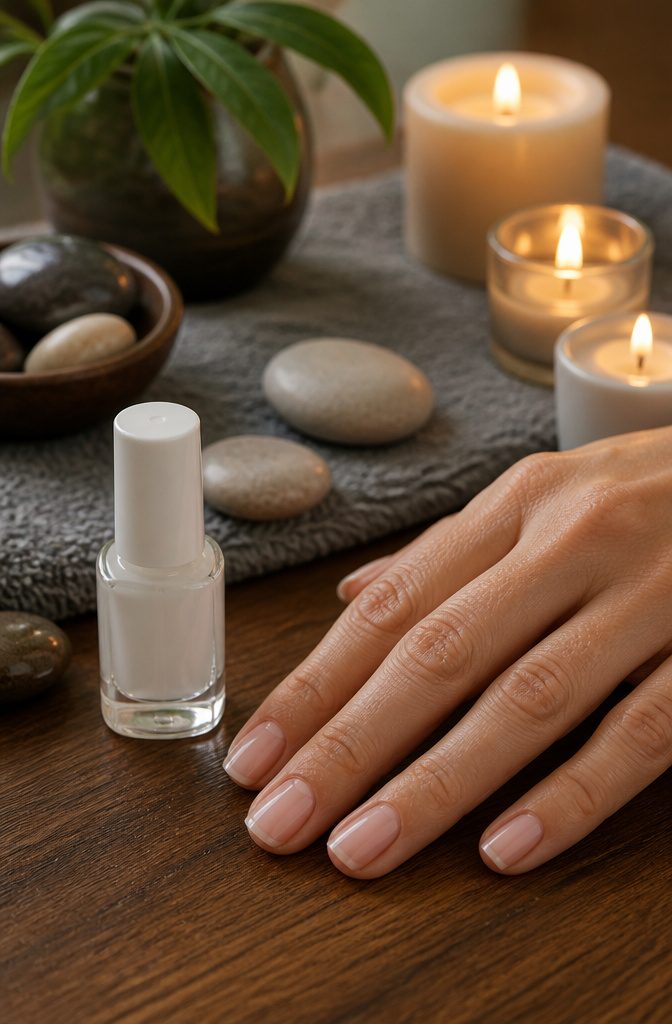
Ridged nails catch polish unevenly, and a standard base coat does nothing to level them.
Smooth-e solves this with a ceramide infusion that deposits into the grooves during the first pass, creating a flat surface before color ever touches the nail.
Someone with pronounced vertical ridges or nails that have thinned with age will notice the difference immediately: swipes of red that used to look rippled now sit like enamel.
The tradeoff is real thickness. A nail that is already smooth gains a layer it does not need, and polish can actually lift faster from that added bulk.
I skip this on my healthier nails and reserve it for the two that stayed ridged after a gel removal last spring.
If you can barely feel texture when you run a finger across the bare nail, you do not need a ridge-filler; a regular base coat saves you a step.
Why Base Coats Matter
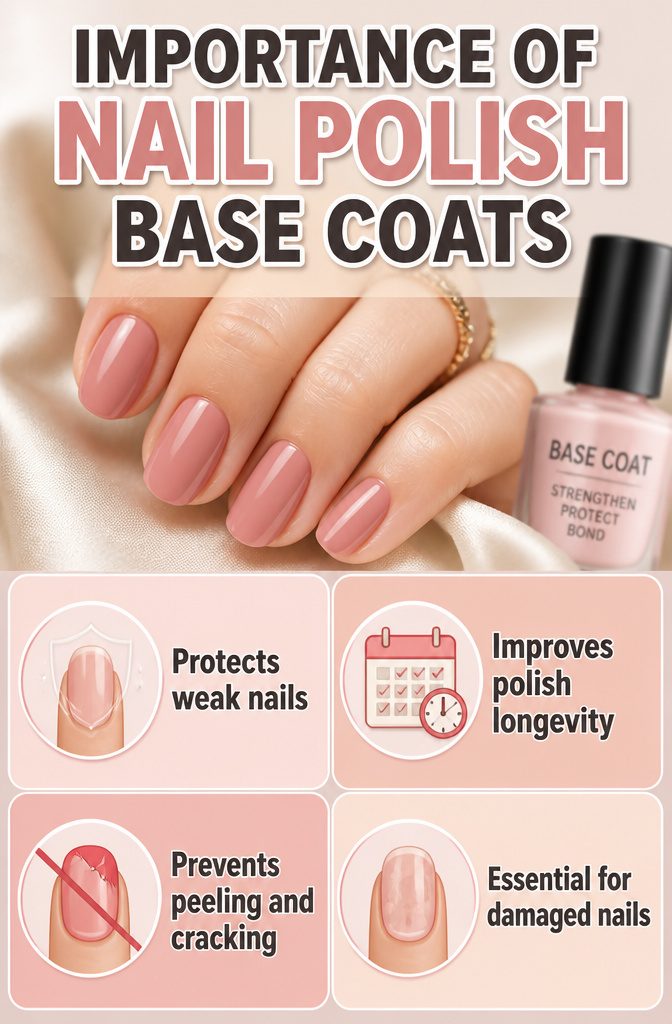
A base coat does more than prep the nail for color. The best formulas act like a protective foundation, reinforcing weak or brittle nails while helping polish adhere better so your mani stays flawless for days.
Skipping this step leaves polish prone to peeling, cracking, or splitting, especially if your nails already lean thin or you regularly reach for gel.
The right base coat can also extend manicure longevity by gripping color more tenaciously, which matters for anyone whose polish chips by day two.
For oily nail beds or nails already showing damage, this layer becomes the unsung hero that keeps a DIY routine from falling apart mid-week.
I used to treat base coat as optional until I tracked how consistently my color lifted without it; the difference in wear time made the extra sixty seconds non-negotiable.
Whether you need strengthening, smoothing, or simply a better bond between nail and lacquer, the category has narrowed to formulas worth the shelf space.
What to Look For in Ingredients
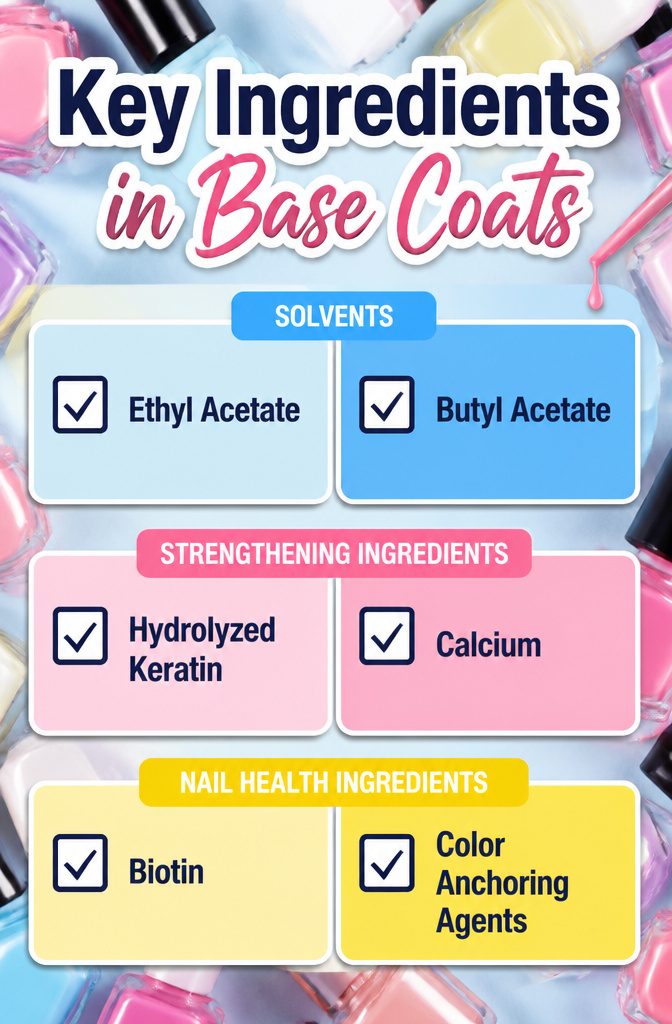
The solvents ethyl acetate and butyl acetate carry pigment across the nail plate, then evaporate to leave film-forming agents locked in place.
What convinced me, reading through dozens of labels, is that without these two, a base coat never truly grips: polish slides or pools instead of anchoring.
For strengthening, hydrolyzed keratin penetrates thin, splitting nails to replace the protein they’ve lost.
The Nail Essentials by ASP formula leans on this hard, pairing it with calcium for reinforcement between manicures. Used daily during a polish break, it can pull brittle nails back from breaking.
Biotin works differently.
The Essie Strong Start approach uses it as the active ingredient to reduce chips, breakage and peeling over time with regular use. It’s a slower build, not a rescue mission.
The judgment call comes down to damage type.
Hydrolyzed keratin suits nails already cracking; biotin fits those keeping length but losing strength. Neither ingredient appears in every formula, so checking the back of the bottle before buying matters more than the front label promises.
Base Coat vs. Undercoat
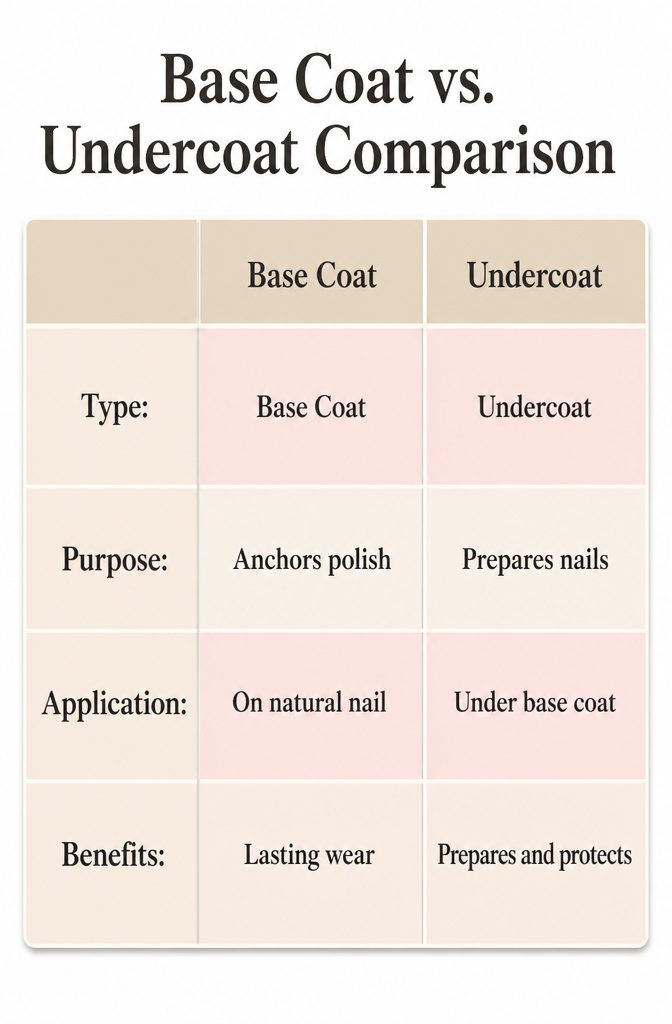
A base coat and an undercoat are not the same thing, though plenty of tutorials use the words interchangeably and leave you with lifting or stained nails wondering why.
A base coat adheres to the natural nail and builds the foundation for your polish.
It is the layer color actually sits on, and its job is improving wear time, blocking stains, and helping the manicure last through dishwashing and typing without peeling at the free edge.
An undercoat is the broader category: anything applied underneath color before that base coat ever touches the nail.
This means treatments, primers, bonding agents, and nail dehydrators used during prep. The undercoat stage is about preparing and protecting, not anchoring polish.
Skipping the distinction matters more than most people realize.
A dehydrator or ridge-filling treatment goes on first as an undercoat; the base coat follows to grab the color. Reversing them or picking a product that claims to do both in one bottle usually means neither job gets done well.
Frequently Asked Questions
Do you need a base coat for your nails?
Yes, if you want your manicure to last longer. A base coat is formulated so color grips the nail plate instead of slipping or peeling, and most formulas also protect against staining and support nail health.
The only exception is some gel polishes that ship with the base coat built into the formula.
What ingredients should you look for in base coats?
Ethyl acetate and butyl acetate are the solvents that let pigment spread and then evaporate so film-forming agents lock in place; without them, polish never truly anchors.
For strengthening, hydrolyzed keratin replaces protein in thin, splitting nails, while biotin works more gradually to reduce chips and breakage over repeated use.
What’s the difference between a base coat and an undercoat?
A base coat is the specific layer that adheres to the natural nail and creates the foundation for polish to sit on, improving wear time and blocking stains.
An undercoat is anything applied underneath color before that stage, including treatments, primers, bonding agents, and dehydrators used during prep.