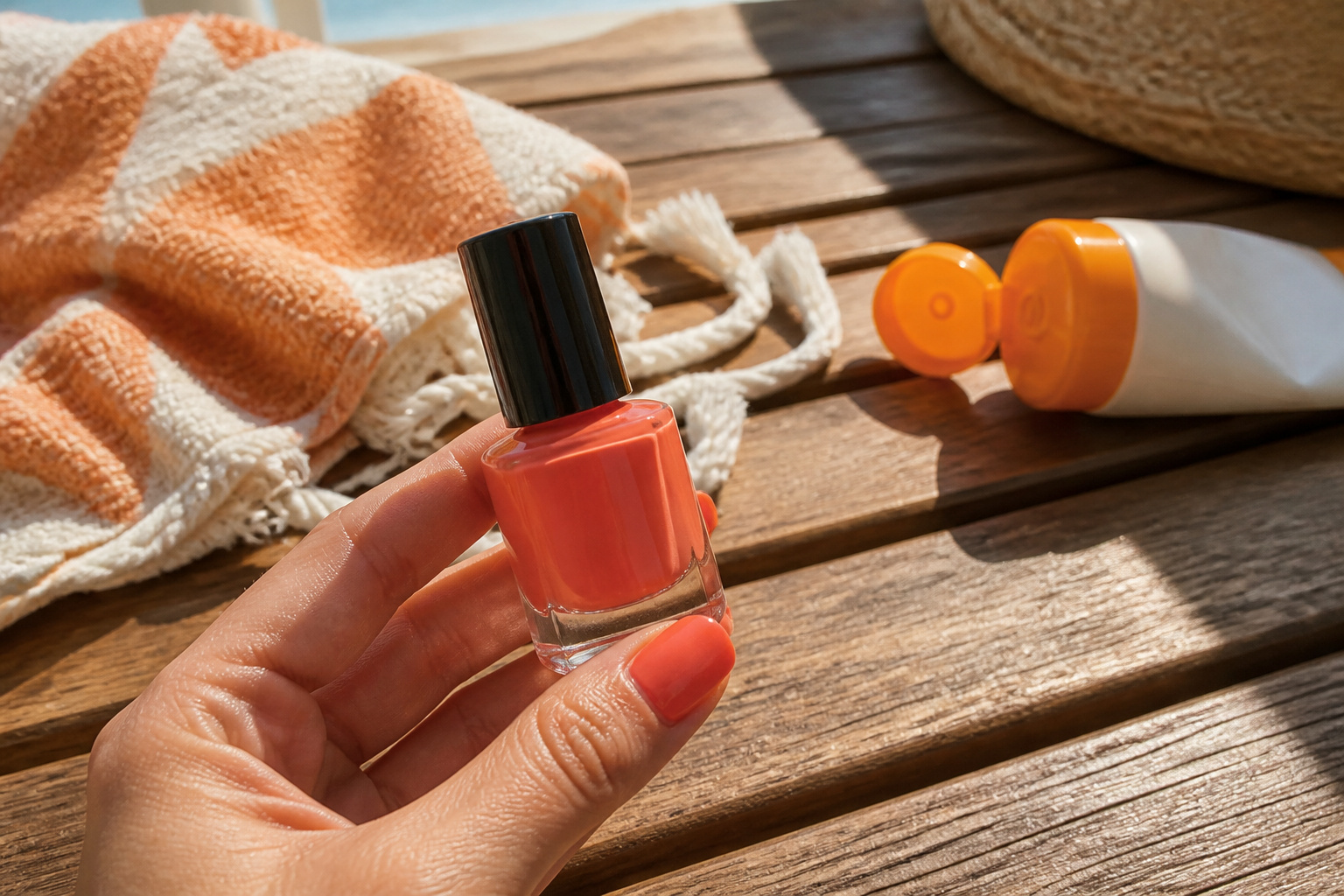
A clean manicure after sunscreen contact takes six specific moves and about ten minutes, but only if you catch the mistake before warm water makes it worse.
The real damage comes from chemical filters like avobenzone and oxybenzone, which literally reverse the polish drying process by attacking the plasticizers underneath the glossy surface.
That glass test on a compact mirror is worth the extra two minutes: it tells you whether your exact sunscreen and your exact lacquer can coexist before you ever leave the house.
1. Identify the Problem
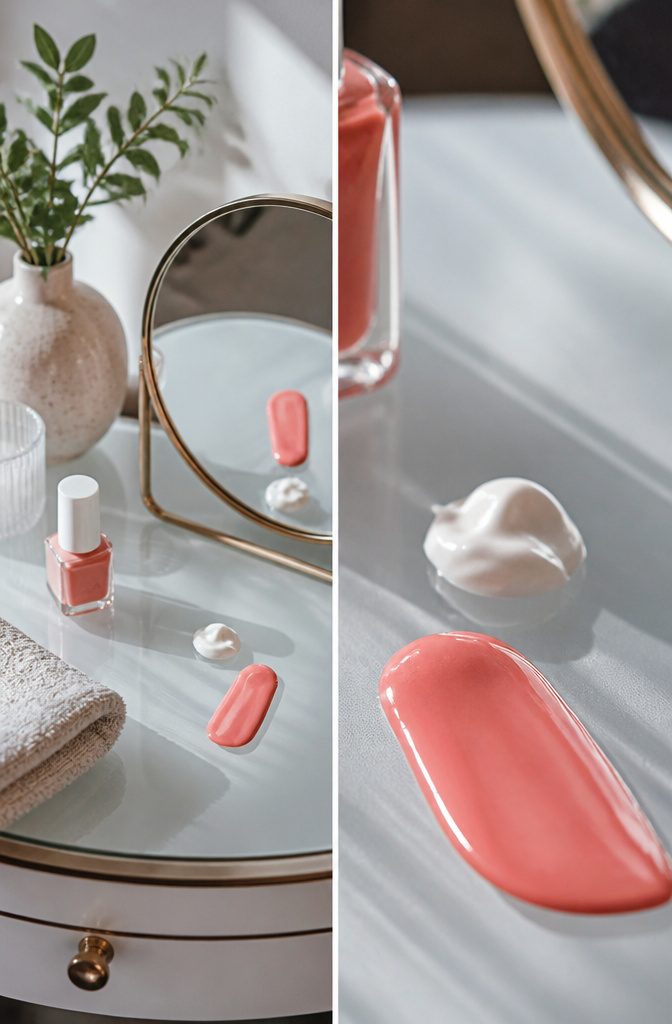
Not every sunscreen wrecks every manicure, and testing first saves the heartbreak of finding out mid-vacation. Paint a swatch of your exact polish on glass, an empty bottle, or the back of a compact mirror and let it cure fully.
Dab your sunscreen on top, wait 10 minutes, then press gently with a fingertip. Softening or tackiness means that formula and that lacquer are incompatible.
The chemical filters avobenzone and oxybenzone are the usual culprits behind this breakown.
Both absorb UV light effectively, but they also attack the plasticizers and bonds that keep nail polish hard and glossy. When that film turns semi-liquid again, you are not imagining things; the sunscreen is literally reversing the drying process.
Some brands and bases hold up fine against these actives, which is why the glass test matters more than any general warning.
The pass means you can apply normally. The fail means you need a barrier method, like slipping on a self-tan mitt before rubbing sunscreen in, to keep the two from meeting at all.
2. Ensure Dryness
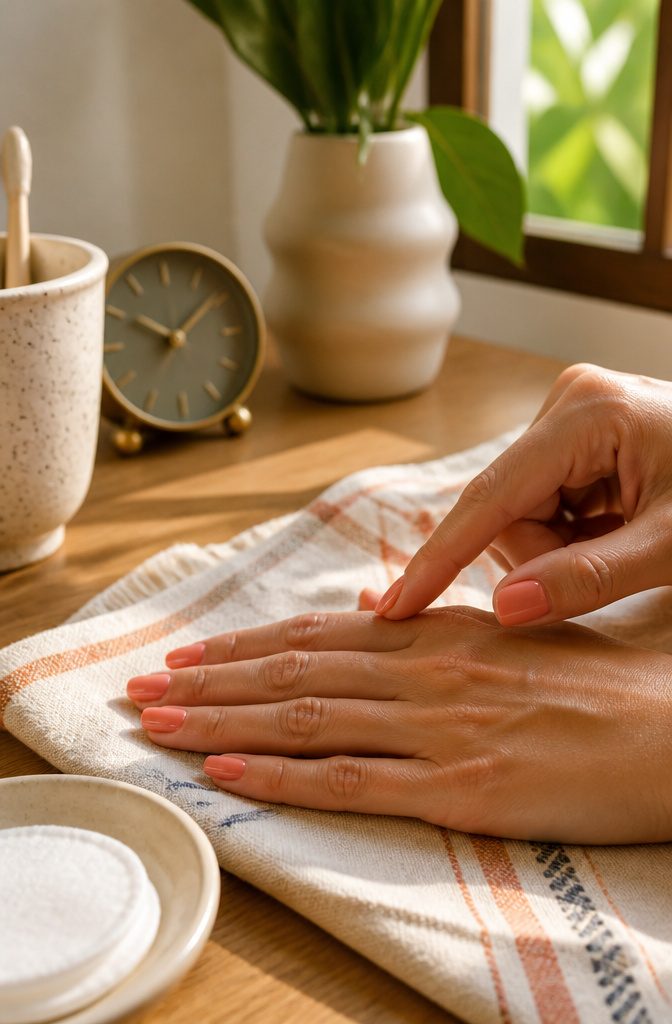
Polish that hasn’t fully hardened is basically bait for everything in sunscreen that wrecks a manicure.
The avobenzone and oxybenzone in SPF formulas, along with alcohols and oils, act as mild solvents. A tacky surface lets those ingredients start breaking chemical bonds before the lacquer ever had a chance to set.
The fingertip test takes ten seconds.
Press lightly to the edge of a nail; if skin leaves any mark or the bed still feels cool, step away from the sunscreen. That coolness means solvent is still evaporating, and the finish remains semi-liquid underneath.
Gel polish cured under UV light hardens faster and tighter than regular lacquer, so it generally wins on patience.
Air-dry formulas need a full 15–20 minutes minimum, and humidity or thick coats stretch that further. Two thin layers beat one heavy coat here; the surface dries faster and the whole film cures harder, less vulnerable when oxybenzone inevitably gets close.
3. Apply Sunscreen Carefully
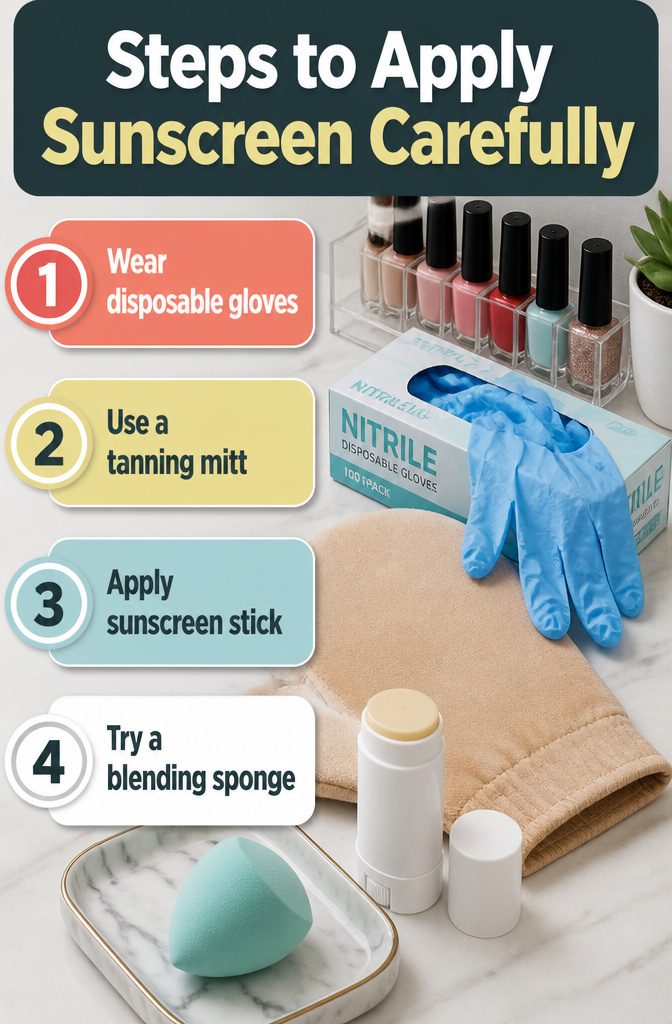
The best way to skip the whole repair job is to keep sunscreen off the polish in the first place. Disposable gloves are the simplest barrier, and the thin nitrile ones sold in bulk boxes work fine for lotion application.
A tanning mitt sits a little more naturally in the hand if you’re coating arms and legs, and both keep the product off your fingertips entirely.
For the face, neck, and spots close to the hands, a sunscreen stick gives you the control to run right up to the nail bed without brushing the polish itself.
I tried a blending sponge pinched between two fingers once after reading about the method, and it does let you dot and blend around the knuckles neatly, though sponges soak up more product than they deposit so you may need a second pass.
4. Remove Residue
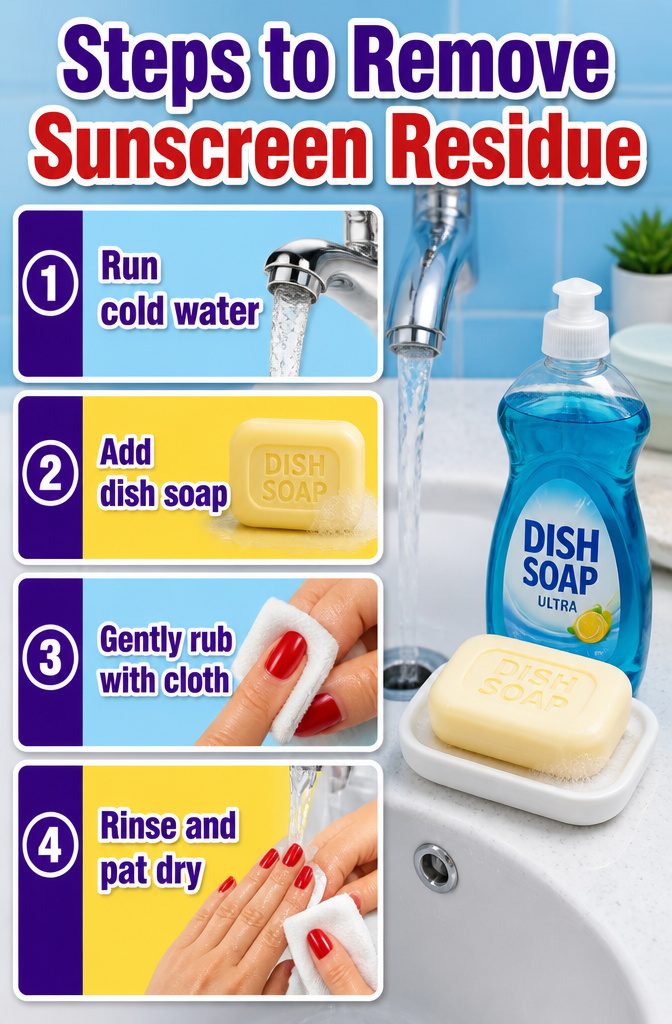
Dish soap and cold water are the first line of defense when sunscreen lands on fresh polish.
The soap cuts through the oily UV filters like avobenzone and oxybenzone that cause the sticky "melt," while cold water hardens the polish back up before the solvents can do worse damage.
Run the tap cold, add a drop of plain dish soap to a soft nail brush or lint-free cloth, and work gently over the nail surface.
The motion matters: light rubbing lifts the residue, scrubbing grinds it in and risks dulling the finish. Rinse with more cold water and pat dry.
Warm water will reactivate the reaction, softening the polish all over again and giving the sunscreen ingredients another chance to break down the lacquer. Save the hot tap for later.
5. Use Appropriate Removers
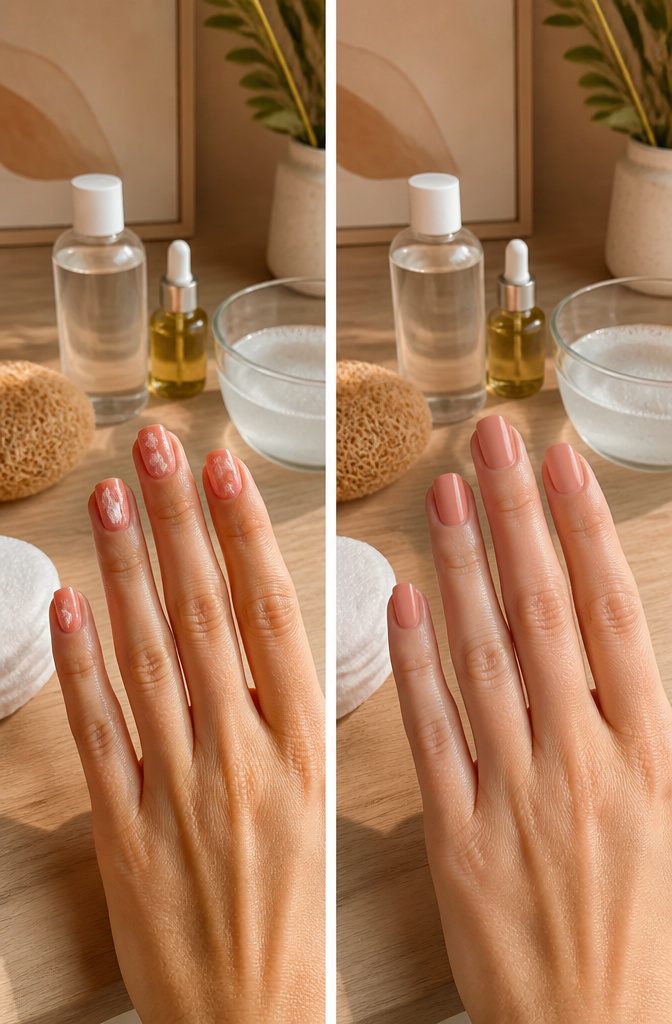
The wrong remover will finish what the sunscreen started.
Acetone-based polish remover strips the color outright, and even the non-acetone formulas often carry solvents that soften the finish and leave the surface cloudy. I learned this the hard way watching a fresh manicure turn dull in seconds.
Oil dissolves oil without attacking the lacquer. A drop of cuticle oil, or even olive oil from the kitchen, lifted with warm soapy water, breaks down the avobenzone and oxybenzone residue that chemical sunscreens leave behind.
Gentle micellar water on a cotton pad works too, though it takes a bit more patience.
The point is to dissolve the sunscreen, not the polish itself, so skip anything whose job is to break down nail color and reach for what softens skin instead.
6. Seal with Topcoat
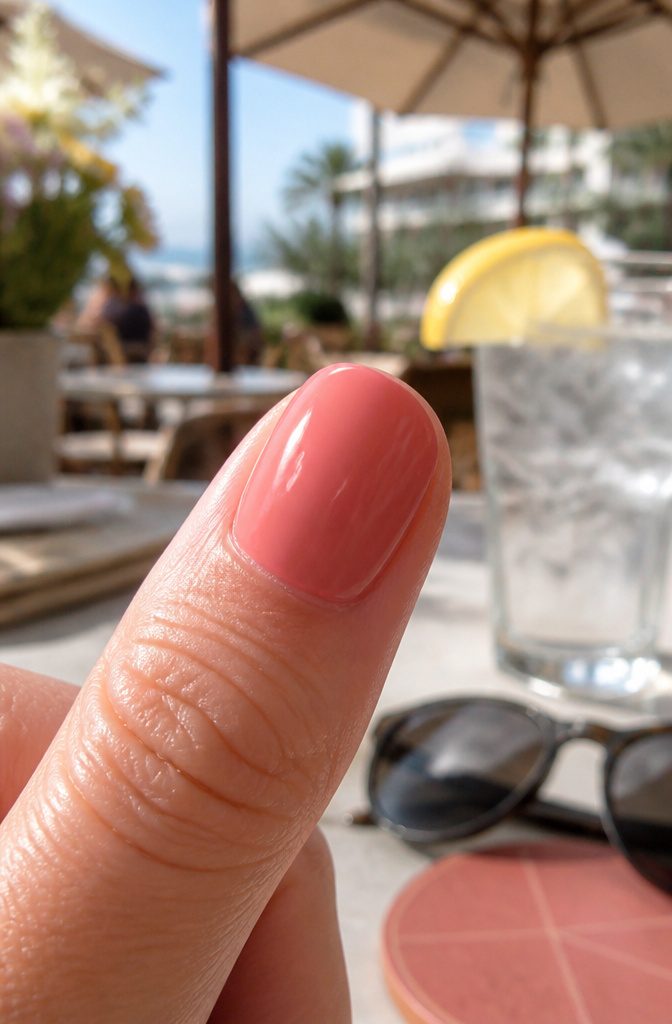
A hard, high-shine topcoat sold as sun-resistant or UV-protective sits on the surface like clear armor. The thicker film leaves fewer microscopic gaps for avobenzone and other chemical filters to slip through and react with the pigment underneath.
That barrier is strictly preventative, not a rescue after white splotches already form, so this step belongs at the end of a fresh manicure, not during the panic of cleanup.
Reapplying that shield every two to three days matters more than the first coat. Normal wear thins the film, and hands take a beating from hot water, keys, and bags.
On gel polish the advantage is already baked in: the cured resin resists most solvents far better than standard lacquer, which is why dermatologists’ waiting rooms tend to show ten perfect gel manicures for every two regular ones.
Still, even gel benefits from the extra sacrificial layer. I’ve made the mistake of thinking my gels were invincible and skipped this step during a beach week in July.
The color stayed, but the surface dulled where sunscreen contact was heaviest, and nothing brought that glass back except filing down and starting over.
Gel Polish vs. Regular Lacquer
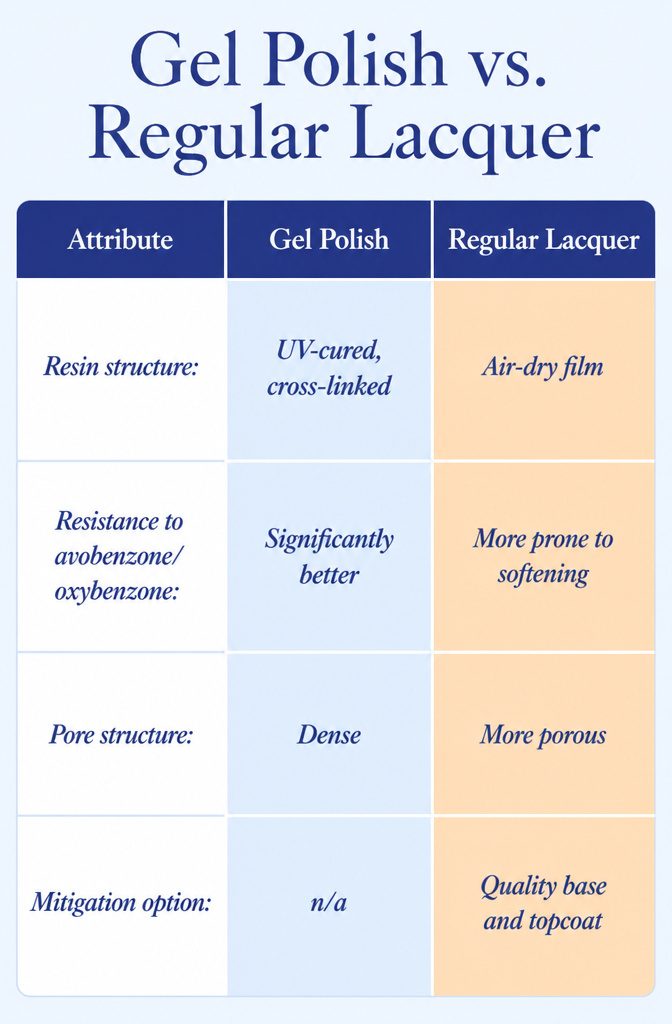
The polished surface you see on gel nails is not paint sitting on top; it is resin cured under UV light into a hard, cross-linked shell.
That structure resists the avobenzone, oxybenzone, and other solvents in sunscreen far better than regular air-dry lacquer.
Regular polish remains more porous, and its plasticizers soften when those same ingredients break down chemical bonds. A quality base and topcoat helps, but not enough to close the gap entirely.
| Attribute | Gel Polish | Regular Lacquer |
|---|---|---|
| Resin structure | UV-cured, cross-linked | Air-dry film |
| Resistance to avobenzone/oxybenzone | Significantly better | More prone to softening |
| Pore structure | Dense | More porous |
| Mitigation option | n/a | Quality base and topcoat |
When I choose polish for pool weekends or reapplication days, this table is the deciding factor. Gel is not fashionable preference; it is material Armor.
What Sunscreen Ingredients Do to Polish
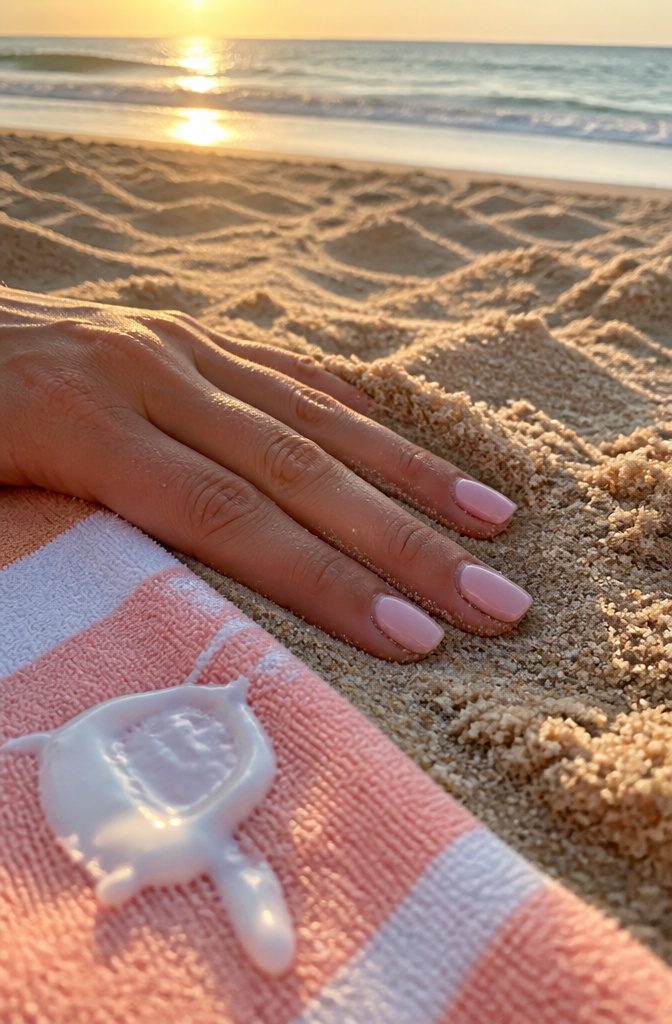
Alcohols and certain UV filters in chemical sunscreens are the real culprits behind ruined manicures.
These ingredients seep through the topcoat and into the polish film itself, where they swell or dissolve the resin binders that hold the whole layer together.
What starts as a little tackiness can turn into clouding, and in worse cases the polish lifts entirely off the nail. The "melt" effect turns the hard finish back into something semi-liquid again.
Mineral sunscreens behave differently but still cause headaches.
Zinc oxide and titanium dioxide are much less reactive with the polish resins, so you avoid the softening and lifting. They do, however, leave a stubborn white film that sits on the surface and refuses to wipe away clean.
That film is easier to fix than dissolved polish, but it still means extra work at the end of a beach day.
Tools That Keep Sunscreen Off Nails
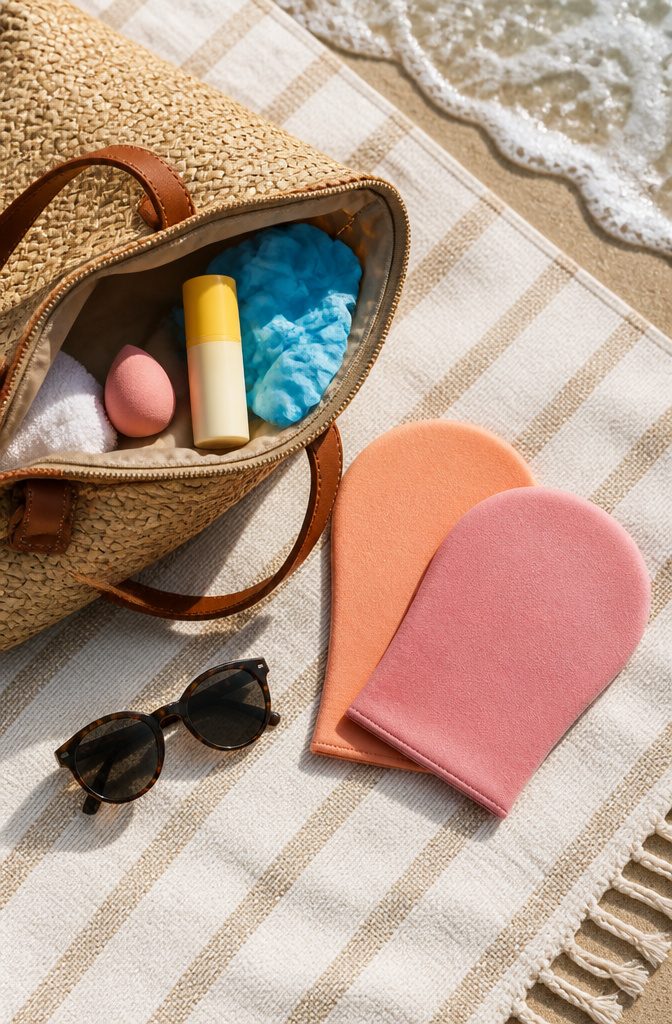
A few tools can keep sunscreen off your nail polish entirely if you build them into your routine.
- Sunscreen sticks give direct placement without touching the tips of your fingers. Most run $8–$12 and work best for face, shoulders, and any spot where precision matters. I keep one in my beach bag just for touch-ups along my hairline.
- Blending sponges, the same type you use for foundation, rub lotion into skin with zero finger transfer. The sponge absorbs the product instead of your palms, and it costs basically nothing if you already own one.
- Disposable gloves cover the whole hand when you need to spread sunscreen fast across arms or legs. A box of fifty runs a few dollars. I use them on pool days when I am reapplying every two hours and do not want to think about residue.
- Tanning mitts, usually meant for self-tanner, also work for body sunscreen. The microfiber surface spreads product evenly and keeps both the back of your hand and your nails completely clean. Most mitts cost $6–$10 and rinse out for reuse.
Frequently Asked Questions
How can I protect my nail polish from sunscreen?
Use a barrier method like disposable nitrile gloves or a tanning mitt, or apply with a sunscreen stick that lets you run right up to the nail bed without touching the polish.
For regular lacquer, a hard, sun-resistant topcoat and a fully dry manicure add extra protection. Gel polish is already far more resistant because its UV-cured resin structure shrugs off the solvents that melt air-dry lacquer.
What should I do if my nails become sticky from sunscreen?
Wash them immediately with dish soap and cold water. The soap cuts through oily UV filters like avobenzone and oxybenzone, while cold water hardens the polish back up before the solvents can do worse damage.
Rub gently with a soft brush or lint-free cloth; scrubbing grinds residue in and dulls the finish. Never use warm water, which reactivates the softening reaction.
Can I use acetone to remove sunscreen from my nails?
No. Acetone strips the color outright, and even non-acetone removers often carry solvents that cloud and soften the finish.
Use oil instead, a drop of cuticle oil or olive oil breaks down the sunscreen residue without attacking the lacquer, then lift it with warm soapy water.
Gentle micellar water on a cotton pad works too, though it takes more patience.