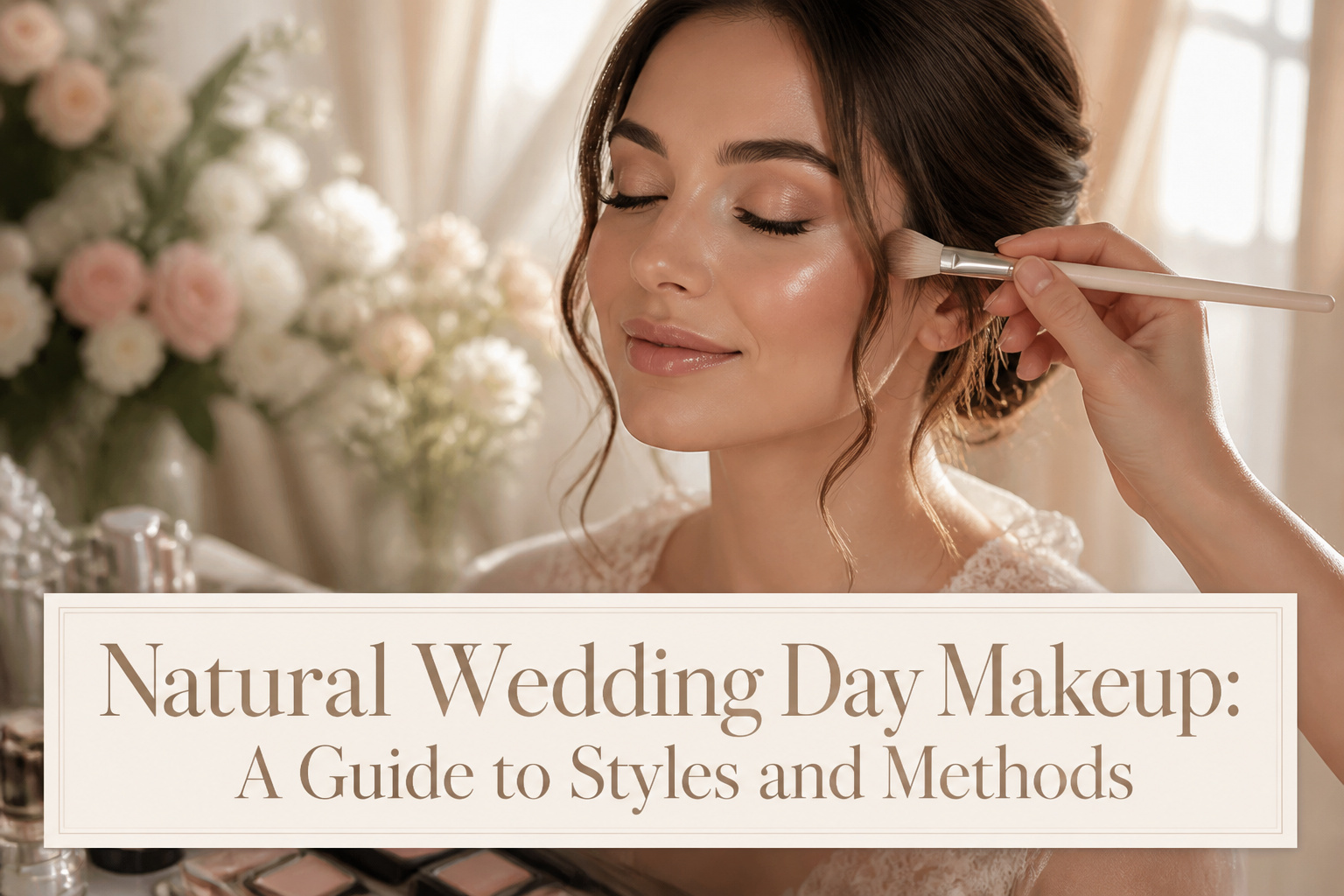
Natural wedding day makeup is skin that still looks like skin, only calmer and more luminous, but that finish only holds if the groundwork starts two to three weeks before the ceremony itself. The real work happens in advance: chemical exfoliation to clear dead cells, then a hard pivot to hydration in the final week so foundation grips without masking. A hydrating primer the morning of closes the loop, and the bride who skipped the prep arrives with a canvas that demands correction rather than enhancement.
Skin Preparation
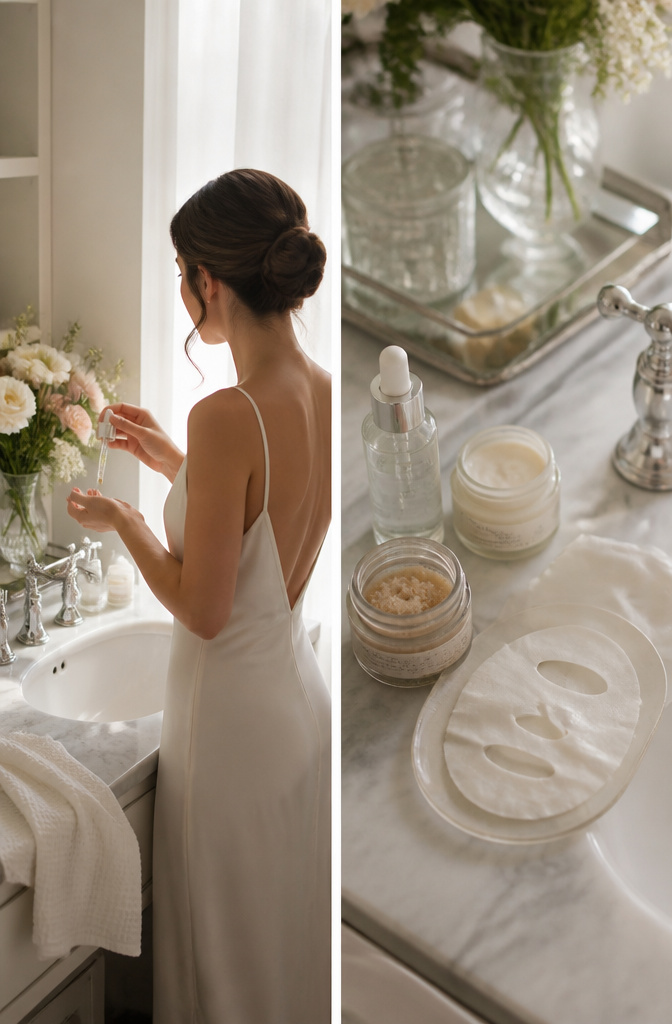
Natural wedding makeup has nowhere to hide. Every patch of dry skin and every uneven pore shows through, because the goal is skin that looks like actual skin, only better. That only works if the groundwork starts two to three weeks before the wedding itself.
The exfoliation phase matters most in that first block. A chemical exfoliant, an AHA or BHA, used two to three times each week, removes the dead cell layer sitting on top. Without that buildup in the way, moisturizers and serums actually reach living skin instead of sitting on debris. The caveat is stopping that exfoliant one week out; fresh exfoliated skin right before a long, emotional day is a recipe for sensitivity and redness that the makeup will not cover well.
That final week shifts to hydration instead. A serum and moisturizer built around hyaluronic acid, glycerin, and peptides are what get the plump, dewy surface that reads as healthy rather than made-up. A hydrating mask the night before helps if dryness is a persistent concern. The target is skin that feels supple, not tight.
Morning-of, a hydrating primer closes the loop. It smooths remaining texture and creates a barrier between skin and makeup. Foundation grips better, lasts longer, and sits lighter; the bride gets longevity without the masking effect of heavier coverage.
The earlier the routine starts, the less correction the makeup has to do. Natural bridal makeup is ultimately a report card on the weeks that came before it; the wedding morning is far too late to make a genuine difference.

ADVANCED EXFOLIATION: AHA 30% + BHA 2% Peeling Solution deeply exfoliates to reveal brighter, smoother skin.

Gentle Exfoliating Toner: Formulated with AHA, BHA, and Purifying Botanical Ingredients, our toner improves skin texture, skin vitality, and control pores.

AHA BHA PHA TONER FOR BLEMISH-PRONE SKIN Looking for a toner for blemish-prone skin? Formulated with AHA, BHA, and PHA to support smoother-looking skin.
Choosing Products
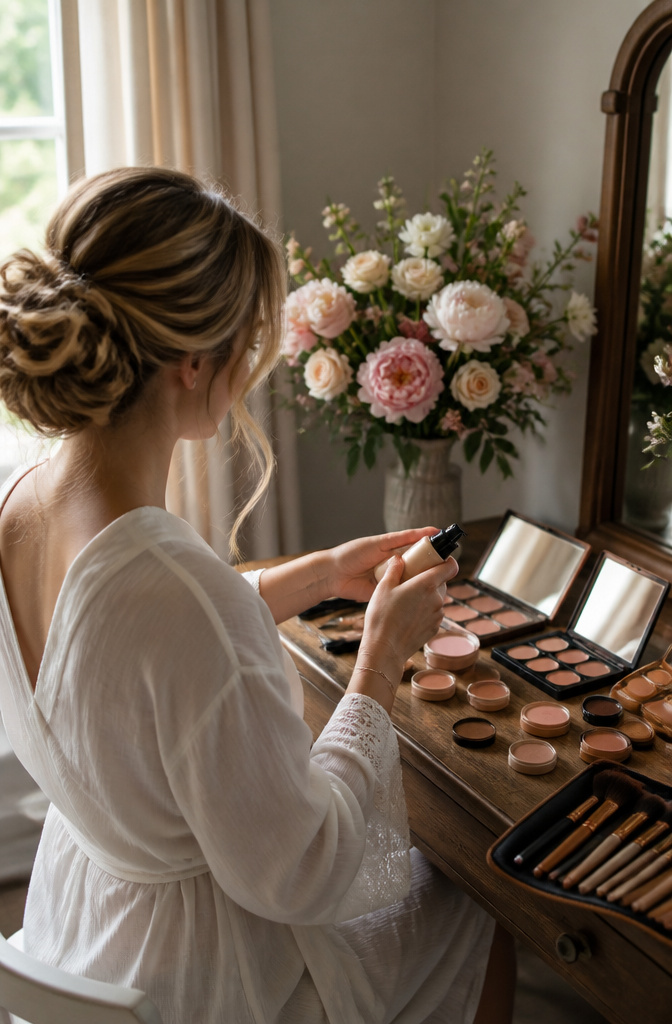
A lightweight foundation or skin tint wins over full coverage for a natural wedding day look. The point is to even out tone, not erase it, so freckles and natural texture still show through. The sources lean toward applying it only where needed, the T-zone and any trouble spots, with cheeks and temples left bare. That restraint reads as your own skin, just calmer.
Cream blush and bronzer blend in where powder can turn chalky, especially under camera light. That seamless, skin-like finish is what photographers call looking like yourself at a higher resolution. Stick to neutral, warm-toned shadows, matte or soft shimmer, nothing too shiny or dark, which the eye reads as heavy fast. A skin-toned liner on the waterline opens the eye without announcing itself.
Skin type still matters. Oily skin may need a luminous setting spray layered through the application rather than powder to set, lest you trade glow for flatness. Dry skin drinks in cream textures, but the wrong formula can slide by hour six. The compromise is usually a cream product with a sheer base, set with minimal sprayed fixative rather than packed powder.
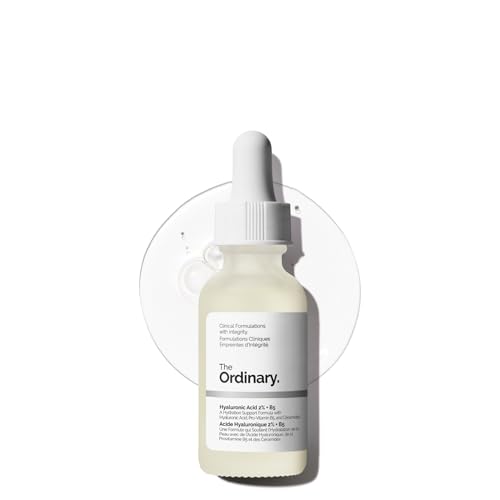
INSTANT HYDRATION: Provides immediate, long-lasting hydration for smoother, plumper, and healthier-looking skin.

[ HYALURONIC ACID SERUM ] CeraVe Hydrating Hyaluronic Acid Serum for Face is formulated with our highest concentration of hyaluronic acid, an ingredient that helps retain skin’s natural moisture. Helps skin appear more hydrated and smoother.

DEEP, LASTING HYDRATION: Hyaluronic acid serum that delivers deep hydration to plump the appearance of fine lines and leave skin looking smooth.
Application Techniques
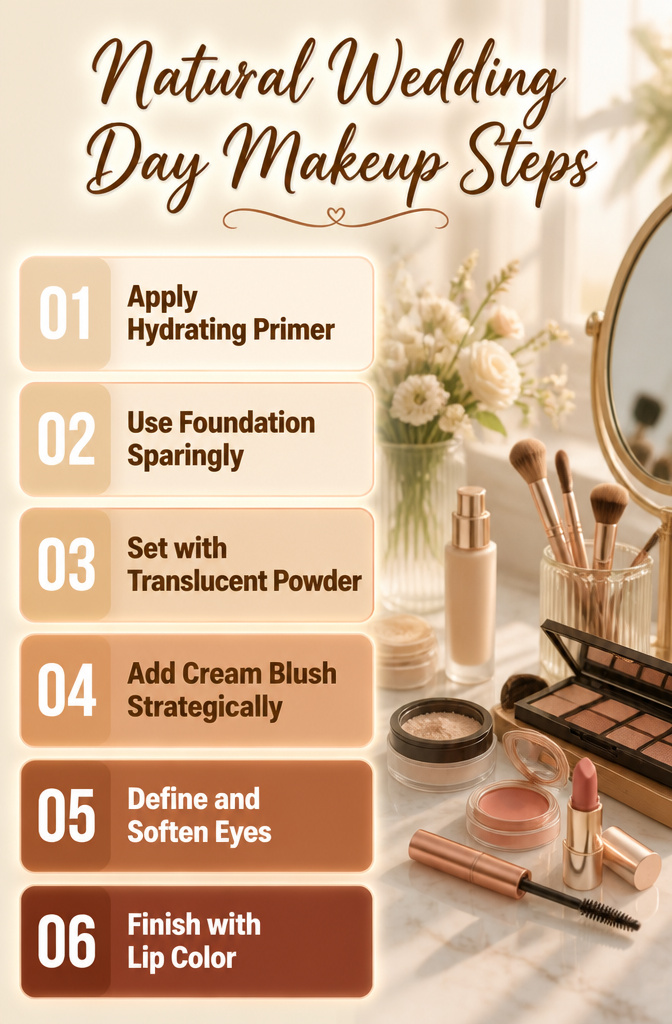
The order matters more than the products. Start with a hydrating primer so foundation has something to grip, then apply foundation only where skin actually needs it, not as a mask. Set with translucent powder on those specific spots, nowhere else, or the finish goes flat.
Cream blush comes next, and this is where the extra step pays off. Makeup artist Patinkin advises bridal clients to wear about 20% more blush than usual so the camera and distance don’t wash them out. The technique wins it: brush onto the apples, then buff up across cheekbones to temples so color reads as blood under skin, not paint on top.
"I always advise my bridal clients to wear about 20% more blush on their wedding day than they would otherwise to help ensure that they don’t look washed out."
— Allure
That extra pigment only works if the edge disappears into your foundation. Same rule for brows, eyeshadow, liner: define, then soften. No visible lines at the lash band, no sharp stripe of highlighter. Mascara goes on last among the eye products so lashes stay separated. Lip color finishes the face, tapped in rather than drawn on, so the mouth looks like yours at its best, not someone else’s.

DEEP HYDRATION BOOST: Infused with skin-conditioning ingredients, this hydrating face primer helps moisturize, soft, smooth, and prep skin for seamless makeup application.

SKIN-SMOOTHING and GRIPPING PRIMER: Your makeup. It’s not going anywhere. Prep skin with this gel-based face primer that has the power to grip your makeup while giving skin a natural finish for a smoother complexion.

PRIME + CORRECT + SET: Make It Last Prime + Correct + Set Setting Spray preps your face, reduces the appearance of imperfections and then locks in for the long haul. You can enjoy up to 24 hours without a crease or smudge in sight. Spray before or after makeup application, or wear it alone for a captivating natural finish.
Touch-Up Strategy
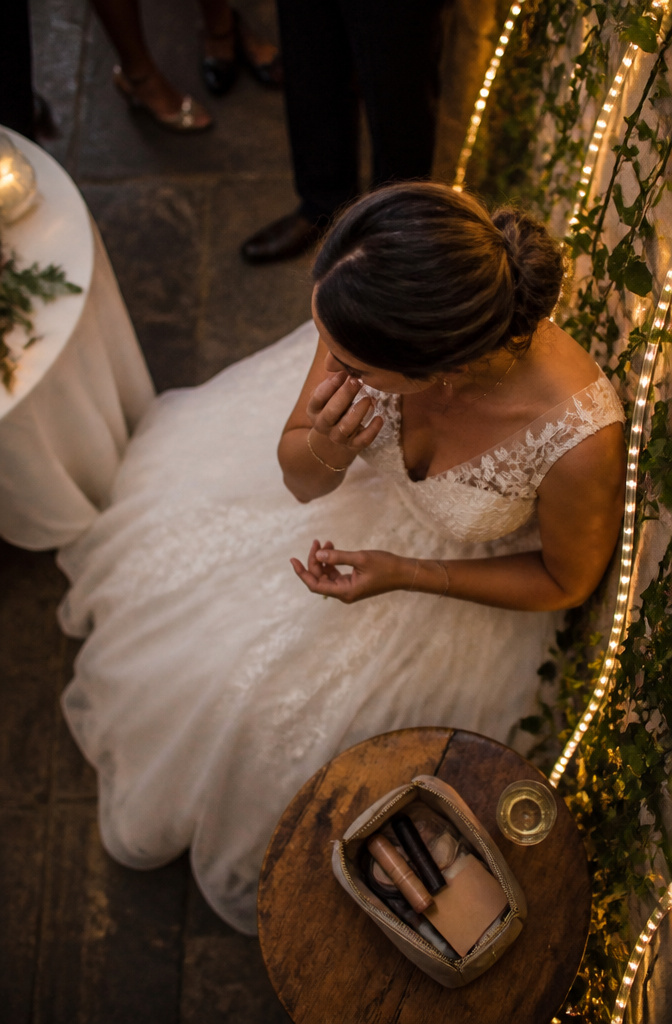
A natural face moves through a wedding differently than a painted one. Sweat and happy tears still happen, but the products sit lighter and lift off easier. The few things worth carrying are the ones that fix a problem without rebuilding the whole look.
Here is what goes in the clutch and when to reach for it:
- Blotting papers, first and always. Press them against shine at the forehead, nose, or chin without dragging anything around. They lift oil but leave the color underneath alone, which means you are not reapplying, just absorbing.
- Lip tint or balm after eating or kissing. A tinted layer brings the mouth back to life without the precision a lipstick demands. The same cream blush stick doubles here in a pinch, which is why the stick format wins over a compact and brush.
- Translucent powder only if blotting papers are not enough. A light dusting at midday can matte down T-zone glow, but the risk of cake rises with every pass. The powder lives in the bag as backup, not hero.
- Cream blush stick for the fade. Color leaves the cheeks faster than foundation on a long day. Dab the stick on the back of a hand, tap it in with a finger, and blend. No extra brush required if you do not travel with one, though a small blending brush does make the edges softer.
Fewer items means fewer chances to overcorrect. The bride who brought her whole bathroom counter ends up at 9 p.m. looking like she did at 9 a.m. plus six layers of panic. The one who packed four things touches what needs touching and stays part of the party.
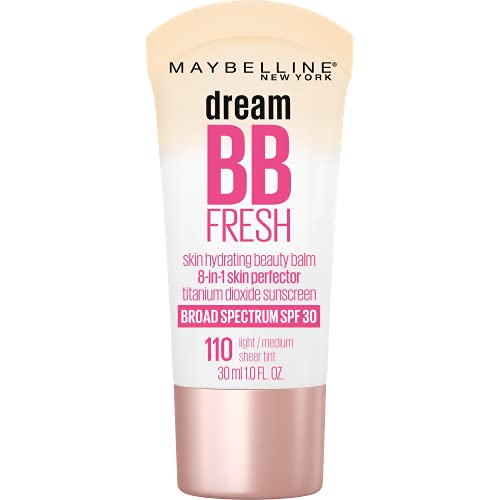
Dream BB fresh 8-in-1 skin perfecting beauty Balm hydrates, protects with SPF 30, brightens, blurs imperfections, smoothens, enhances, is oil-free and available in 5 skin-tone perfecting shades

Tinted Serum with 1% Hyaluronic Acid: Skincare meets makeup. True Match Nude Hyaluronic Tinted Serum instantly brightens and evens skin while it hydrates, for a nude, radiant finish. Skin feels plump and hydrated in a 3-week consumer test.

[ SHEER TINTED 100% MINERAL SUNSCREEN ] Available in 3 flexible tinted shades that blend into a range of skin tones leaving skin with a natural, healthy glow. Formulated with iron oxides for a sheer, flexible tint to offset the white-cast
Final Setting
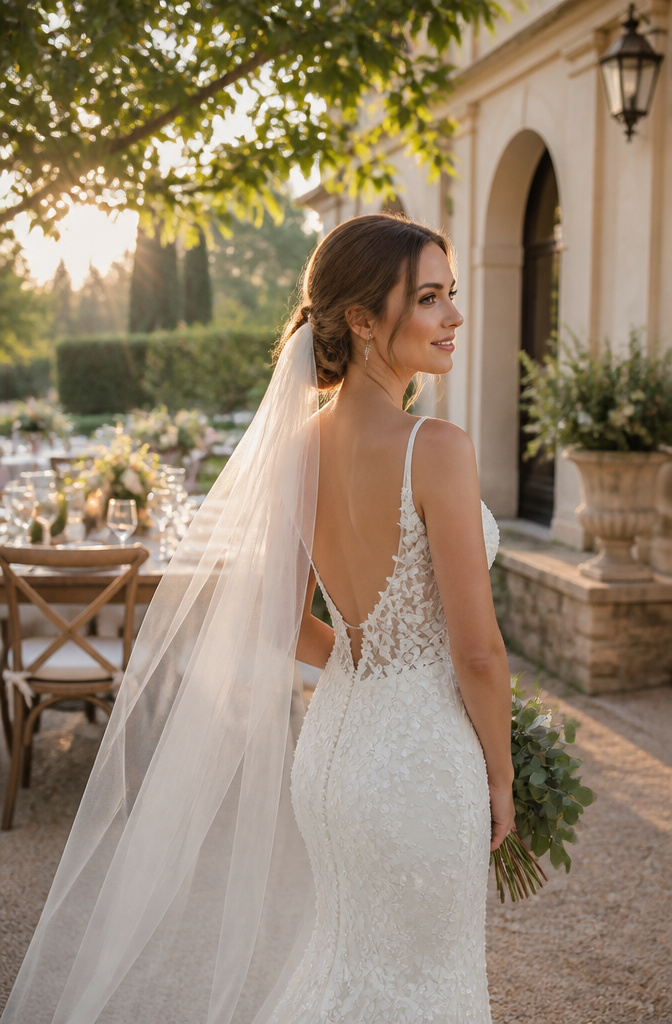
A hydrating setting spray is the last thing that touches your face before you leave for the aisle, and the difference between looking finished and looking done. Powder sets makeup by absorbing oil, which is useful in the T-zone but turns the rest of the face flat and heavy if you use it everywhere. A spray seals without adding texture, letting the skin keep the light it still has.
I lock my own routine with two passes: the first after concealer and cream blush, while products are still workable, and the second after everything else. The first pass creates a film that stops later layers from sliding; the second bonds the whole look together. Between dances and temperature shifts in the venue, that second layer is what keeps the glow from breaking into patchiness. A matte formula fights that goal for natural wedding day makeup. Hydrating versions use glycerin or similar humectants to hold water in the surface rather than sealing it out, so the finish stays skin-like for the hours a ceremony and reception actually take.
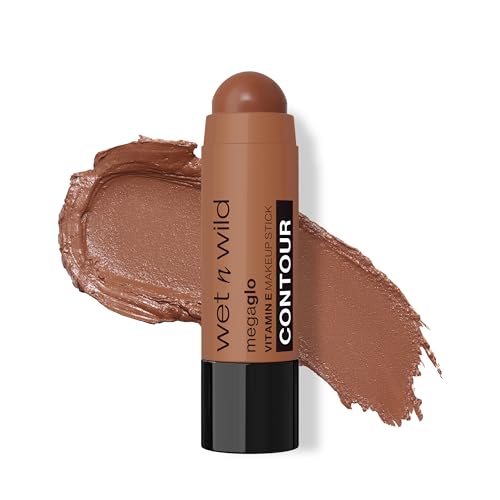
In one swipe you can get catwalk-ready cheekbones, naturally flushed cheeks or an insanely glowy complexion.

VIBRANT, BLENDABLE COLOR: The e.l.f. Monochromatic Multi Stick is a cream-to-powder, wear-everywhere stick that delivers a highly blendable kiss of color.

【Double-Ended Design】 This contouring stick has 2 in 1 stick design. One end is a makeup highlighter stick with light and bright colors, which can brighten the facial features and create a 3D contours; the other end is a dark-colored contouring pen, which helps to reduce the shape of the face and make the face more three-dimensional.
Barely-There Natural
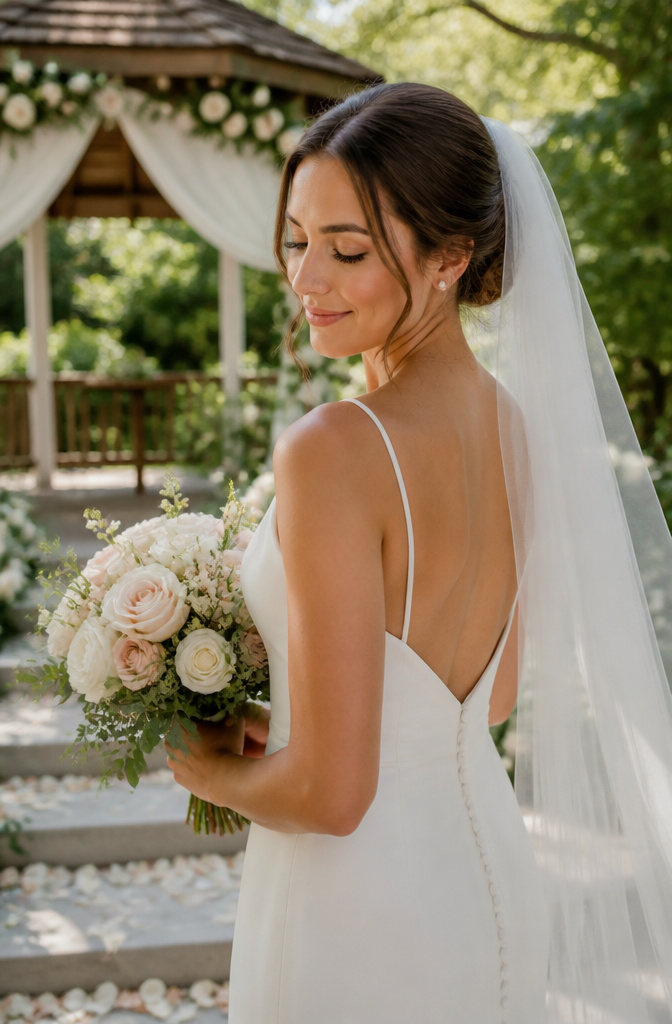
This is the minimalist end of wedding day makeup natural: true skin tone showing through, a neutral lip that reads as your own color slightly deepened, brows defined enough to hold expression, and little else. No blush contour, no obvious shadow.
It flatters brides who already have the skin for it. A clear, reasonably even complexion means concealer takes over foundation entirely, which is exactly the distinction here. That targeted approach, brightening under the eyes and softening redness exactly where it sits, keeps the finish weightless while still registering as polished in person.
The photography tradeoff is real. Skin transmits dimension and light naturally, which cameras love at close range and in soft daylight. But distance shots at a garden ceremony or outdoor reception, venues like Pelican Club Jupiter where light shifts across the afternoon, can read flatter than a slightly more structured face. The glow that looks like health in a hotel mirror becomes undefined in a wide group shot.
No foundation bridal makeup is not the same as doing nothing. The longevity question, whether this holds through twelve hours, depends on long-wear complexion products layered under strategic powder and setting spray, not on skipping steps. Oily skin still needs that powder in the T-zone during a trial run, and uneven tone needs spot coverage mapped beforehand.
For the bride who wants to look like herself signing the license and herself on the dance floor, this is the bet, but it is a bet with uncertain payoff in every single photo.

CONCENTRATED BHA LIQUID: Formulated with 4% BHA (Betaine Salicylate), this product visibily diminishes enlarged pores and dead skin cells, replacing it with natural radiance while evening out your skin tone.

CLINICALLY SHOWN RESULTS: Our leave-on BHA exfoliant 2% is clinically shown to reduce the appearance of pores, smooth and even skin tone, revealing more radiant looking skin. Based on an 8-week clinical study on 31 subjects
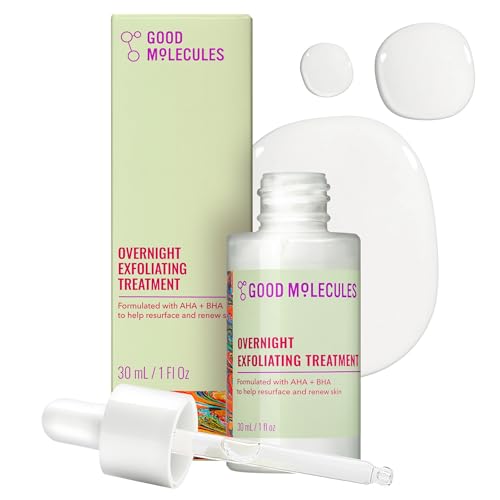
RESURFACE WHILE YOU SLEEP: Overnight exfoliating treatment with AHA and BHA that helps resurface and renew the look of skin.
Glowing Natural
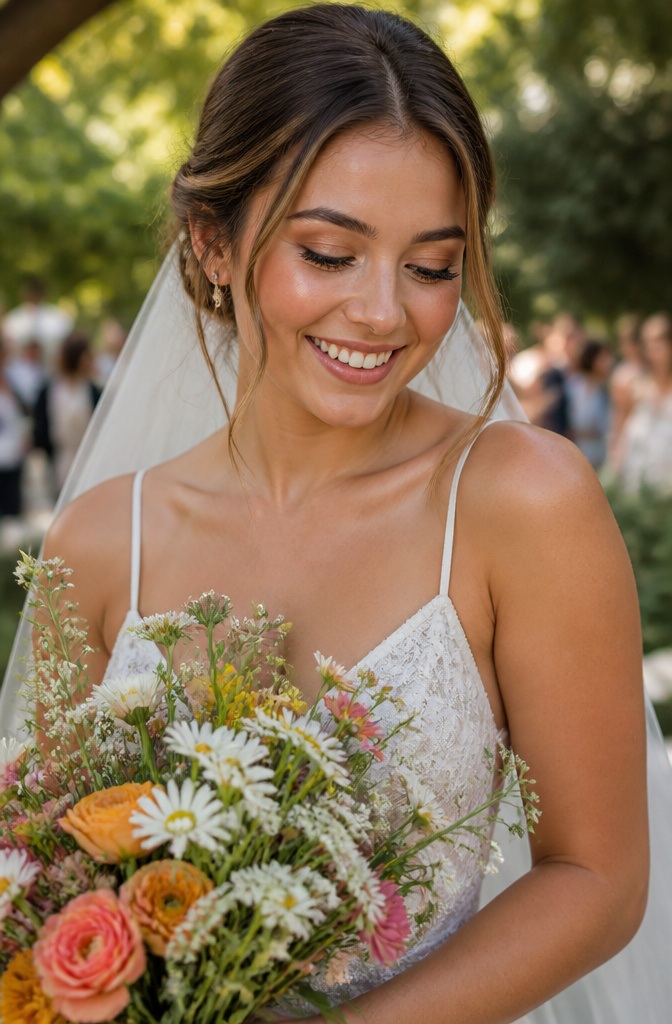
Brides who want the "I look like the best version of myself" feeling without stepping into heavy coverage land in this exact spot. The glow comes first: luminous setting spray layered throughout the application keeps skin radiant from ceremony to last dance, while skin tints replace traditional foundation so freckles still read as skin, not as something to mask.
Placement matters most on the high points where light hits naturally. Cream blush and bronzer melt into the cheekbones rather than sitting on top, and the shimmer stays confined to eyes, not scattered across the whole face. Defined brows frame everything; a clear gel brushed upward at the front, tapered slightly at the ends, gives that soft, touchable fullness without stiffness. Peachy warmth ties it together, harmonizing cheeks, lids, and lips so no single feature shouts.
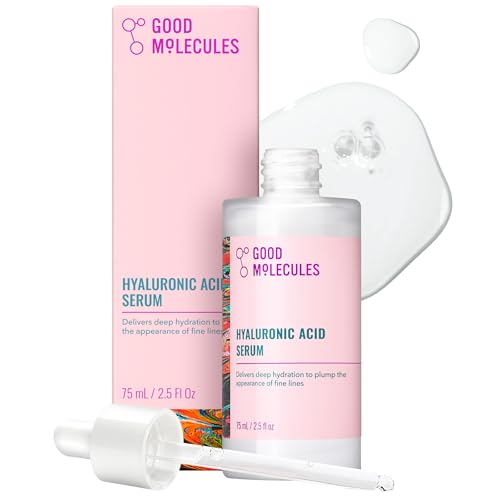
DEEP, LASTING HYDRATION: Hyaluronic acid serum that delivers deep hydration to plump the appearance of fine lines and leave skin looking smooth.

INTENSIVE HYDRATION TECHNOLOGY: Advanced multi-level hydrating serum combines dual-weight polyglutamic acid (PGA) with glycerin and osmolytes to deliver deep moisture penetration for lasting skin plumpness and clinically proven 48-hour hydration.

[MOIRA BEAUTY] Straight forward products that eliminate the fuss. You are reaching for confidence and self-discovery to shape your destiny.
Natural and Sculpted
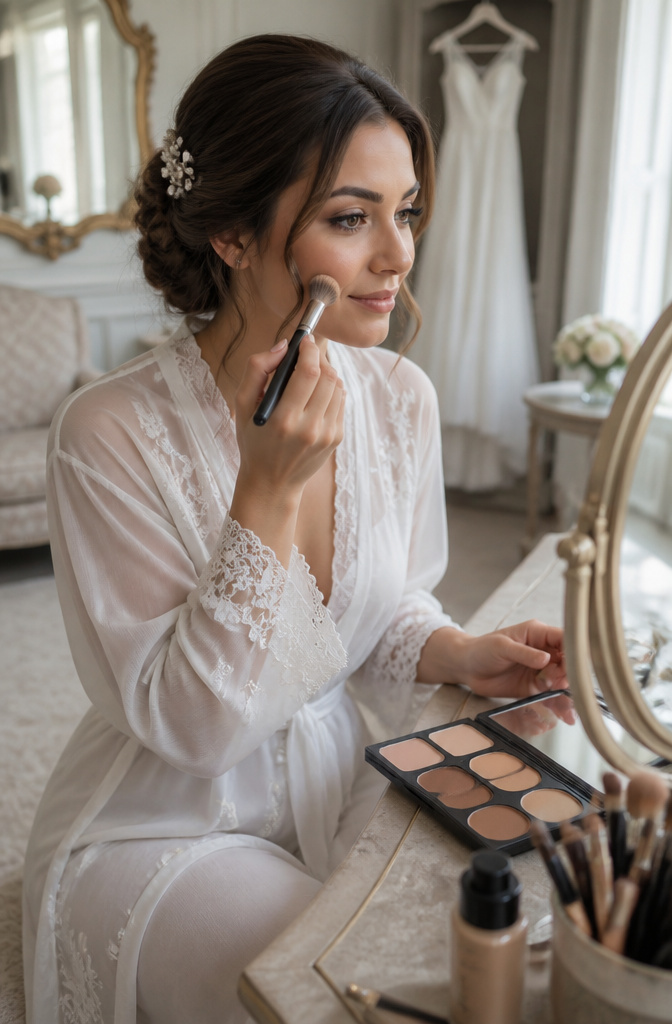
A dimensional face on your wedding day starts with underpainting your contour beneath foundation, not on top of it. Makeup artist Kate Mellinger recommends this order because it leaves room to soften edges before anything sets, and the shape survives under a sheer layer rather than sitting on top like stage paint.
The placement follows bone structure, not trend. Mellinger applies Tower 28 Beauty Sculptino Soft Matte Cream Contour to the sides of the nose, under the cheekbones, under the jawline, and around the temples. Then blend until no hard edge remains. Over this, a cream or liquid highlighter on the bridge of the nose, the tops of the cheekbones, the Cupid’s bow, and the brow bone catches light where a face naturally projects. Mellinger likes Saie Glowy Super Gel Lightweight Dewy Multipurpose Illuminator for this because it dries down enough to let foundation layer over without erasing the sculpting entirely.
The result reads as structure rather than stripes. In person, the warmth and peachy tones common to natural bridal looks keep the dimension from reading theatrical. In photographs, the light contour prevents the flattening that heavy makeup causes, since cameras exaggerate weight where they meet opaque product.

Face Primer For Up To 24H Wear: Drip, glide, grip with Grippy Serum Primer. This face primer for makeup is ultra blendable with Serum-To-Grip technology, after 20 seconds the fresh serum texture transforms to a sticky feel that grips makeup for up to 24H

GET A GRIP: Achieve the perfect makeup base with essence Jelly Grip Hydrating Primer. Whether you're aiming for a fresh, natural look or need a reliable primer for all-day wear, this jelly primer has got you covered.
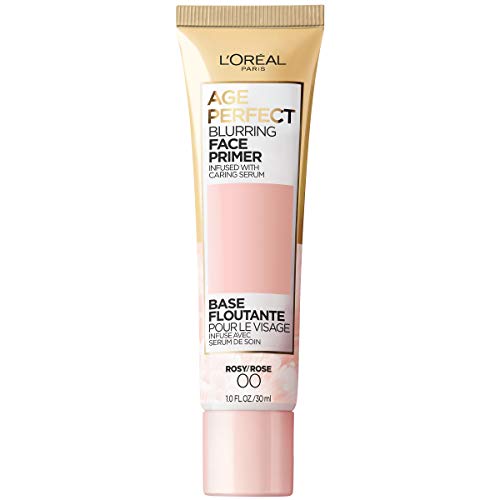
Age Perfect by L'Oreal Paris blurring face Primer is infused with a caring serum and features a universal rosy formula
No Foundation Look
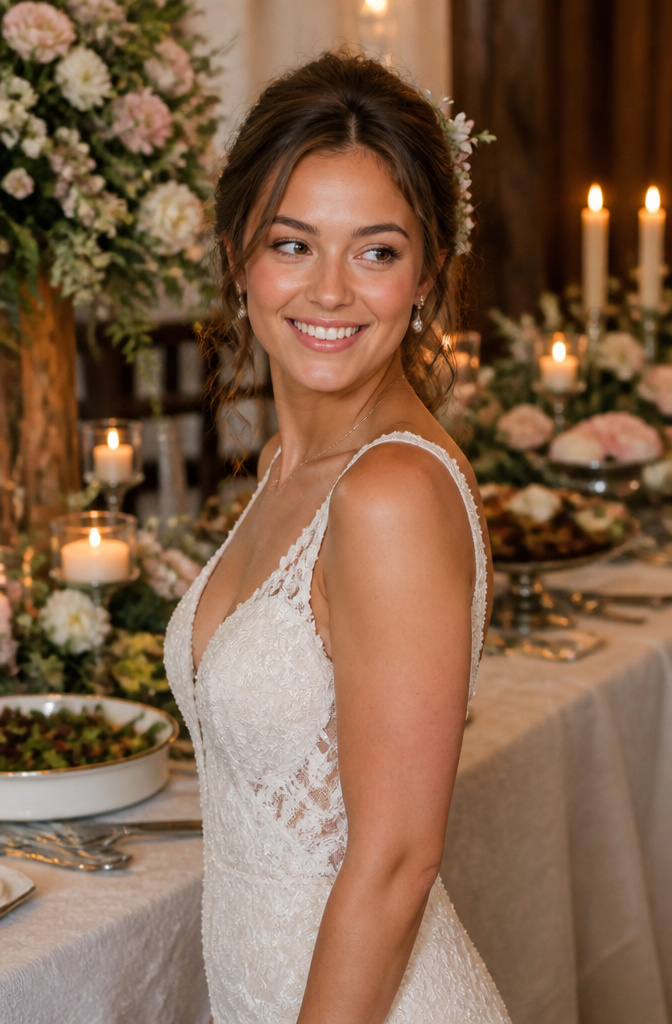
The no-foundation look trades traditional base coverage for lightweight skin tints and concealer placed only where you actually need it. Under-eyes get brightened, redness gets evened out, and discoloration gets softened, but the cheeks and temples stay bare so real skin still shows through. Cream bronzer and blush blend in rather than sitting on top, and a luminous finish keeps the whole thing from going flat in photos.
This works best for brides whose skin is already in solid shape. Without a heavy layer to hide behind, every dry patch and uneven spot reads clearly, so the prep matters as much as the product. Oily or acne-prone skin faces real risk here: a twelve-hour wedding with heat and nerves can push recession through a tint that never promised to stay put. Combination skin has an easier time, but the T-zone still needs testing in conditions that mimic the day, not just a living-room mirror check.
The payoff is unmistakable when it holds. The finish looks like you, only smoother and more awake, and it photographs like fresh skin rather than like makeup pretending to be skin. The cost is vigilance about what might migrate or fade, and a honest call about whether your skin is calm enough to go this exposed.
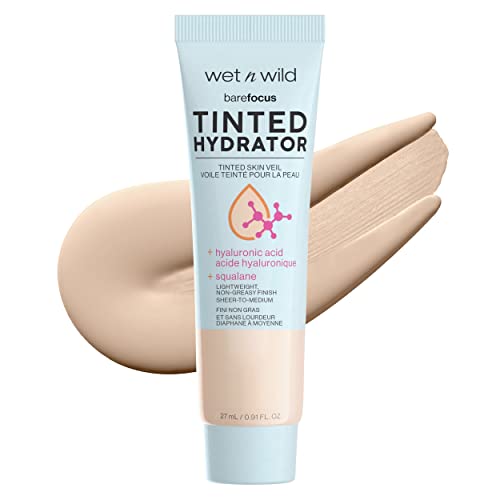
Buildable Coverage: Watch as lines and imperfections fade away. This lightweight hydrator features buildable seamless coverage from sheer to medium.

Anti-Redness BB Cream ultra-light lotion delivers 4 beautifying actions in 1: neutralizes the look of redness, corrects skin color for an even complexion, hydrates for all day moisture and hides imperfections

1-fluid ounce tube of Neutrogena Healthy Skin Anti-Aging Perfector All-in-One Tinted Facial Moisturizer with SPF 20 to help reduce the appearance of fine lines and wrinkles
Soft Glam
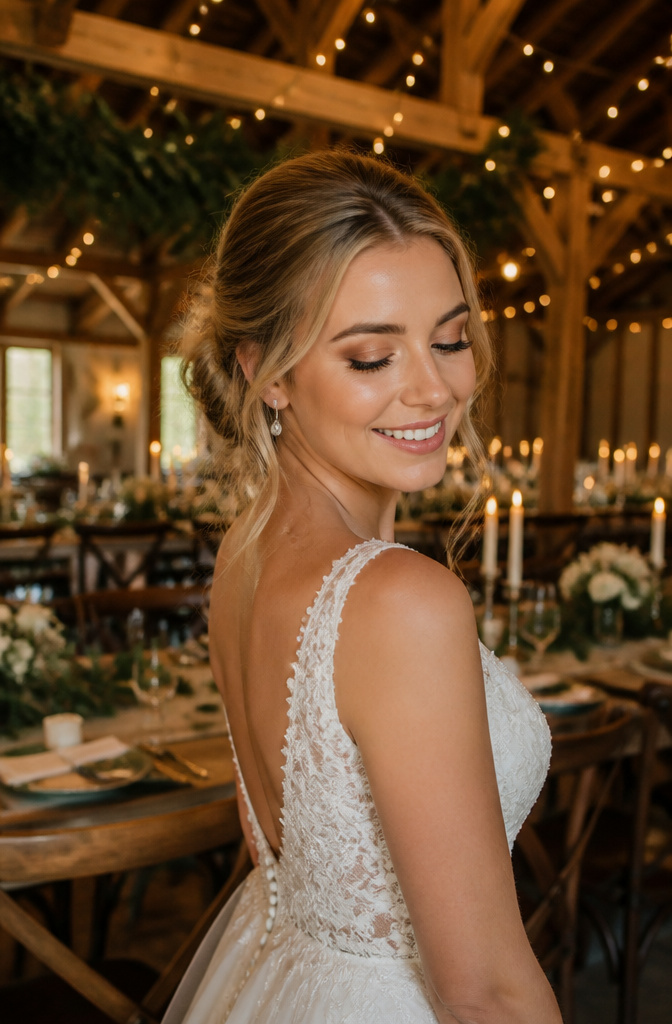
Soft glam sits right at the pivot point where natural makeup gains enough structure to read as finished in a ballroom but won’t look like too much at a backyard ceremony. The brides who ask for it usually wear mascara to the office and want their wedding face to feel like themselves, just with the volume turned up.
Blended warm tones across lids, cheeks, and lips keep the look cohesive rather than piecemeal, and the skin stays luminous without sliding into full coverage territory. Lashes are wispy and layered, not dense strips, definition comes from soft shadow rather than liner, and any contour melts so thoroughly into blush that you cannot find the edge. What separates it from glowing natural is simply that everything present is a little more present: the peach is peachier, the lash line is darker, the brow has a drawn shape beneath its hairs.
It photographs with real dimension, which is why it dominates requests for ballroom and barn weddings alike, and it ages well in albums because nothing in it was trendy enough to date itself. The risk is pushing one element too far, a smoky lower lash line or a matte lip, and watching the whole thing drift from soft glam toward standard glam without meaning to. Brides who sleep in makeup and wake up liking their reflection tend to land here naturally; brides who feel relief washing it off at night should steer lighter.

Get A French Riveria Bronze: Lumi Bronze Le Stick Soleil melts into skin for a French Riviera Bronze make up look. Get a warm wash of sun-kissed glow with an easy-to-use stick. Available in 5 sun-kissed bronzer shades for variety of skin tones
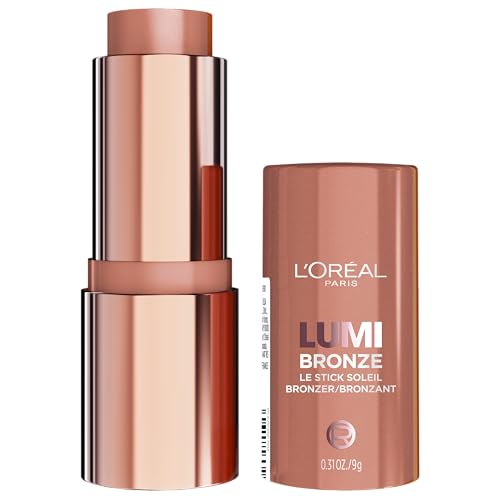
Get A French Riveria Bronze: Lumi Bronze Le Stick Soleil melts into skin for a French Riviera Bronze make up look. Get a warm wash of sun-kissed glow with an easy-to-use stick. Available in 5 sun-kissed bronzer shades for variety of skin tones

Multiuse: This buttery smooth formula replaces your contour, bronzer, blush, eyeshadow, lip color and more in one convenient stick!
Coverage and Finish
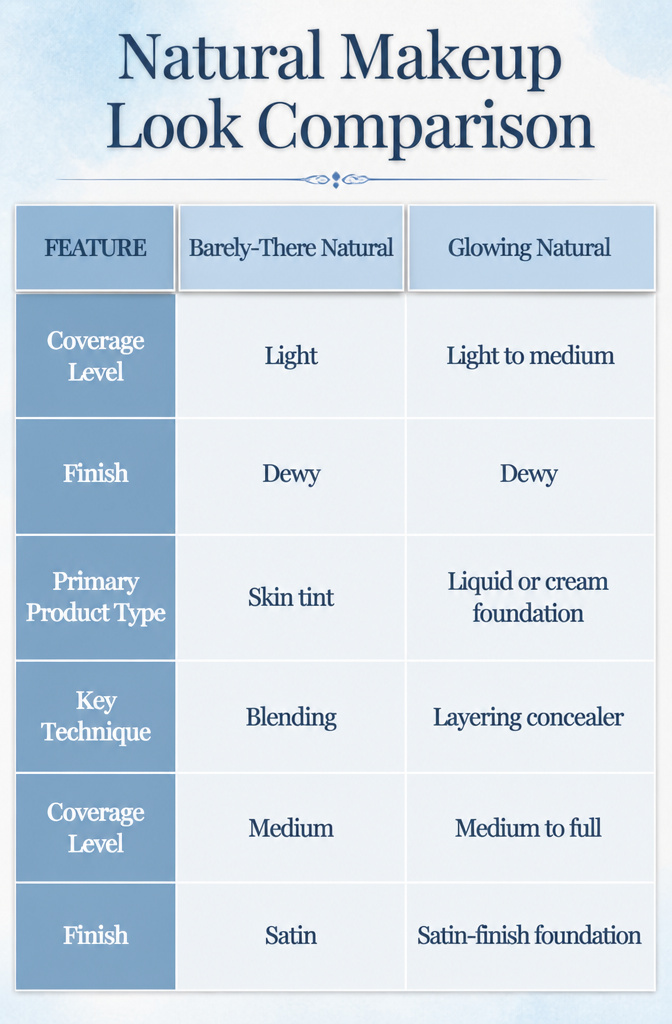
Coverage and finish decisions separate a natural makeup look that photographs well from one that looks heavy in person. Powder builds coverage but sits on top of skin; cream melts in and keeps movement believable through a long day.
| Look | Coverage Level | Finish | Primary Product Type | Key Technique |
|---|---|---|---|---|
| Barely-There Natural | Light | Dewy | Skin tint or tinted moisturizer | Blending with damp sponge |
| Glowing Natural | Light to medium | Dewy | Liquid or cream foundation | Layering concealer only where needed |
| Natural and Sculpted | Medium | Satin-matte | Cream contour and blush | Buffing creams before any powder |
| No Foundation Look | Minimal | Natural | Concealer alone | Spot-concealing, no base layer |
| Soft Glam | Medium to full | Satin | Satin-finish foundation | Bouncing on with damp sponge, then setting T-zone |
The dewy finish wins for outdoor and daytime weddings, but only if you keep the T-zone lightly powdered. Matte reads more polished and controlled, which is why the cloud skin look has gained ground for evening receptions. Cream blush on bare or lightly tinted skin gives the most convincing flush; powder over cream base risks dragging and patchiness. Layering matters most when you need longevity without weight, dotting concealer where redness or darkness actually sits rather than blanketing the whole face.
Questions Brides Actually Ask
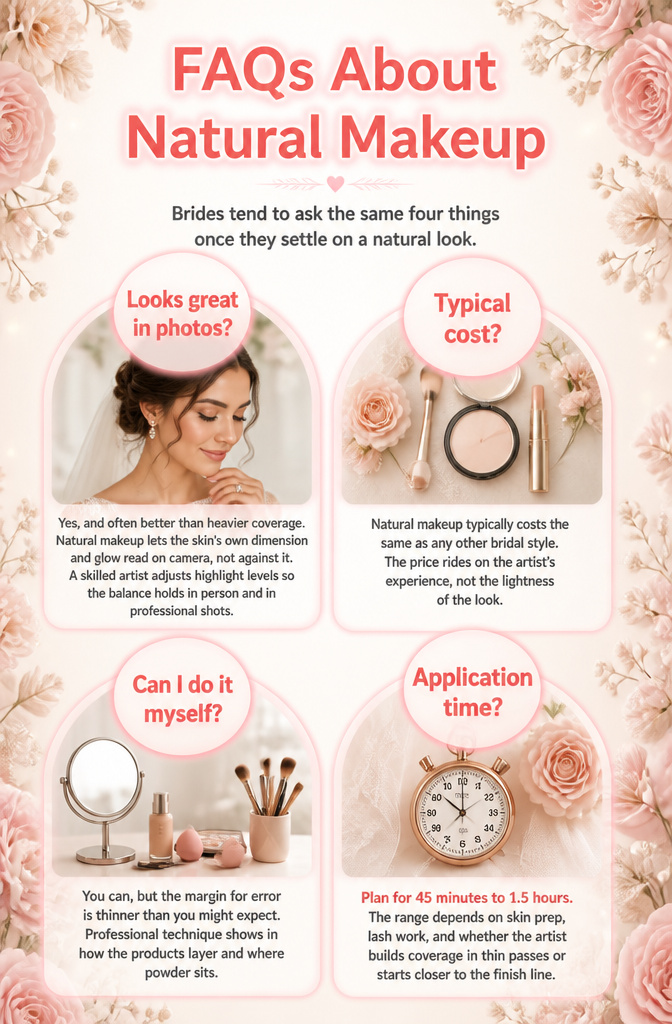
Brides tend to ask the same four things once they settle on a natural look.
- Will it look good in photos? Yes, and often better than heavier coverage. Natural makeup lets the skin’s own dimension and glow read on camera, not against it. A skilled artist adjusts highlight levels so the balance holds in person and in professional shots.
- How much does it cost? Natural makeup typically costs the same as any other bridal style. The price rides on the artist’s experience, not the lightness of the look.
- Can I do it myself? You can, but the margin for error is thinner than you might expect. Professional technique shows in how the products layer and where powder sits.
- How long does application take? Plan for 45 minutes to 1.5 hours. The range depends on skin prep, lash work, and whether the artist builds coverage in thin passes or starts closer to the finish line.
Application Timing
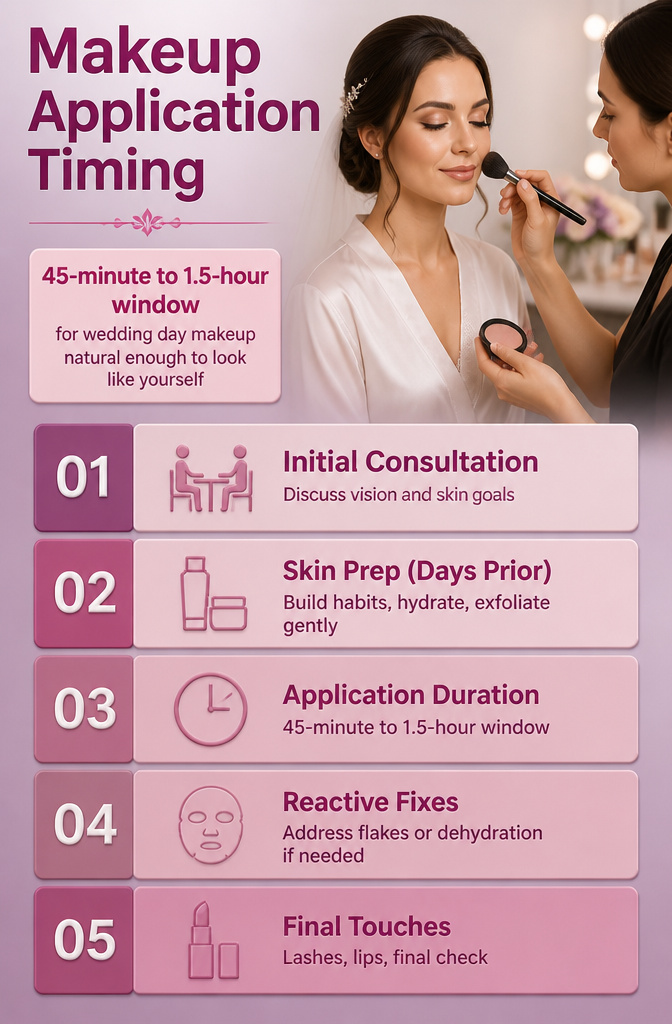
A 45-minute to 1.5-hour window is what most artists need for wedding day makeup natural enough to look like yourself, and where your prep lands in that range depends almost entirely on work done before the chair.
Skin handled months ahead shrinks the session dramatically. The 66 days it takes to build a real habit means concealer does spot work instead of full coverage, and a smoothing primer plus lightweight hydration replace corrective layering. That difference alone can pull an application from the 90-minute end down to under an hour.
What stretches the timeline: reactive fixes. Flaky patches need physical exfoliation right then; dehydration demands masks and extra massage time. The bride who exfoliated gently the night before and moisturized consistently arrives with the canvas already active. The artist’s job becomes selection and placement, not recovery.
The split matters logistically too. A 7:30 AM ceremony with six attendants means the bride’s slot determines everyone else’s schedule. Prep done in advance buys back the margin that runs out when someone needs false lashes or a lip color revision. It is the difference between calm buffer and cascading delay.
What Lasts and What Fades
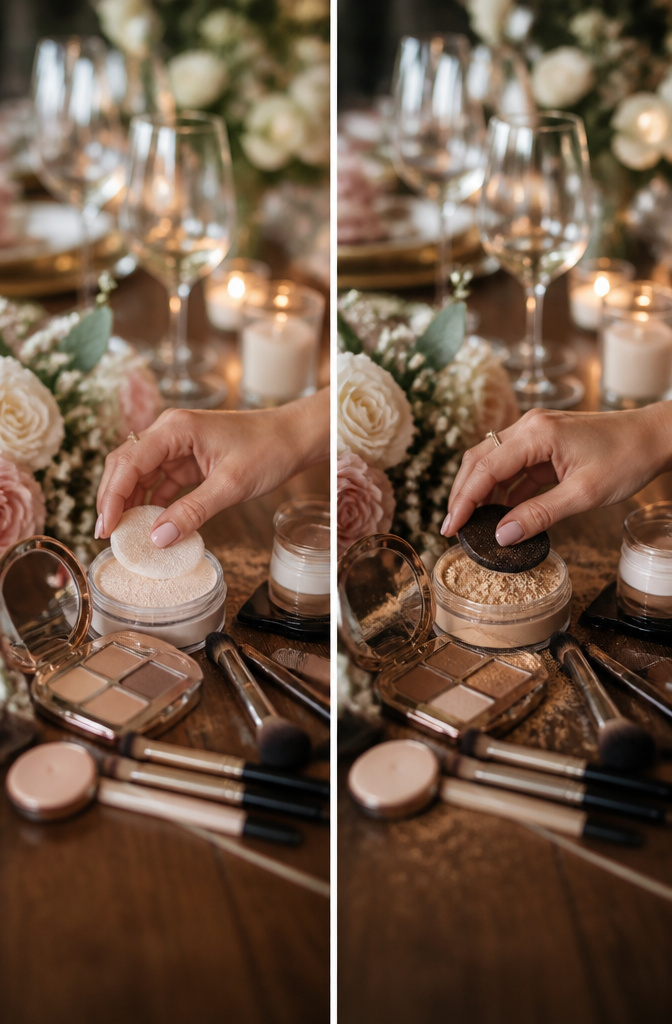
Translucent powder belongs on the T-zone and nowhere else if you want that natural wedding day makeup to last. A light hand keeps the glow alive; full-face setting turns the look matte and heavy, which is the opposite of what most brides are after.
The setting spray makes or breaks this. A hydrating formula, not matte, seals everything without adding texture. That difference matters once the dancing starts and body heat rises.
Creamy pigmented formulas hold up better than you’d expect under pressure. The skin’s natural oil actually helps them blend and stay luminous through kissing, crying, eating, all of it. Over-powdering to fight that radiance is what creates the cakey breakdown everyone dreads.
What fades first? The things you’d guess. Lip color, inner corner brightness, any detail you keep touching. What doesn’t need rescue is makeup that’s simply settled into a softer version of itself. Chasing every shift back to its 9 AM state builds uneven texture and makes the whole face look worked-over by cocktail hour. Let the breakdown be part of the look. The joy of the moment outlasts perfection anyway.
Frequently Asked Questions
Will natural wedding day makeup look good in photos?
Yes, and often better than heavier coverage. Natural makeup lets your skin’s own dimension and glow read on camera instead of fighting against opaque product. A skilled artist adjusts highlight levels so the balance holds both in person and in professional shots.
How much does natural bridal makeup cost?
Natural makeup typically costs the same as any other bridal style. The price depends on the artist’s experience, not how light the look is.
Can I do natural wedding makeup myself?
You can, but the margin for error is thinner than you might expect. Professional technique shows in how products layer and where powder sits, especially for longevity through a long day and photography.
How long does natural bridal makeup take?
Plan for 45 minutes to 1.5 hours. Skin prep done months ahead shrinks that window, while reactive fixes like flaky patches or dehydration push it toward the longer end.
Will no foundation bridal makeup last all day?
Yes, when applied with long-wear complexion products, strategic powder placement in the T-zone, and layered setting sprays. The key is professional technique, not skipping steps.
Is no foundation bridal makeup good for oily skin?
It can be, but it carries real risk. A twelve-hour wedding with heat and nerves can push oil through a tint that never promised to stay put. Strategic powder in the T-zone during a trial run is essential to test how your skin behaves.
Can brides with acne or uneven skin tone wear no foundation makeup?
Yes. The approach uses targeted concealing: brightening under-eyes, softening redness exactly where it sits, and evening out discoloration while leaving cheeks and temples bare so real skin still shows through.
Is no foundation bridal makeup the same as minimal makeup?
Not exactly. No foundation bridal makeup still uses professional techniques and carefully chosen products. The coverage is lighter and more skin-focused, but it is not doing nothing; longevity depends on long-wear products and proper setting.