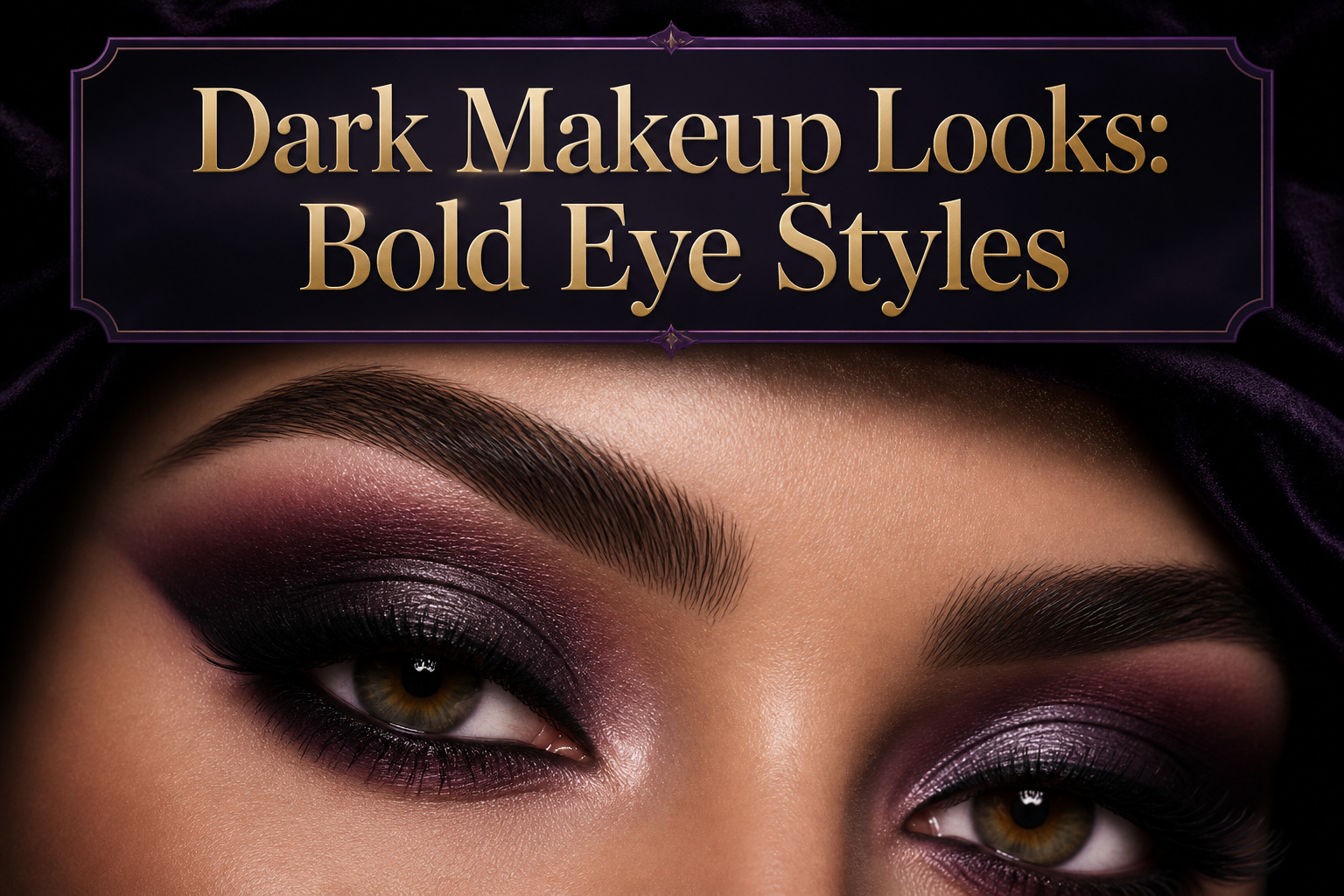
Dark make up looks are bold eye styles built from black, plum, navy, and charcoal pigments, but the difference between polished and messy comes down to how you layer the depth.
Black straight to lid almost always turns muddy once you blend, so every look here starts with a gradient: charcoal first, then ash, then black only where you want the darkest point to sit.
The Iconic London Smokey Eye Duo Kajal Eyeliner + Eyeshadow handles both liner and shadow with one double-ended pencil that stays under $30, and that shared formula is what keeps the finish from separating into two textures.
1. Classic Smoky Eye
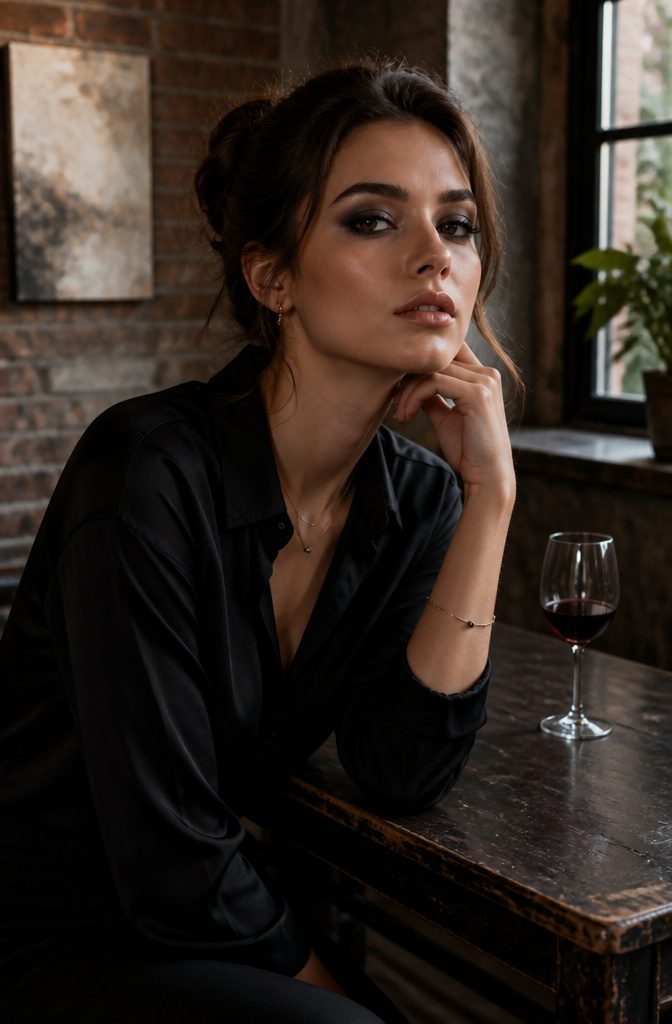
Most dark make up looks still run through the smoky eye first, and the difference between polished and messy comes down to how you layer the depth.
Black straight to lid almost always turns muddy once you blend, so the build goes charcoal first, then ash, then black only where you want the darkest point to sit. That gradient keeps the shadow dimensional instead of flat.
Two ways to play the tone: keep every shade cool and silvery for a steel effect, or work in a soft brown at the crease to make the eye stand out against the darker colors.
The brown stops the look from reading too harsh on most skin tones.
The Iconic London Smokey Eye Duo Kajal Eyeliner + Eyeshadow ($25) handles both steps with one double-ended pencil. The kajal end draws the shape, the shadow end smokes it out, and the whole thing stays under $30.
Having both in one tool matters more than you’d think, becausethe liner that built your shape is the same formula that blends into the shadow, so the finish never separates into two different textures.

PRO-LEVEL PERFORMANCE: Unlock your creativity with rich, matte shades that blend effortlessly for bold, buildable color and all-day vibrancy—perfect for crafting stunning, professional eye looks that empower your style.

Glitter, Glitz & Grey - This grayscale eyeshadow palette is a smokey eye lover’s dream. With 3 glitzy metallics and 6 blendable matte eyeshadows, you can create the easiest smokey eyes ever.

【Smokey Shadow】 MAKI YIKA smoky eyeshadow palette contains gray silver black white, matte and shiny 9 neutrals, whether applying single color or mixing multiple shades, the possibilities are endless.
2. Sultry Smoke
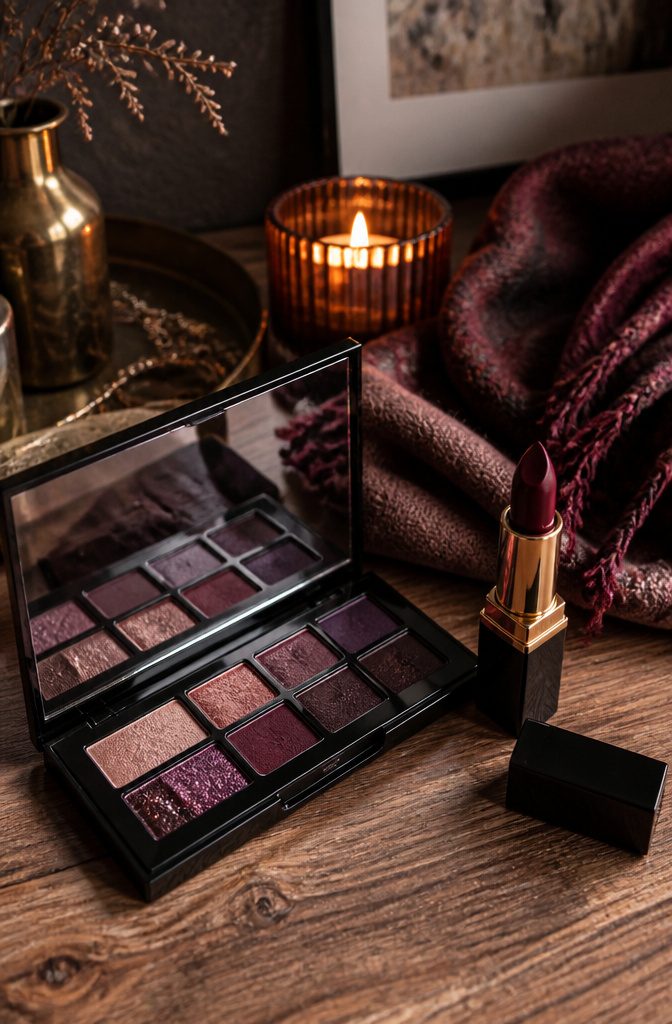
Burgundy and plum tones shift a smoky eye from edgy to something you can actually wear to a small-plates place where the lights are low and someone is definitely trying to read your expression.
Keep the darkest pigment tight against the lash line and let it fade upward like actual smoke, stopping before you hit the brow bone. That gradient is what keeps the look romantic instead of harsh.
Cream formulas layer better than powders for this particular warmth; they let you push the color around with a fingertip before it sets, so the edges stay soft in a way that reads intentional, not messy.
A defined lip in a wine shade pulls the whole thing toward dark feminine makeup without tipping into costume territory.
The flushed-cheek element matters too, what I’ve read describes as balancing the depth so you don’t register as unapproachable across a dinner table.
This is the option for nights when you want the confidence of a smoky eye but need to walk into a room and have people lean in rather than step back.

Vibrant Shimmer & Matte Colors – This eyeshadow stick is available in a variety of color ranges, from everyday nudes to bold smoky shades, catering to all your makeup needs for any occasion. The highly pigmented formula delivers rich color payoff in just one swipe for effortlessly vibrant, multidimensional eye looks. Whether worn alone or layered with multiple shades, you can effortlessly achieve the eye makeup look you desire.
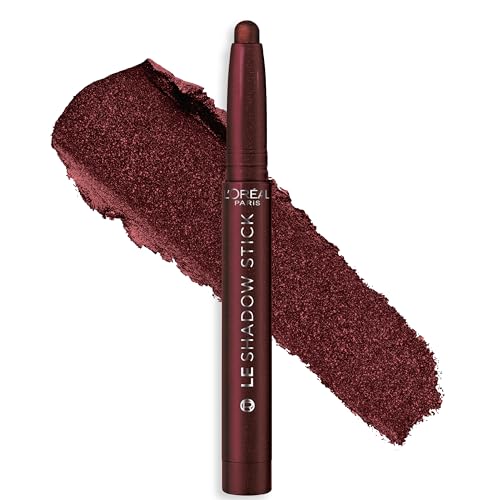
Enhance Your Look: Your make up look isn't complete without L'Oreal Paris Le Shadow Stick. This eyeshadow stick glides on effortlessly & evenly for a rich look on a variety of skin tones. Bold, creamy color available in smokey, matte and shimmer shades

Vibrant Color Range: MEICOLY offer a diverse range of shades for eyeshadow,including beige eyeshadow,white eyeshadow,black eyeshadow,light blue eyeshadow,green eyeshadow,coffee eyeshadow,red eyeshadow,macaron grey eyeshadow,catering to various preferences and allowing you to find your perfect match.Gently remove the sealing film from the mirror before using the eyeshadow.
3. Midnight Vibes
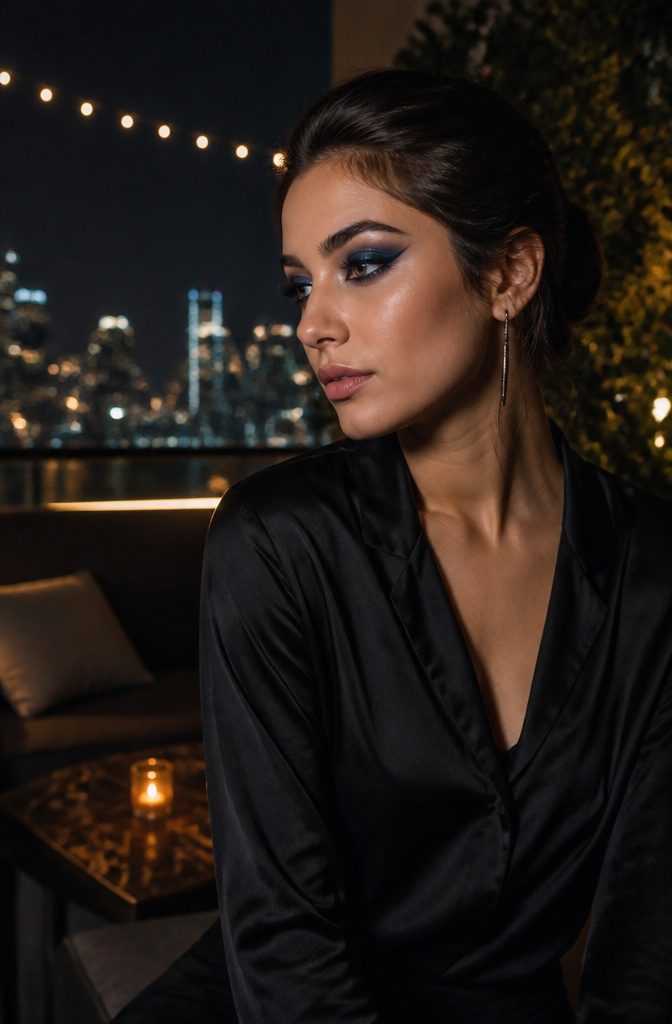
A midnight eye deliberately marries navy with black rather than graduating through neutral browns and grays.
The cool undertone is the point, not a smoothed-out monochrome. Taylor Swift’s Grammy look proved the pairing works: black winged shadow smudged outward with navy blue, deliberately clashing adjacent tones instead of blending them into one muddy shade.
The wardrobe payoff comes in what this refuses to compete with. Charcoal, true black, and ink blue pieces sit cleanly against it; the eye makeup reads as an accessory rather than a separate event.
Warm camel or cream nearby turns the whole thing accidental and dated, which is exactly where classic smoky eye lives more forgivingly. Cool gray tailoring or a black silk shirt keeps the intention deliberate.

The Perfect Wings Everytime – Eye liner wings have never been easier. Line up the stamp from the corner of your eye to the end of your eyebrow to create the same wing on each side. The curve in each stamp eyeliner provides a quick natural cat eye look
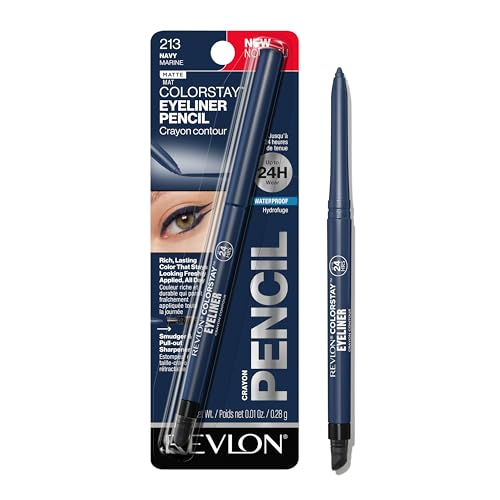
LASTING EYELINER: Rich color looks freshly applied all day long; transfer-proof, waterproof, smudge-proof and fade-proof

Retractable Eye Liner: A line and defined eye is just a twist away with this eyeliner pen; Intense pigment covers like a liquid eyeliner while its creamy formula holds for hours; No need to sharpen just twist up and apply for a winged out eyeliner look
4. Total Blackout
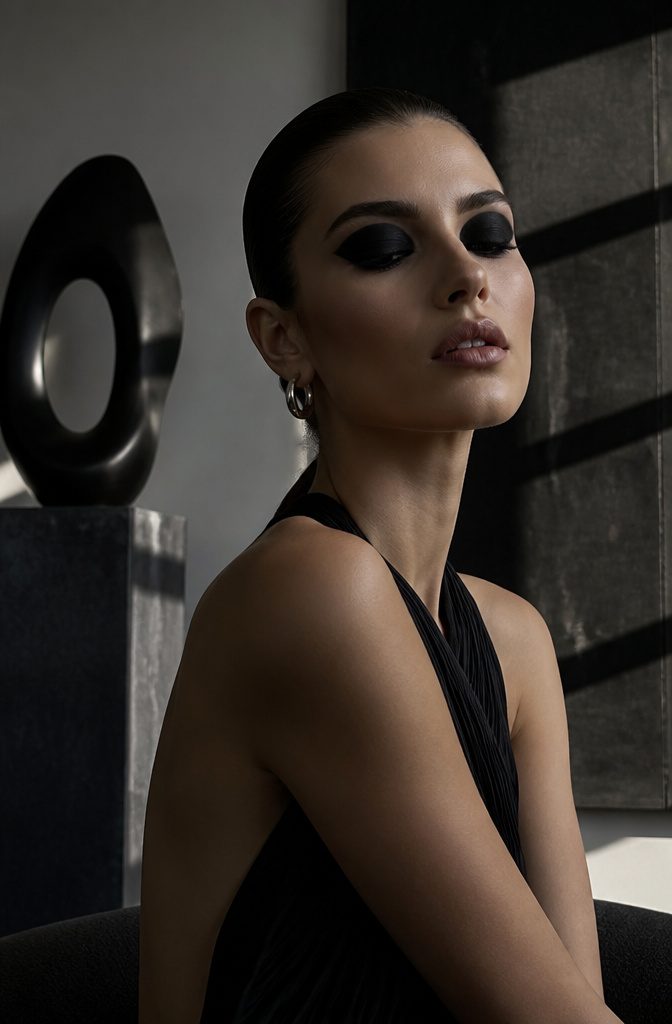
A fully blacked-out lid, liner, lashes, and no skin peeking through is the most extreme version of dark make up looks you can wear.
Paris Hilton’s Met Gala blackout shadow proved it works when the event itself is dramatic enough to carry it. The same face at a Tuesday brunch looks like a smear, not a statement.
The mistake that ruins it is building too fast.
I’ve watched tutorials where the person dips a dense brush straight into pan black and starts packing. Within thirty seconds the lid is patchy, the edge is crusted, and the only fix is remover.
Layering matters more here than anywhere else in eye makeup. Start with a gripping primer that is built for shadow adhesion, then lay down a charcoal base, then press the true black only where you want the depth to live.
Blend the border while it is still workable, not after it has set.
Night events with architectural or monochrome outfits give this look a frame. Daylight, soft fabrics, or competing colors on the clothing turn the same application into something that reads as unfinished rather than intentional.

Dual-Ended, Long Lasting Control - This light brown gel eyeliner delivers bold, high-pigment color in matte and metallic finishes, solving fading and smudging with transfer, water, and smudge-resistant wear.

Featuring a super slim, tapered felt tip for ultra-fine precision

WATERPROOF & SMUDGE-PROOF: Our ultra-creamy gel formula locks in place once set, ensuring your eye makeup stays flawless all day without smudging or fading, even in water
5. Inky Cut Crease
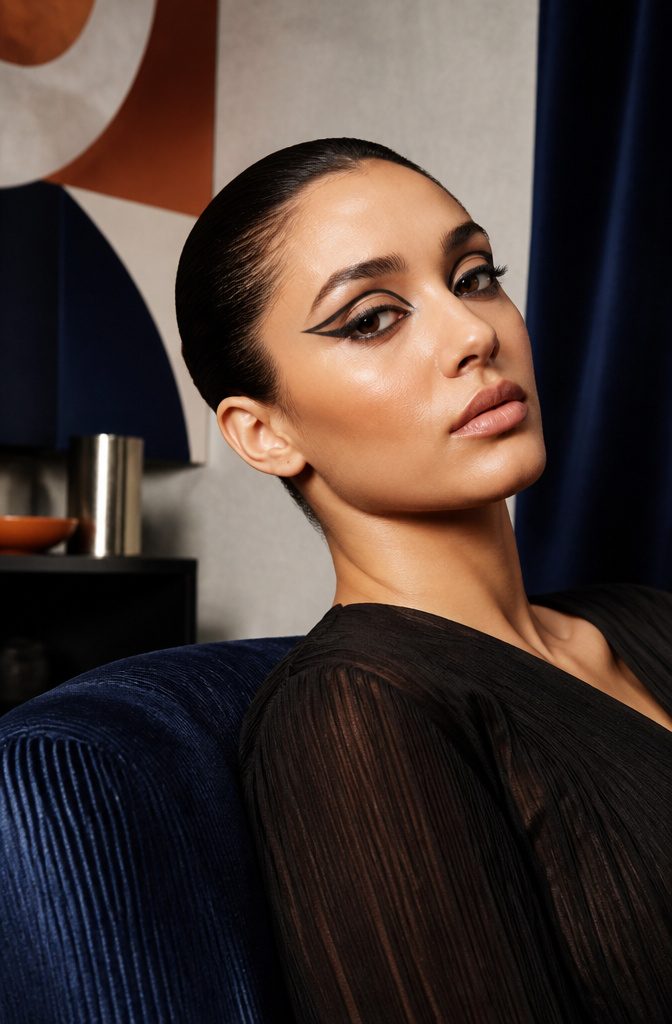
A sharp cut crease gives dark pigment a boundary that smoky blending never quite manages.
The line sits just above your natural crease, drawn with an angled brush and powder shadow or a cream pigment, and that floating edge is what keeps the look from reading like a smudge you meant to fix.
The structure itself is the drama, not the color bleeding outward. Zoë Kravitz has worn this modern version with the crease line extending to meet a cat-eye wing, so the shape feels graphic rather than accidental.
Anitta pushed it further at the Met Gala with a double wing, flicking the crease line at both inner and outer corners while matching the liner.
The retro reference is there, but the precision makes it current. Extra lashes or a few coats of lengthening mascara finish the frame, and the whole thing reads as intentional because every edge has been placed rather than diffused.
Dark plums and wine tones work here too, though in a cut crease they stay inside the lines instead of softening into the hollow of the socket.

INTENSE EYELINER PENCIL: Silky Clinique eyeliner delivers rich color that stays on all day. All the intensity of a liquid liner in an easy-to-use automatic pencil.
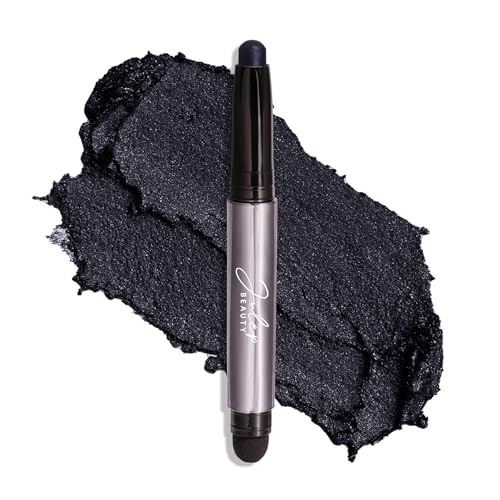
CREAM-TO-POWDER SHIMMER FINISH WITH ALL-DAY HOLD: Starts as a silky, pigment-rich cream and sets to a luminous shimmer powder that stays crease-free and fallout-free —delivering glowing, dimensional shimmer lid color that truly lasts.

Single color pans you'll actually use and love
6. Smudgey Cat-Eye
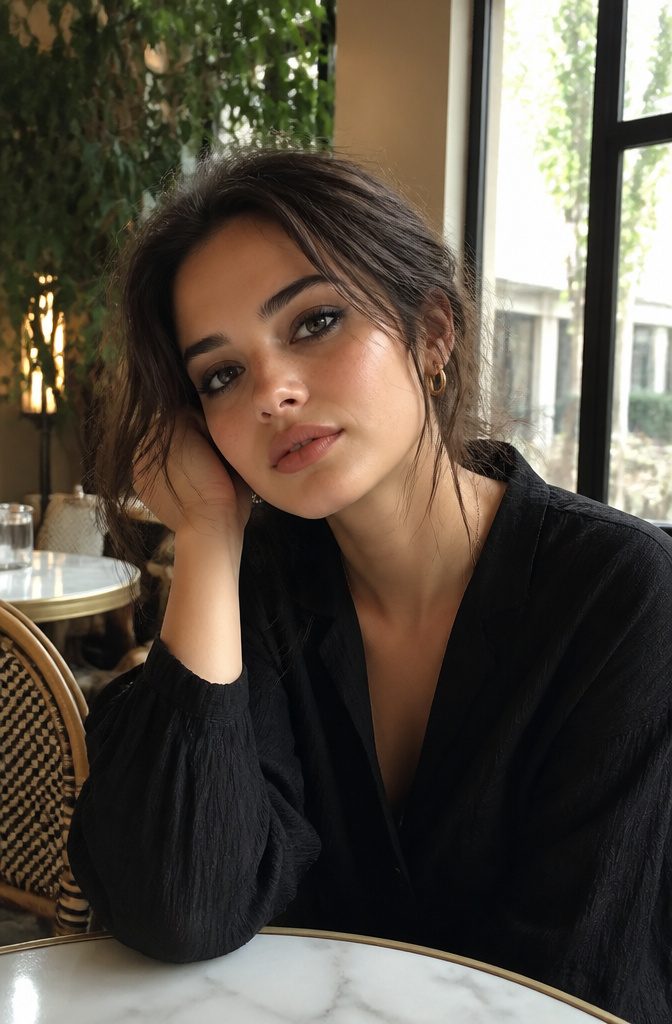
The 1990s gave us smeared liner as a mood, not a mistake, and that same energy resurfaced in the early 2010s when Tumblr made " slept-in" makeup aspirational. The difference between the two is where the pigment concentrates.
A smudge that pools outward from the lash line reads intentional; darkness that drifts toward the crease or settles into under-eye hollows reads like the previous night you did not wash off.
Placement fixes this.
Work the liner into the outer third only, keeping the inner corner clean so the eye shape stays lifted. A dense pencil, preferably one with a slight wax grip rather than a gel glide, lets you control the bleed.
Press and wiggle rather than draw a continuous line. The softness should look friction-worn, like denim, not humidity-smeared.
Set the edge with a fingertip before it dries, not after. Post-dry cleanup sharpens the shape and kills the effect.
If you need more, add a dot of shadow on top and stop. The line between sultry and slept-in is about three minutes of additional blending, and those three minutes are the ones to skip.

【❤All-in-One Makeup Pallet for Teens & Women】UCANBE Pretty All Set make up palette features 86 versatile & ultra-blendable shades, including 80 eyeshadows, 2 highlighters, 2 blushes, and 2 contours. Pigmented eye shades ranges from black gray white silver goth eye makeup shades to bright rainbow colors to sparkling metallic glitters to rose rustic nudes & brown taupe neutrals, and multi-finishes ranges from smooth mattes to velvety shimmers to dazzling metallic to fine pressed glitters.

❤. This BLACK METEORS eye palette is mixture of 15 stunning cool toned shades that velvety & go on smoothly texture with matte satin finishes to create next level looks to unleash your artistry. Each blendable, buildable and long-lasting, created to suit every skin tone and eye color.
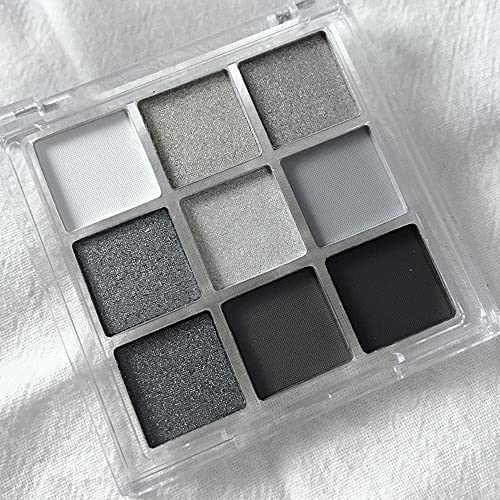
Cool Toned Eyeshadow Palette --- The black smokey eyeshadow palette contains 9 pop colors, four mattes and five shimmer.You can blend these colors to create cool eyeshadow makeup what you want. Perfect for artistic make up, smoky eyes makeup, party makeup or casual makeup, Halloween makeup
7. Kitten Eyes
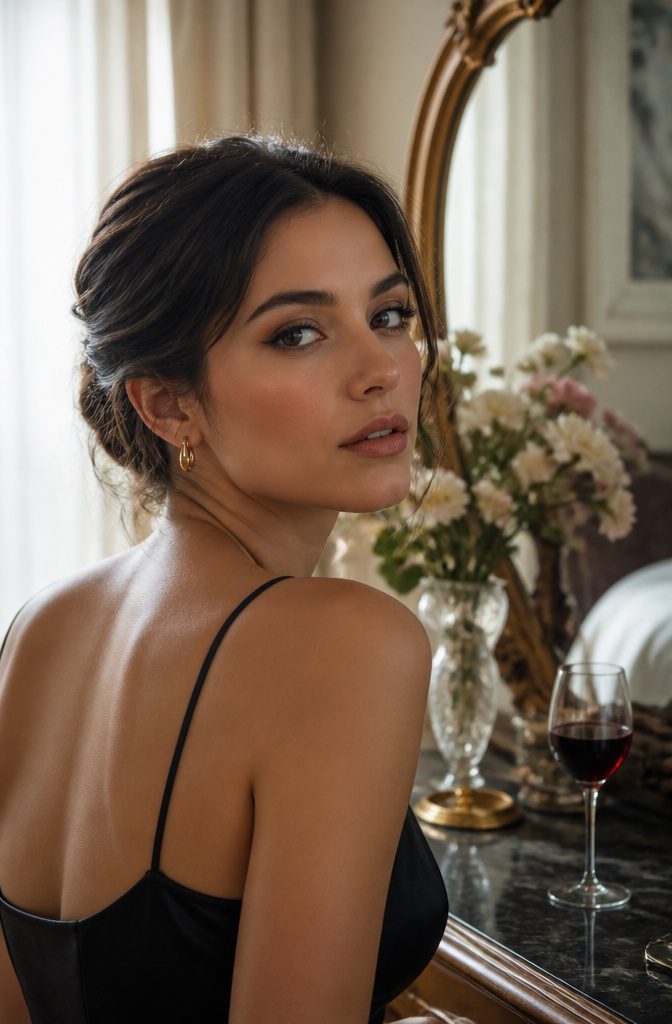
A kitten eye keeps the drama of dark makeup in scale.
The wing stays short, drawn upward at the outer corner but never extending past the crease line, which means the darkness stays close to the lash line where it belongs.
That proportion is the difference: a full cat-eye stretches horizontally and competes with a strong lip, while the mini version leaves room for wine-colored lipstick or a flushed cheek without the face feeling like a mask.
The ’90s revival in dark feminine makeup leaned on exactly this balance. Black liner with a smoked effect at the eyes, paired with defined lips and contour, worked because neither feature shouted over the other.
A kitten eye carries that same restraint into current routines. You get the sexy, vampy energy the trend promises, just in a shape that does not demand the whole face surrender to it.
Application follows the smaller geometry. Stamp or draw the wing first, keeping the line thin, then soften the edge with black shadow rather than building it into a thick flick.
The smoke should blur outward, not upward. Done right, the shape reads as lifted and awake, not costumed, and the rest of your color choices stay yours to make.

Long-Lasting Crease-Proof Formula: Wugbc cream eyeshadow stick delivers a smooth, highly pigmented matte or glitter finish that stays through the day without fading, smudging, or creasing, even on mature eyelids with fine lines

Dual-Ended Design: This 2-in-1 eyeshadow stick features a dual-ended design - one side delivers high pigmented color & the built-in smudger brush on the other allows for seamless blending. No extra tools are needed for a portable eye makeup application anytime, anywhere

One-swipe, high-impact color. 12 shimmery shades.
8. Faux Wing
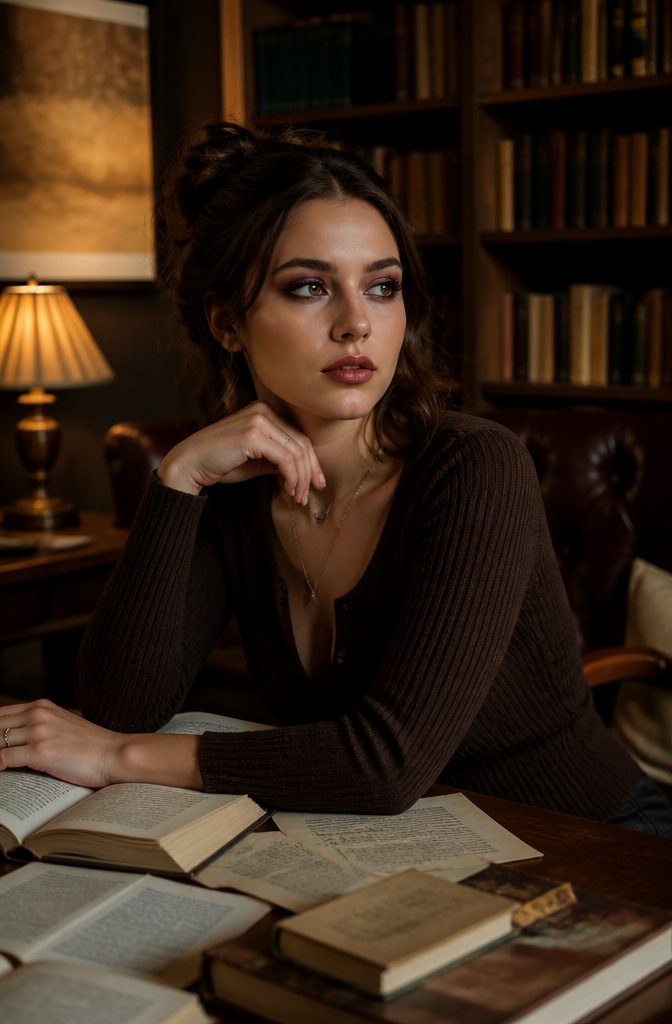
Black eyeshadow gives the lift without the lining hassle. The trick is connecting the top and bottom lash lines at the outer corner, letting the shadow itself create the angle rather than drawing it freehand.
Winged liner drawn on hooded or deep-set eyes often disappears into the fold or looks heavy where the lid meets the brow.
Shadow works with that anatomy instead of against it. The color sits where the eye shape already wants to go.
Start at the outer third, blend upward and outward, then connect a thin drag of the same shade along the lower lash line so the two meet at the corner.
It elongates without closing the eye in, and the softer edge reads as open where a hard drawn line would compete with the lid.
Kate Hudson’s version runs this in about half the time a precise liquid wing takes, and the payoff is more believable lift on eyes where drawn wings usually fight the bone.
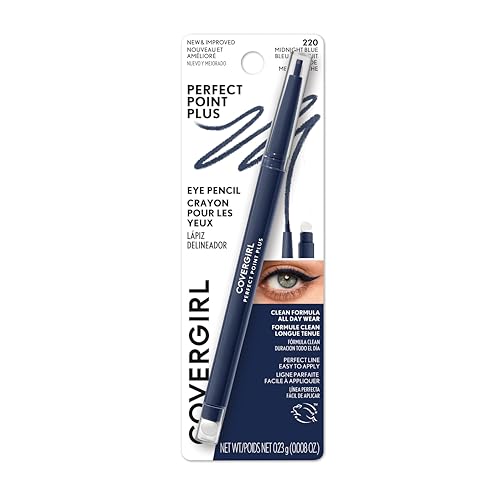
EYELINER PERFECTION: Versatile eye pencil helps create your perfect eyeliner look

Contains one COVERGIRL Perfect Point PLUS Eyeliner Pencil in Black Onyx color with a blending tip; This self sharpening eyeliner pencil gives precisely perfect lines each time, or soft blend for a smokey look; Pair with COVERGIRL mascara for a bold look

9. Retro Winged Eyeliner
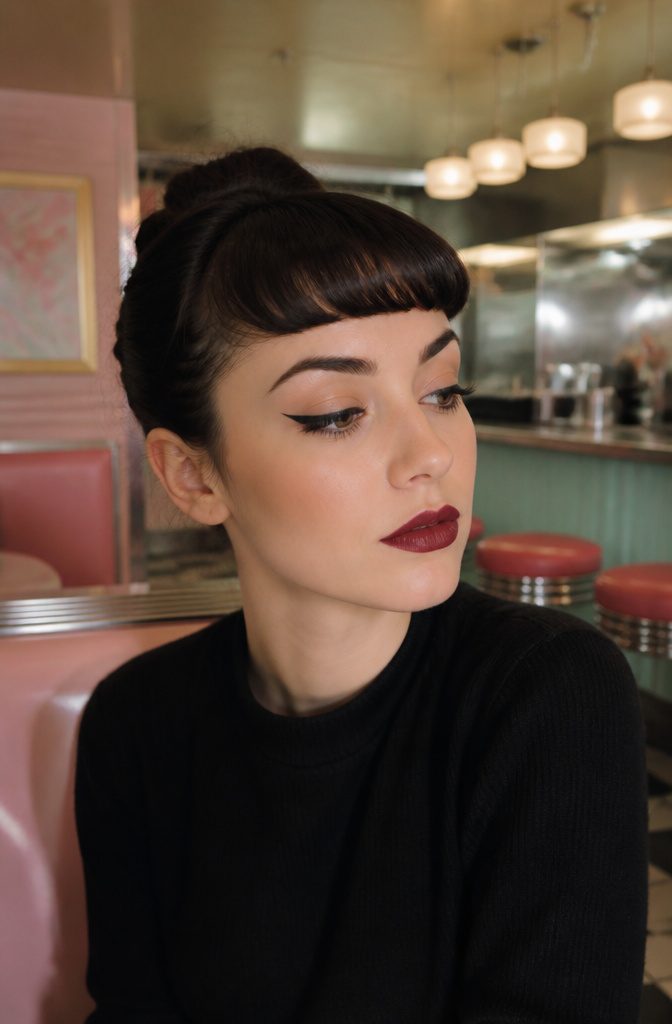
The vintage wing sits heavier on the lid than the flicked-out styles that have dominated the last decade.
Its weight comes from a thicker band of pigment that tapers at a sharp, almost architectural angle rather than curving upward in that soft Instagram swoop.
Dark makeup supports this shape because the density reads as intentional structure, not an accident of heavy application.
I started wearing this shape after noticing how a black cashmere turtleneck and tailored trousers suddenly looked finished instead of underdressed.
The line carries enough formality for client dinners or a last-minute gallery opening, yet it pairs with a vintage denim jacket without tipping into costume territory.
The trick is keeping the rest of the face quiet: a sheer skin tint, maybe a muted lip, so the eye reads as the single deliberate choice rather than one element in an overloaded look.

creates a wide range of eye looks with longwear 2-in-1 liquid & gel pencil eyeliner

SWIPE-N-LINE DUAL ENDED CREAM EYESHADOW & EYELINER: This smokey set includes a shimmery gray eyeshadow and charcoal liner
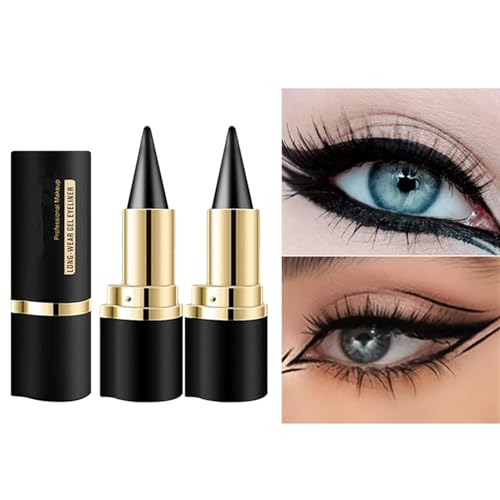
【Multifunctional Use】Perfect as eyeliner, eye shadow, lip liner, or face paint stick—ideal for creating precise lines, smokey eyes, or bold Halloween makeup looks. This Multi-Use eyeliner set can give you a different sense of use.
10. Graphic Shapes
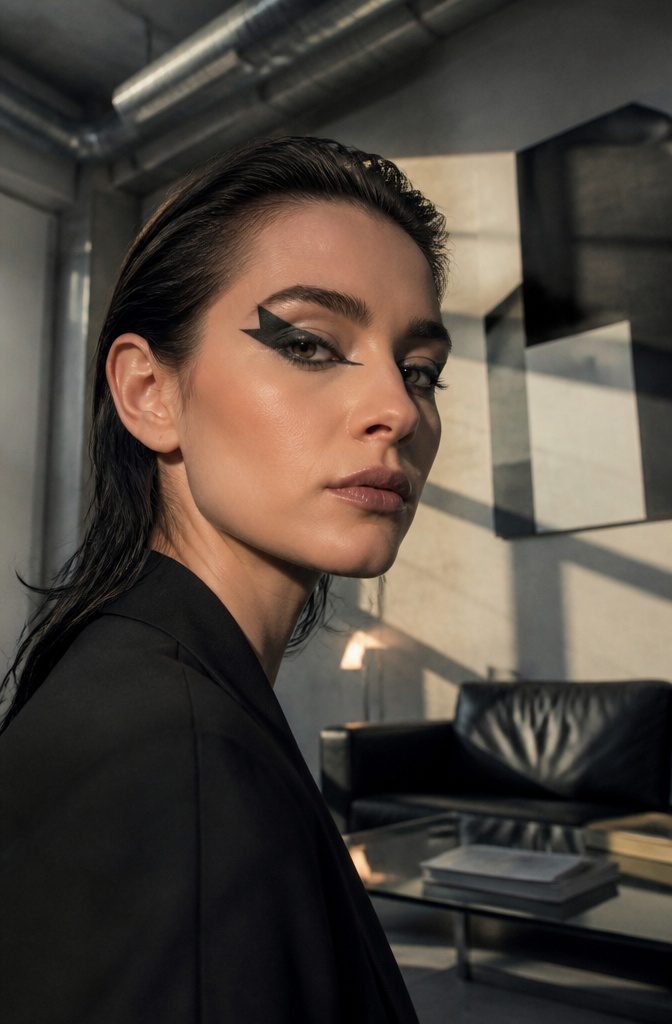
Geometric shapes drawn in deep pigment turn the eye into architecture.
A sharp triangle floating at the outer corner, or a rectangle of negative space carved through a solid black lid, reads as editorial because it refuses to follow the bone structure.
The skin left bare becomes as intentional as the pigment laid down.
The confidence gap is real.
Inside a studio, these shapes flatten beautifully under controlled light. Under fluorescent Target lights or at a 7 a.m. coffee run, the same lines can feel like a costume you are wearing rather than a choice you made.
Start with a single angular flick at the outer corner and let the shape grow over weeks, not hours. A gel pencil set with matching powder gives you the control to build an edge that does not soften by lunch.
The upkeep is the hidden cost. A traditional smoky eye forgives a little migration.
A graphic shape does not. You will need to check it, probably more than once.

【Rich Pigment & Versatile Shades】Featuring an array of multi vivid shades including black, white, brown, purple, green, and beige, this pressed powder eyeshadow palette is designed for crafting stunning eye makeup looks that range from subtle to bold. Each shade is highly pigmented for impactful color that draws attention


【Smoky Purple Color for Mature Beauty】A chic blend of dark purple and brown, this sophisticated eyeshadow flatters mature skin and enhances green or hazel eyes. It adds subtle depth and elegance without harshness—perfect for refined everyday makeup
11. Sharp Inner Corners
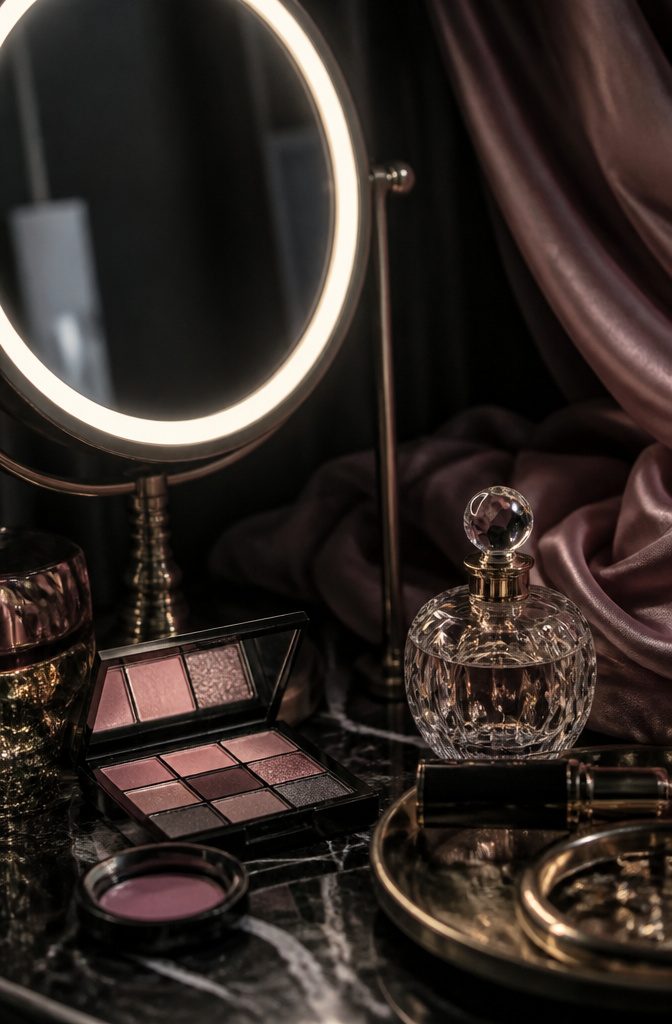
Precision at the inner corner is what separates a crowded dark eye from a clean one.
I reached for Baroque from ABOUT-FACE BY HALSEY’s Shadow Stick Duo two months back after watching yet another smoky eye collapse at the tear duct, and the difference was immediate: that pale rose shade pulled the whole shape forward, giving the darkness somewhere to recede against.
The geometry changes because the eye now reads as two defined points connected by shadow rather than one muddy mass.
For a sharper alternative, drawing the liner past the inner corner itself, the way black liquid layers over smudged shadow, forces the same recalibration.
Short strokes with something like GERARD COSMETICS’ Eternal Eyeliner in Noir keep the line from feathering where the skin creases most. Either route works, but skipping this step leaves even expensive shadow looking accidental.
12. V-Shaped Smoky Eye
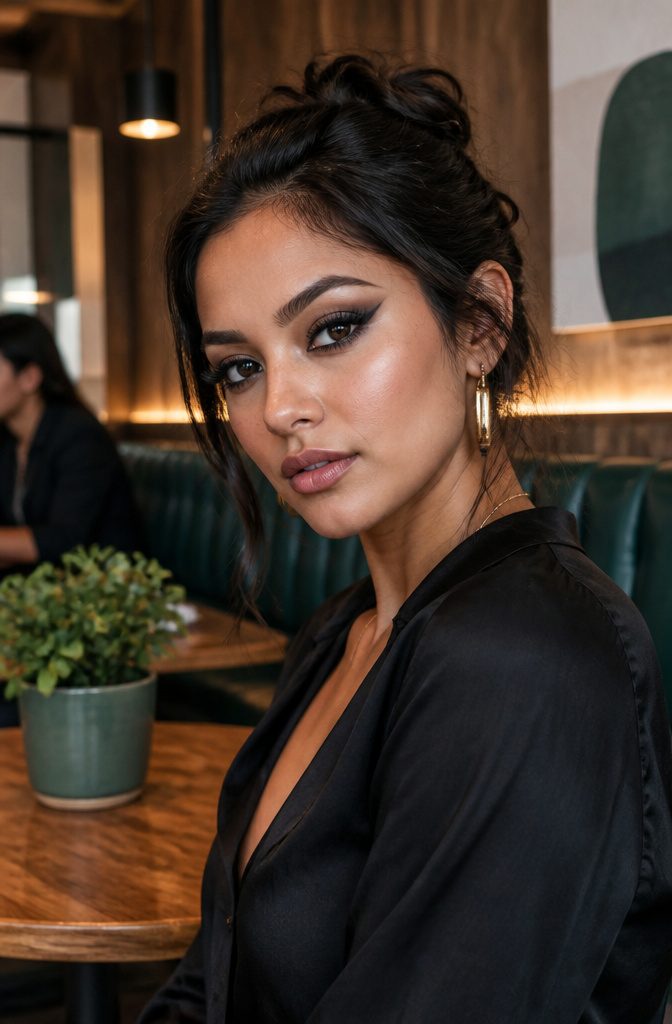
Drawing the shadow downward and outward at the outer corner rather than sweeping it up changes everything about how the eye sits on the face.
The technique pulls focus toward the temple and cheekbone instead of lifting toward the brow, which shortens the visible eye height and adds horizontal width.
That downward V can make almond-shaped eyes look more elongated and dramatic, the way a metallic smoky eye does when depth clusters at the outer corners and drags into that sharp angle.
Face shapes matter here more than most smoky styles admit. The downward pull adds visual weight to the lower half of the eye area, so it flatters longer faces that can handle the extra width without looking stretched.
Rounder or softer faces may find the technique fights against natural structure, since the shadow emphasizes horizontal spread where there is already plenty.
Heart-shaped faces with narrower chins get an interesting balance from it, the widened eye area balancing a pointed jawline.
The dark feminine trend leans into exactly this kind of eye shaping: dark, sexy, powerful, with the smoky present but never blanketing the entire lid.
Keep the depth concentrated at that outer V and leave the center lid lighter so the eye does not disappear into a single dark pool.
13. Smoky Under Eyes
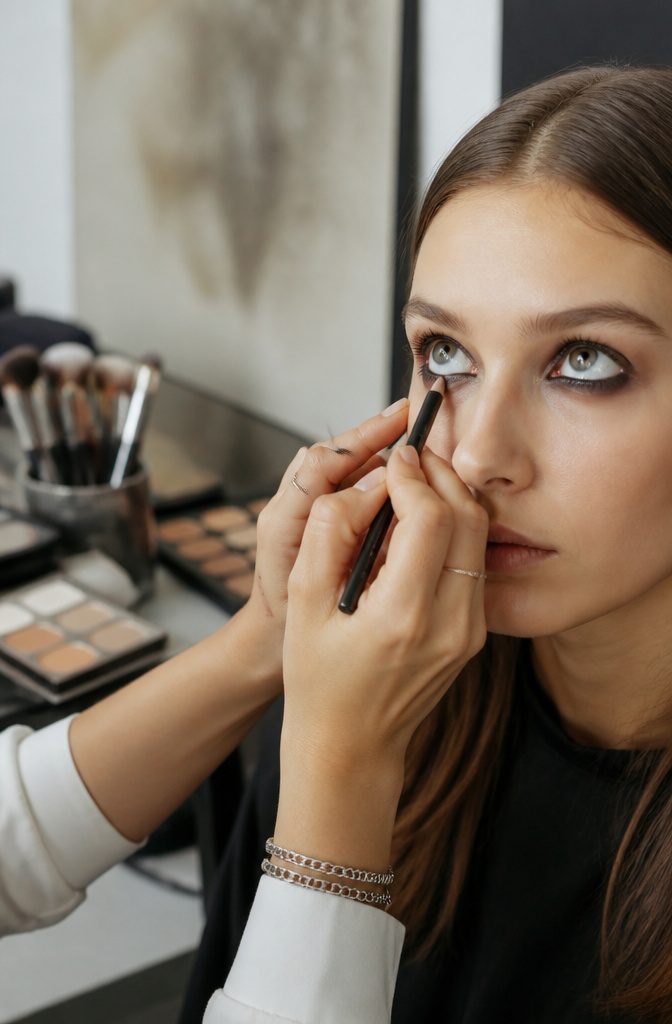
Darkness on the lower lash line turns the usual smoky eye inside out.
The risk is real: shadow concentrated there reads as fatigue unless the edges are deliberately softened. What saves the look is the contrast between the smoked-out bottom and the almost bare lid above.
Cara Delevingne has worn the balance well, keeping the top minimal with just a touch of black liner while the real drama sits below.
The shadow must be blended outward and downward, not hugging the lash line like a leftover smudge from last night.
Falsies on top, specifically Tarte tarteist PRO cruelty-free lashes, add the vertical lift that stops the eye from looking weighed down. Without that lift above, the whole face sags in sympathy with the darkness.
14. Hazy Gaze
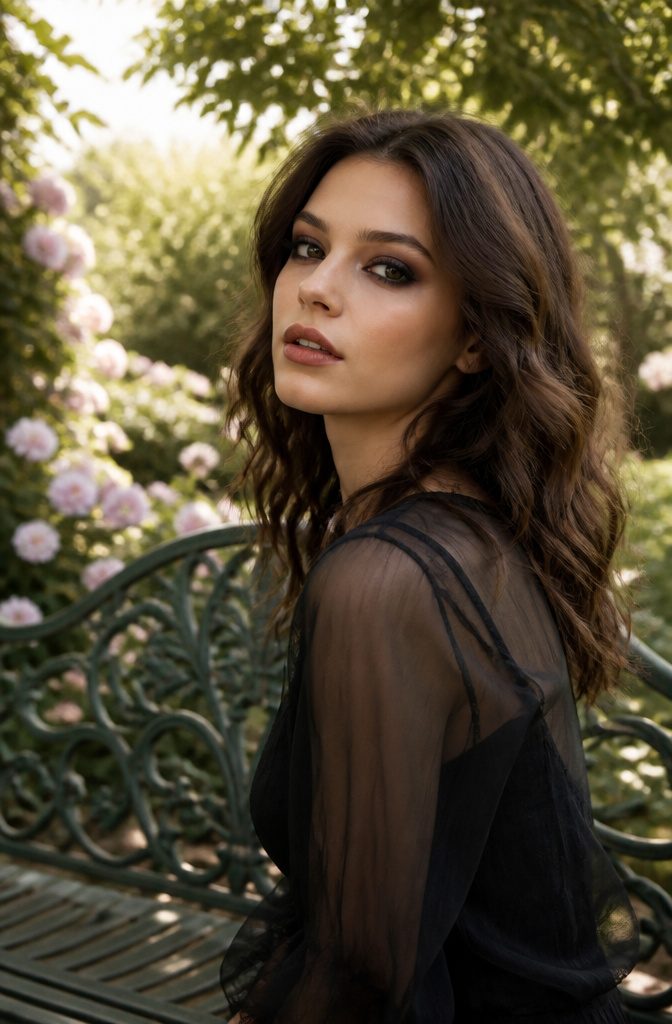
The hazy gaze is what happens when diffused application replaces hard edges entirely, not after the fact but during the pigment’s first contact with skin.
I spent months confusing this with intentional smudging, which is a correction technique: lay down a sharp line, then soften it with a tool.
The hazy approach works in reverse. Pigment goes on already scattered.
A densely packed brush, almost velvety at the tip, deposits shadow in a controlled cloud rather than a stroke. I favor a flat synthetic with a rounded crown, the kind meant for concealer but repurposed for cream shadow.
The fibers hold enough product to release gradually, so the darkest point sits where you first touch down and feather outward from there without a separate blending step.
Cream formulas behave better than powder here; they grip the skin and stay movable long enough to judge the spread, whereas loose pigment drifts past the intended boundary and reads as mistake rather than atmosphere.
The difference is visible in the socket. A smudged smoky eye keeps a structure you could trace with a fingertip: lashline density, a hollow, a fade.
The hazy version offers no landmarks. The color simply thickens and thins, more weather than architecture.
What convinced me, reading through a dozen tutorials, is that the tool does the decision-making. Your hand stays still; the brush head does the moving, bouncing lightly at the edge until the pigment thins to skin.
It demands a lighter touch than I expected, and the first few attempts went too dark in the center, too abrupt at the rim.
The fix was less product on the brush, more passes, building the haze in translucent layers rather than correcting a heavy one.
15. Striking Lines
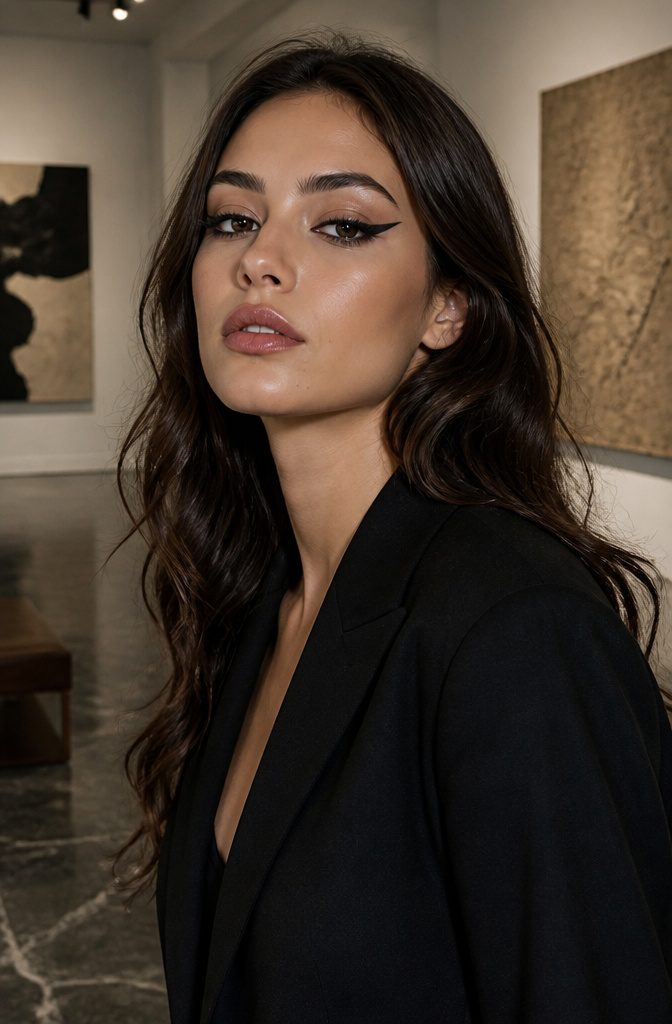
A single dark line across the lid carries more weight than a full smoky blend when the line itself is the architecture.
Graphic liner in dark make up looks works because the eye reads the negative space as intentional, not unfinished.
The contrast between bare skin and a sharp stroke of black or deep plum creates a tension that blended shadow simply doesn’t achieve.
Precision matters more than pigment load here. One pass with a liquid or gel formula, allowed to set without building, keeps the edge crisp.
The minimalism reads as confidence: you chose exactly this much darkness and no more. For evening, a slightly thicker stroke at the outer corner, flicked upward at a 45-degree angle, gives the lift of a cat-eye without the retro baggage.
For day, a thin line hugging the upper lashes, extended just a millimeter past the corner, adds definition without closing the eye.
The common mistake is treating liner as a frame for shadow that never arrives. Leave the lid clean, the brow bone matte, and let the line do all the talking.
A touch of mascara keeps the balance from tipping too stark, but skip the lower lash line entirely. The asymmetry of darkness only above feels modern, not half-done.
16. Two-Tone Liner
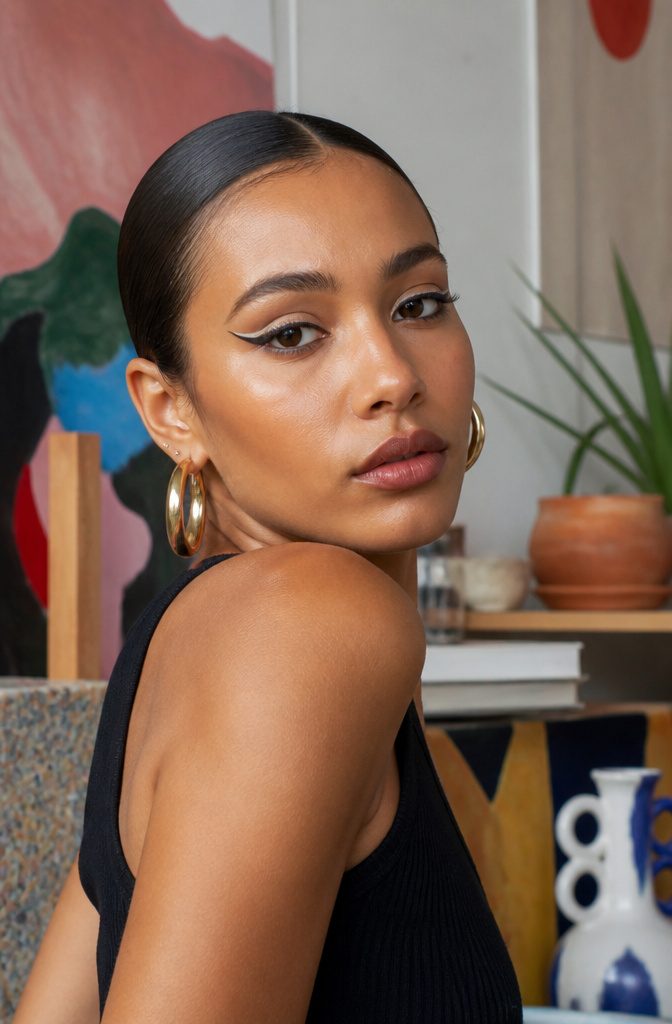
Two-tone liner reads as intentional only when the two shades stay in their own lanes. A matte black gel against a satin navy pencil, for instance, will collapse into one muddy stripe by noon.
What works is a hard texture contrast paired with a visible color gap: a powder shadow wing layered over a liquid line, or a smudged charcoal base with a razor-thin plum line pressed on top.
The eye processes them as separate because they catch light differently.
Placement matters more than pigment intensity. Running both tones along the full lash line turns into a single dark band in most lighting.
Instead, keep the deeper shade tight to the lashes and let the second tone float just above it in a shorter stroke, or reverse them with the lighter shade on the waterline and the darker one hugging the lower lashes.
The negative space between them does the work of definition.
For a look that actually lasts, set cream textures with a matching powder before adding the second layer.
The powder grabs the next product instead of letting it skate across oil-prone lids. Skip metallic finishes here: they compete for attention rather than creating dimension, and by 3 p.m. the shimmer has migrated to places you didn’t plan.
17. Ombré Effect
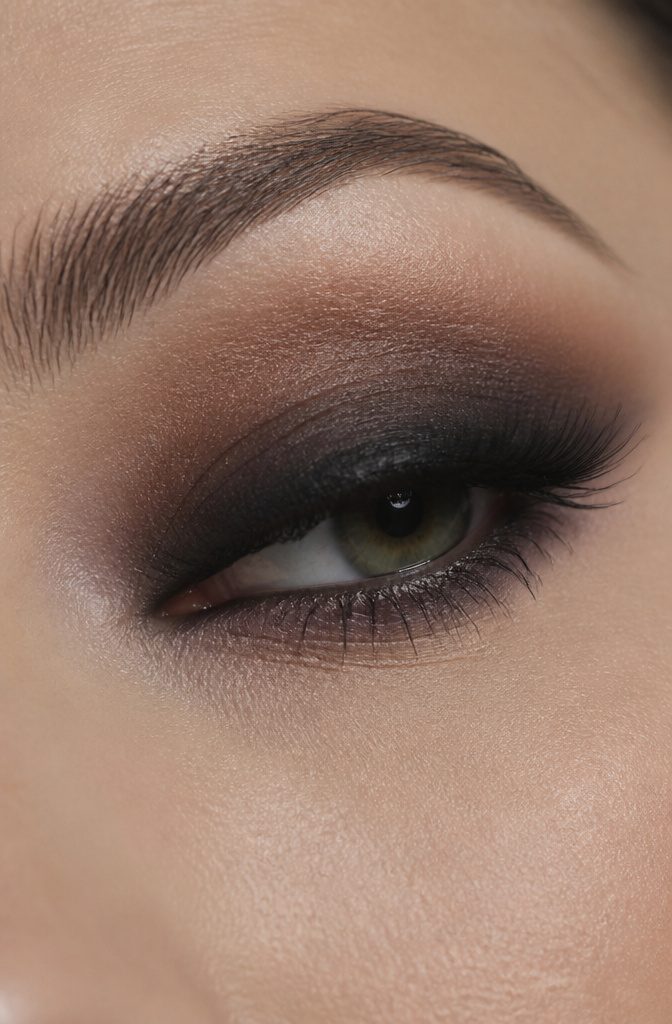
A true ombré eye keeps its color zones deliberate, unlike a smoky eye where everything diffuses together.
The gradient moves either upward from the lash line to the brow bone or outward from the inner corner to the tail, and the line between each shade must stay visible even as you soften it.
The patience shows up in the building. You lay down the darkest pigment first, then work the next tone just above or beside it with a clean brush, repeating until the transition reads as gradual rather than muddy.
Rush it and the colors collapse into one flat tone.
I find the inner-to-outer version more forgiving on hooded lids because the depth stays at the outer third where the eye naturally recedes.
The vertical version, lash line to brow, demands more real estate; if your brow sits low, the fade compresses and reads as bruised rather than architectural.
18. Statement Shadow
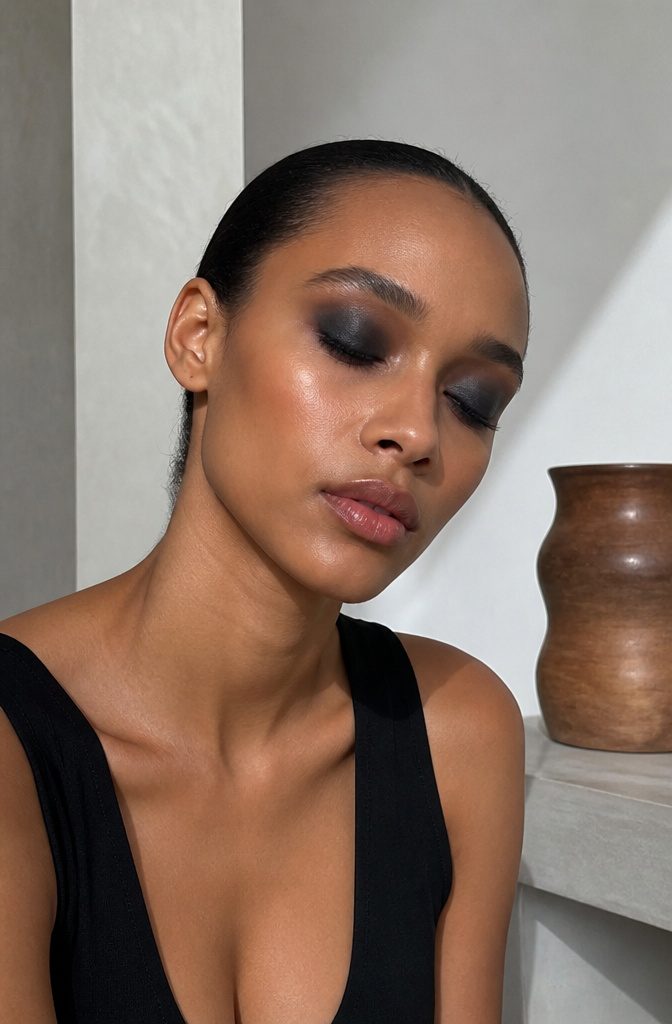
A single dark shade swept across the entire lid, stopping cleanly at the crease, reads more editorial than a smoky blend ever could.
I kept waiting for it to feel unfinished the first time I tried it, but the lack of transition to a lighter tone is exactly what makes it arresting.
Depth comes from the pigment itself, not from shadow layered over shadow.
Not every dark color can carry a look alone. Deep burgundy, forest green, and navy hold their structure without turning muddy.
Black can work, though it flattens out on most skin tones unless the formula has some hidden shimmer or a very specific undertone, cool or warm, that matches yours.
Purple, in my experience, is the most forgiving; it photographs true to pan and rarely reads bruised the way it can when blended out.
The application is almost suspiciously simple. Pack the color on with a flat brush, pat rather than swipe to keep the edge opaque, and stop.
A bare crease keeps the shape modern. Add mascara, and the look holds together for an evening without the maintenance a smoky eye demands.
19. Heavy Metal
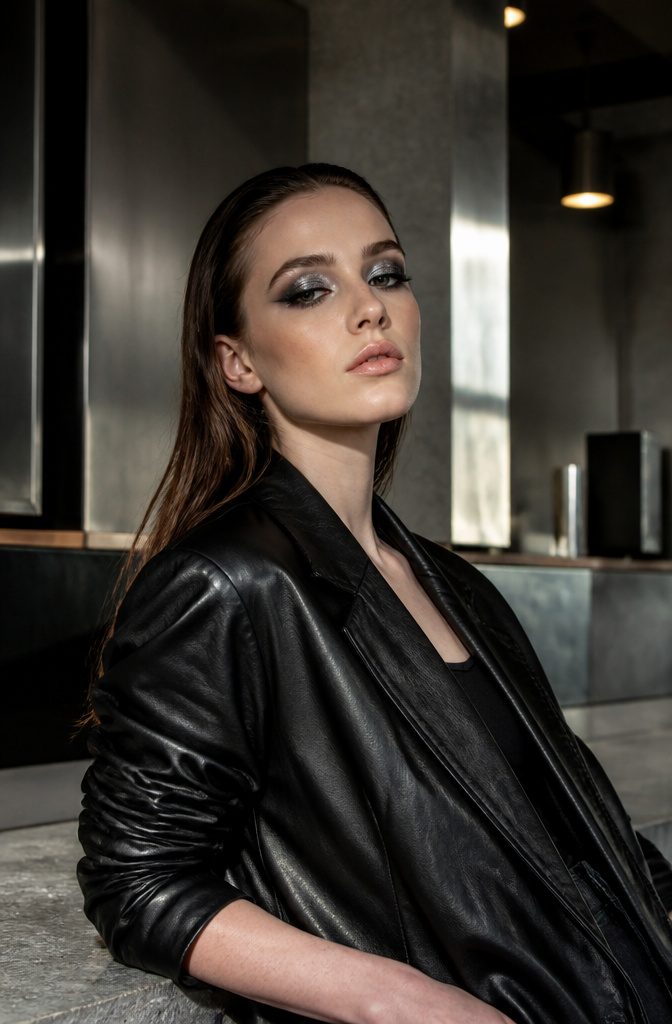
A matte black shadow absorbs every scrap of light and can look like a bruise by noon, but the same depth with a metallic or foil finish turns into something that catches when you turn your head.
The shimmer particles act like tiny mirrors: they redirect light instead of drinking it, so the darkness reads as depth and drama rather than a flat, heavy lid.
The texture matters more than the color here.
Pressed foils and cream-to-powder metallics give that molten, almost wet look without the grit of traditional glitter. Loose pigment mixed with a damp brush lays down like liquid metal and stays where you put it.
What you want to skip is anything labeled "glitter" in the craft-store sense: hexagonal chunks, obvious fallout, formulas that feel like sanding between your fingers. Those read costume, not editorial.
I press the metallic onto the center of the lid with a finger, where body heat melts it into the base, then blend the edges with a dry brush so the dark doesn’t stop abruptly.
The contrast between the reflective center and the deeper outer corner is what makes the whole thing feel expensive, even if the palette cost fifteen dollars.
20. Touch of Metallic
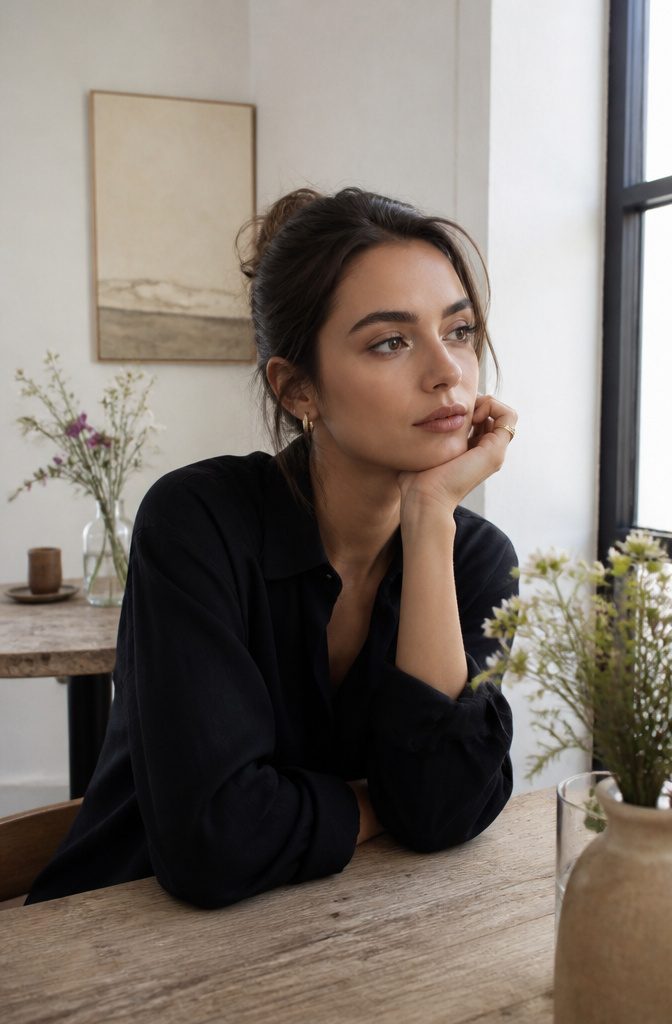
The mistake most people make with metallic in a dark eye is treating it like a second color instead of a light source.
A full lid of shimmer kills the depth that makes dark makeup look expensive; it flattens everything into one reflective plane and reads costume, not cool.
What works is a pinpoint placement: a grain-of-rice dot pressed onto the center of the lid with a finger, or the tiniest tap of warm gold right at the inner corner where the tear duct catches real light.
Megan Thee Stallion’s version pairs both spots, but most faces need only one. The JECCA BLAC Play Pots in Gold Touch are built for this, creamy enough to pat on and sheer out to nothing at the edges.
Dark feminine makeup draws its power from shape and restraint, not coverage. That same logic applies to shine.
A smoky wing elongates the eye because the shadow stays present but stops short of the brow; metallic should behave the same way, suggesting dimension without claiming territory. Finger application wins here, brushes tend to spread pigment wider than intended.
I start with less than I think I need, step back from the mirror, and add only if the light fails to find the eye on its own. Most mornings, that first small amount is the whole story.
Frequently Asked Questions
What is dark feminine makeup?
Dark feminine makeup centers on deep colors and rich tones like smoke, onyx, burgundy, and plum to create a sultry, powerful look.
It draws from ’90s style with smoky eyes, defined lips, and contour, plus flushed cheeks to keep the overall effect balanced rather than harsh. The trend applies to the full face, not just eyes and lips.
How to do dark feminine makeup?
Start with a smoky eye effect using black liner, then add wine-colored lipstick and flushed cheeks for balance.
The eyes should read dark and sexy without overpowering the face; a kitten eye or soft smudge keeps the look wearable. Pair defined lips with contour so no single feature dominates.
How can I pull off dark lipstick shades?
Keep the eyes simple and scaled back when wearing a dark lip so the face never feels like a mask.
A kitten eye that stays close to the lash line, or minimal liner with mascara, leaves room for bold color at the mouth. The proportion between the two is what makes the look intentional rather than costume-like.